Bread VS Cooked Pasta
A detailed nutritional comparison
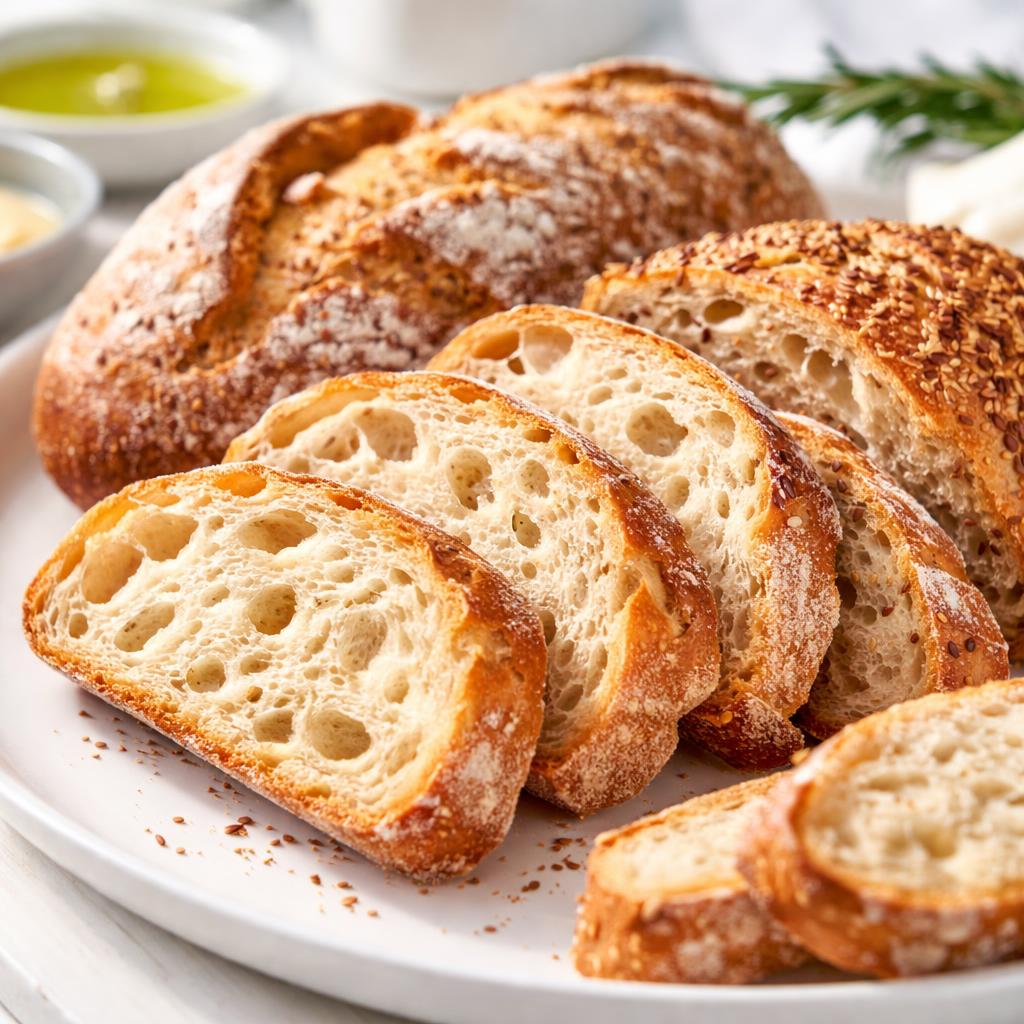
Bread
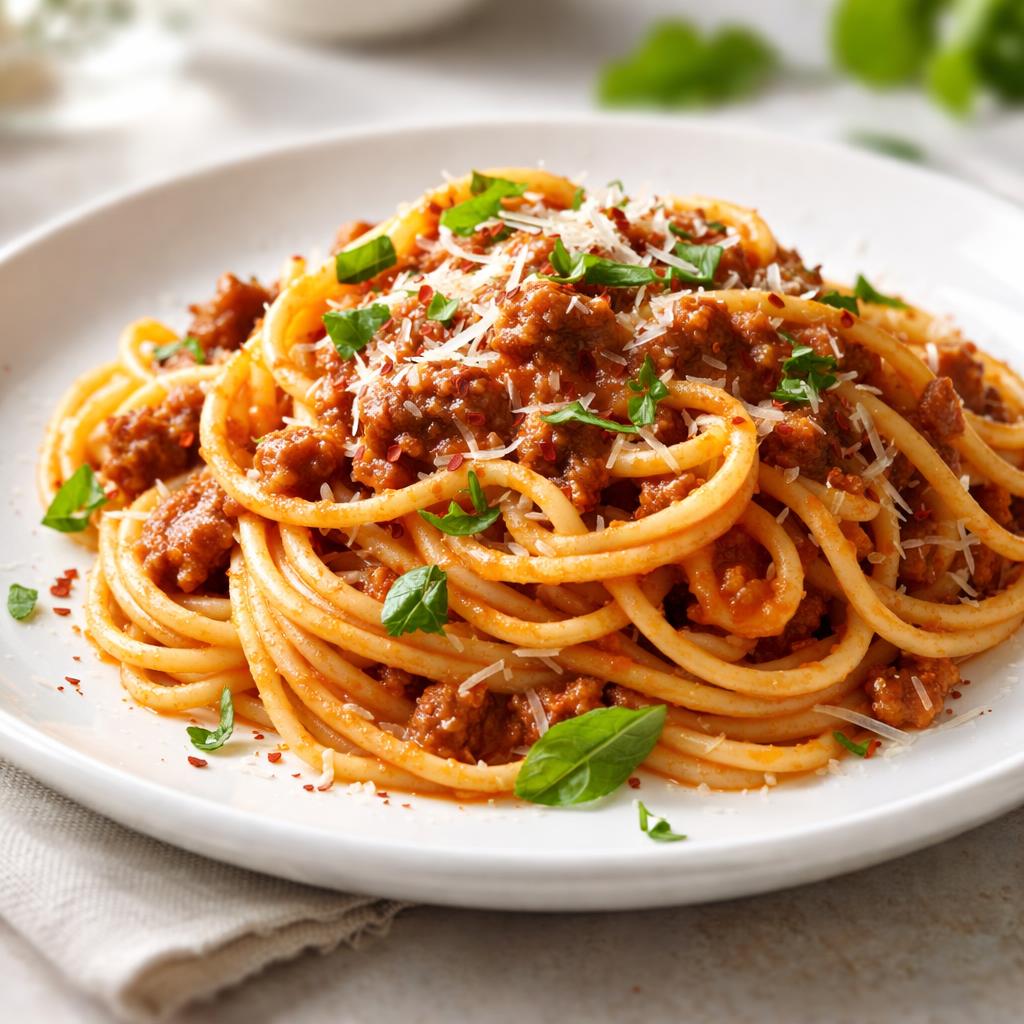
Cooked Pasta
🎯 Quick Verdict
Bread and cooked pasta are both carbohydrate-rich staples but differ in their nutritional composition. Bread tends to have higher protein and fiber content per serving, while pasta provides slightly more calories and is lower in fiber. Bread is better for quick meals and weight management, while pasta excels in energy sustainment during physically intensive activities.

Smart Nutrition Tracking with SnapCalorie

📊 Nutritional Comparison
Macronutrients
| Nutrient | Food 1 | Food 2 | Winner |
|---|---|---|---|
| Calories | 110 | 157 | ✓ |
| Protein | 4g | 3g | ✓ |
| Carbs | 20g | 31g | ✓ |
| Fat | 1g | 0.9g | − |
| Fiber | 1.8g | 0.9g | ✓ |
Vitamins & Minerals
| Nutrient | Food 1 | Food 2 | Winner |
|---|---|---|---|
| Vitamin D | 0mcg | 0mcg | − |
| Calcium | 50mg | 7mg | ✓ |
| Iron | 1mg | 0.2mg | ✓ |
🏆 Category Winners
Protein
Bread contains 33% more protein per serving compared to cooked pasta.
Fiber
Bread has double the fiber content per serving.
Calories
Bread has about 30% fewer calories than cooked pasta per serving.
Vitamins
Bread has higher levels of calcium and iron compared to cooked pasta.
🥗 Diet Compatibility
Keto
Food 1: Not Compatible
Food 2: Not Compatible
Both are high in carbohydrates and not suitable for a ketogenic diet.
Vegan
Food 1: Compatible
Food 2: Compatible
Both foods are plant-based and naturally vegan.
Gluten Free
Food 1: Not Compatible
Food 2: Not Compatible
Both contain gluten unless using special gluten-free varieties.
Paleo
Food 1: Not Compatible
Food 2: Not Compatible
Neither item fits the paleo diet due to their grain content.
Low-Carb
Food 1: Not Compatible
Food 2: Not Compatible
Both foods are high in carbohydrates and unsuitable for low-carb diets.
💪 Health Benefits Comparison
Food 1 Benefits
- Higher protein for muscle management and satiety
- Rich in fiber, aiding digestion and gut health
- Contains calcium and iron for bone and blood health
Food 2 Benefits
- Provides sustained energy due to a higher carb content
- Low in fat, making it versatile for lighter meals
- Suitable for pre- or post-workout meals to replenish glycogen stores
✅ The Bottom Line
Bread and cooked pasta serve different purposes depending on dietary goals. Bread is lighter and offers more protein and fiber, making it ideal for weight loss and quick meals. Pasta, on the other hand, provides more sustained energy and is best for athletes or those needing to fuel physical activity.
Choose Food 1 for: Weight management, quick meals, high-fiber diets
Choose Food 2 for: Energy sustainment, athletes, nutrient replenishment


