Bread VS Ciabatta
A detailed nutritional comparison
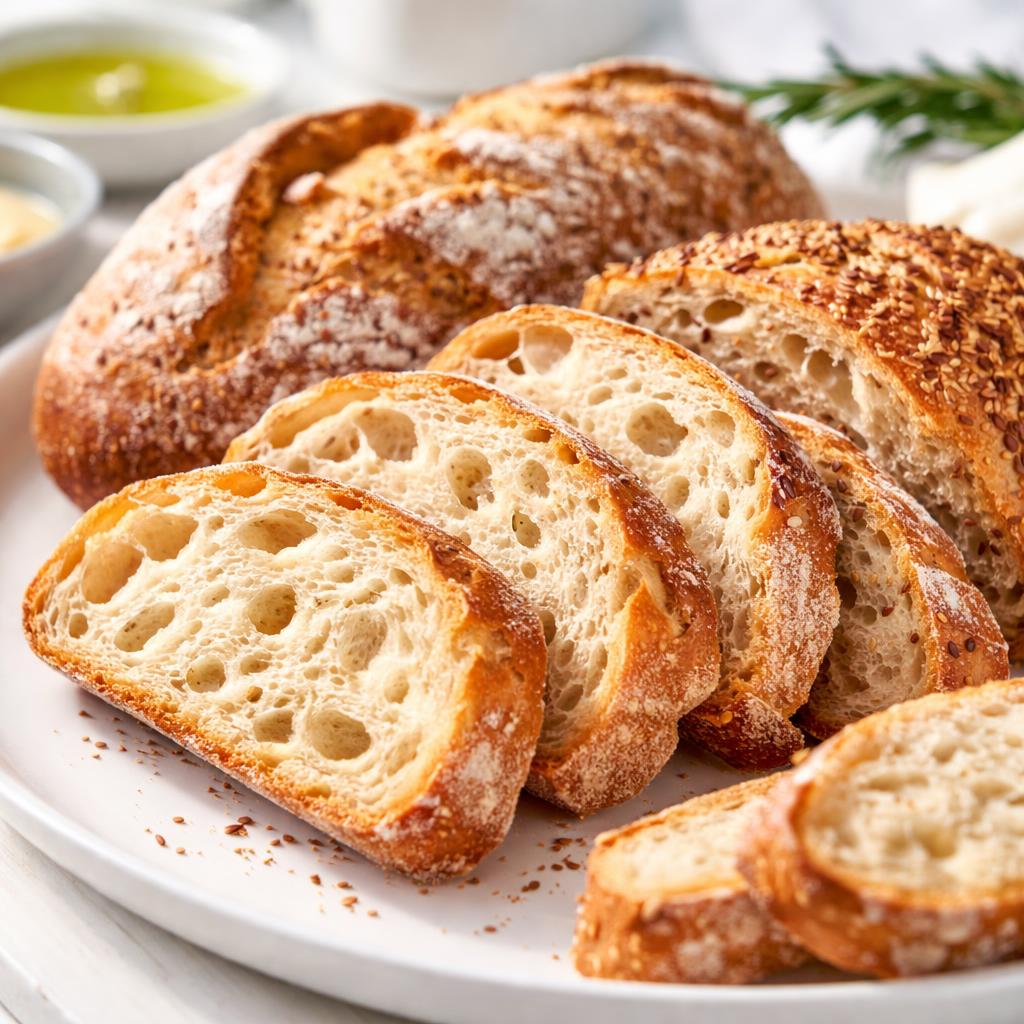
Bread
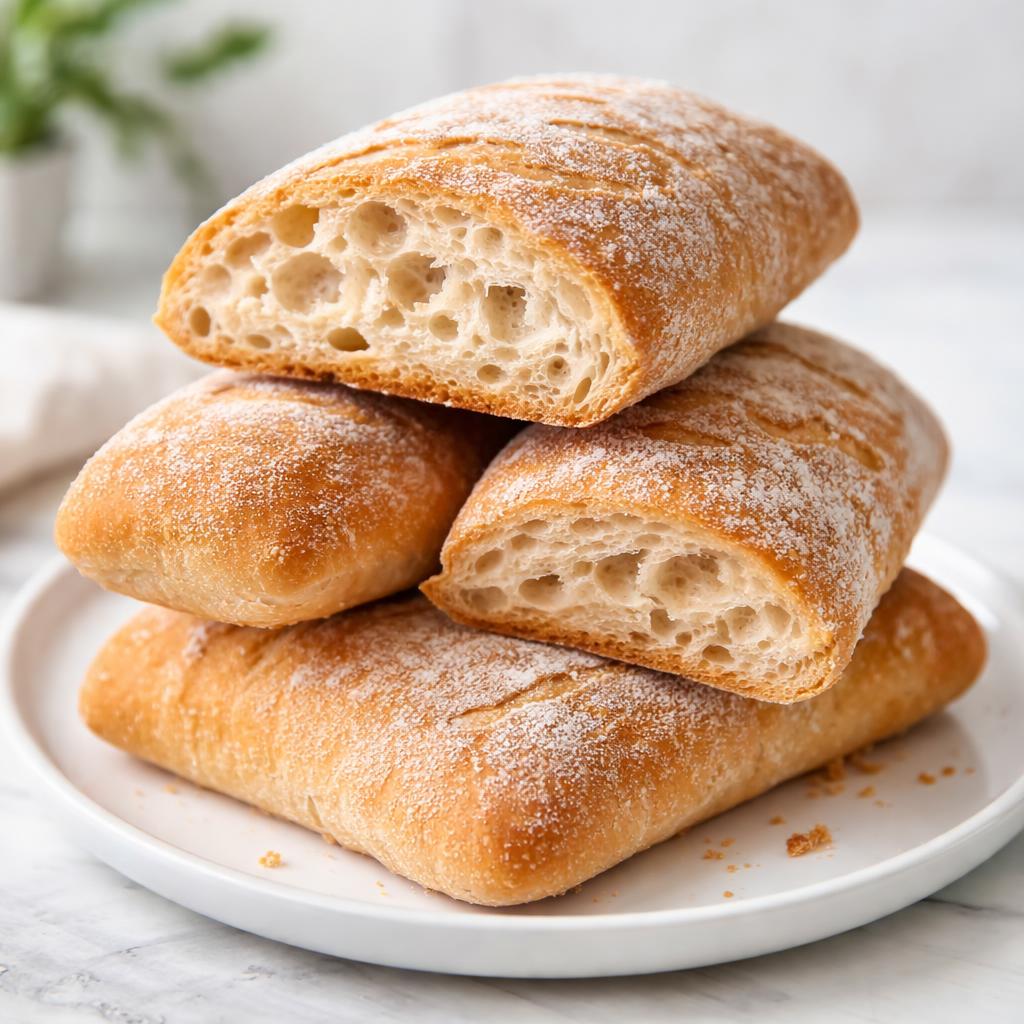
Ciabatta
🎯 Quick Verdict
Bread and ciabatta are fairly similar in nutritional profile, but bread generally has slightly fewer calories and more fiber, making it more suitable for weight management and digestive health. Ciabatta, on the other hand, often contains more carbohydrates and a fluffier texture, making it ideal for sandwiches or hearty meals. Both are comparable in protein content and suitable for similar dietary use cases.

Smart Nutrition Tracking with SnapCalorie

📊 Nutritional Comparison
Macronutrients
| Nutrient | Food 1 | Food 2 | Winner |
|---|---|---|---|
| Calories | 150 per slice | 190 per slice | ✓ |
| Protein | 5g | 5g | − |
| Carbs | 27g | 35g | ✓ |
| Fat | 1g | 2g | ✓ |
| Fiber | 2g | 1g | ✓ |
Vitamins & Minerals
| Nutrient | Food 1 | Food 2 | Winner |
|---|---|---|---|
| Vitamin D | 0mcg | 0mcg | − |
| Calcium | 100mg | 80mg | ✓ |
| Iron | 1mg | 1mg | − |
🏆 Category Winners
Protein
Both bread and ciabatta contain 5g of protein per serving.
Fiber
Bread contains twice as much fiber (2g vs 1g per serving).
Calories
Bread has fewer calories per serving compared to ciabatta (150 vs 190 calories).
🥗 Diet Compatibility
Keto
Food 1: Not Compatible
Food 2: Not Compatible
Both are high in carbohydrates.
Vegan
Food 1: Compatible
Food 2: Compatible
Standard recipes of both foods are plant-based.
Gluten Free
Food 1: Not Compatible
Food 2: Not Compatible
Both are traditionally made with gluten-containing wheat flour.
Paleo
Food 1: Not Compatible
Food 2: Not Compatible
Neither aligns with paleo's grain-free guidelines.
Low Carb
Food 1: Not Compatible
Food 2: Not Compatible
Both foods are high-carb staples.
💪 Health Benefits Comparison
Food 1 Benefits
- Lower calorie option for weight management
- Higher fiber content to support digestion
- Contains essential nutrients like iron and calcium
Food 2 Benefits
- Fluffier texture may provide more satiety
- Contains healthy carbohydrates for sustained energy
- Provides essential minerals like iron and calcium
✅ The Bottom Line
Bread and ciabatta are both versatile carb sources, but bread offers marginally fewer calories and higher fiber, making it better for weight management and digestive health. Ciabatta’s airy texture and higher carb content are ideal for energy-demanding activities or indulgent meals.
Choose Food 1 for: Weight management, fiber intake, everyday use
Choose Food 2 for: Hearty meals, energy boost, gourmet sandwiches


