Bread VS Chili
A detailed nutritional comparison
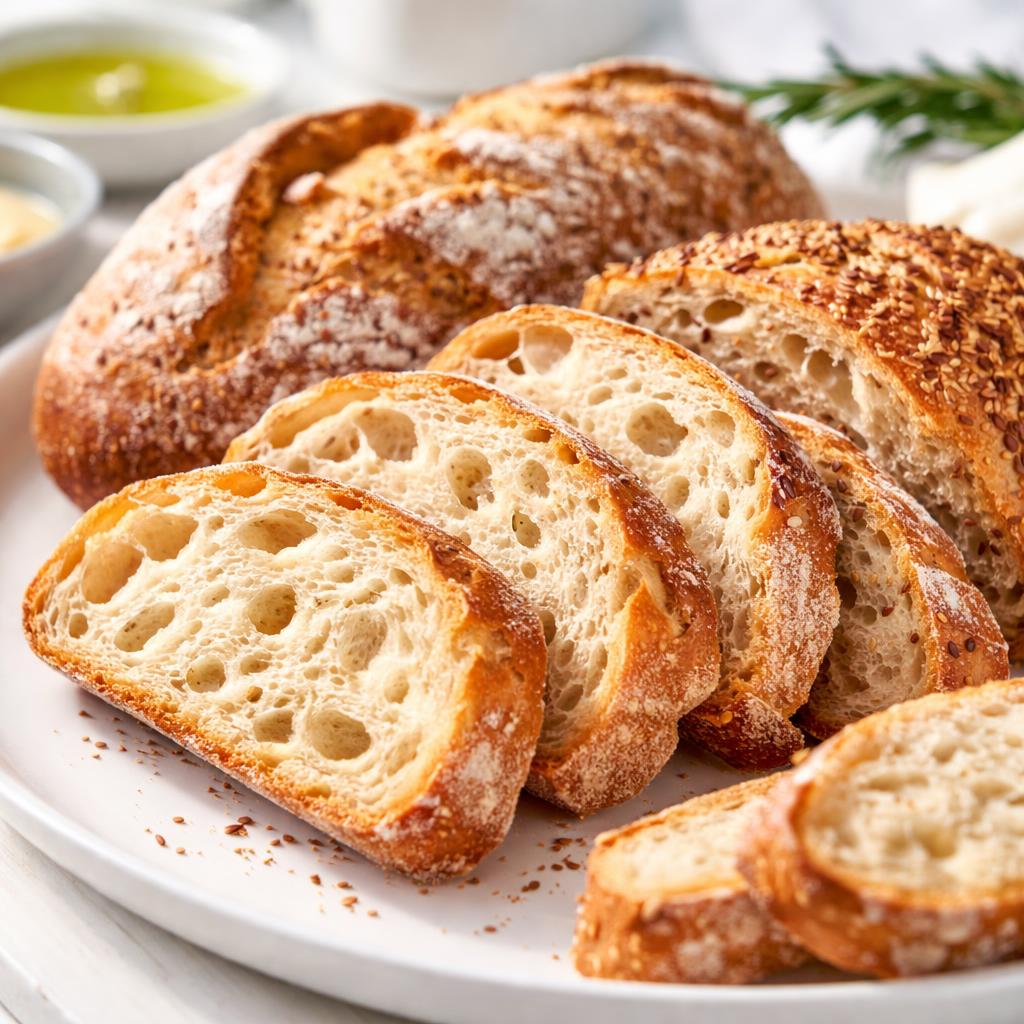
Bread
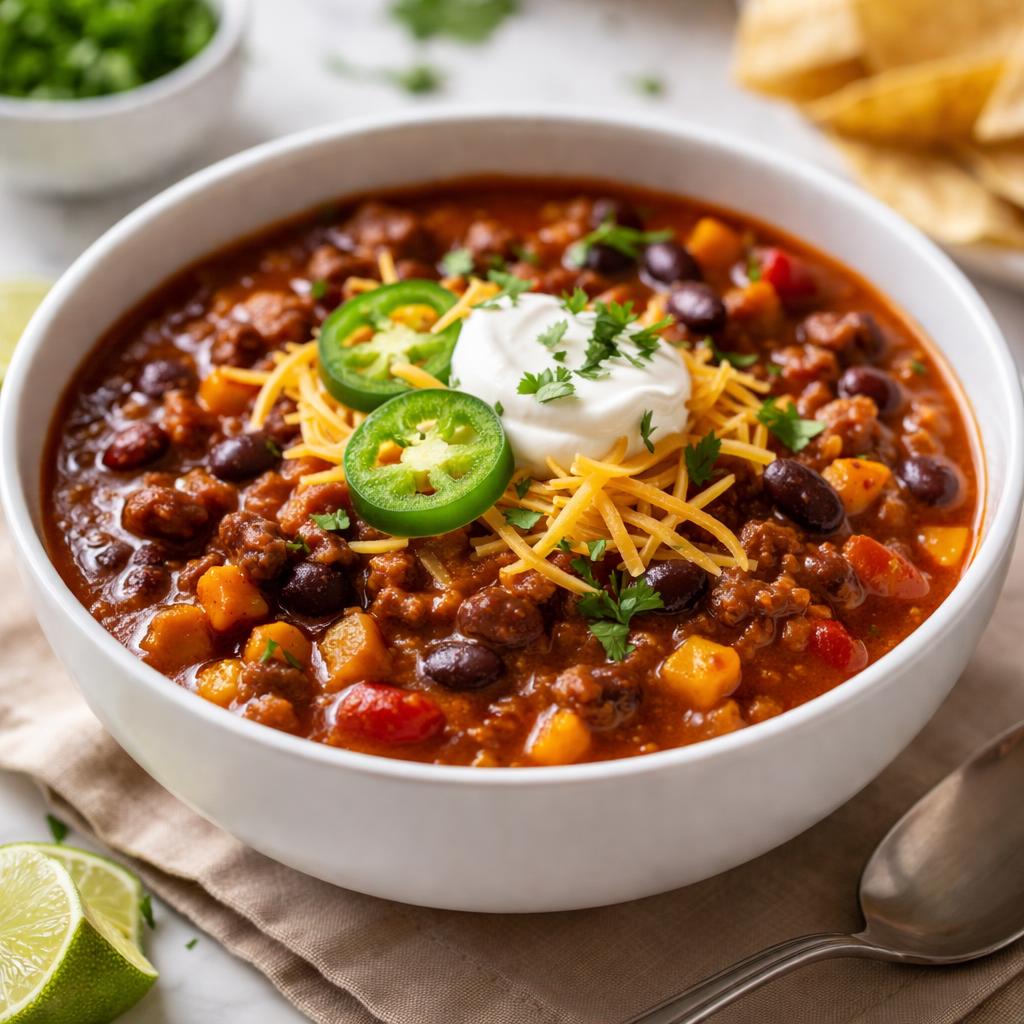
Chili
🎯 Quick Verdict
Chili outperforms bread in nutritional value as it provides more protein, fiber, and fewer calories per serving. Bread, however, is a versatile carbohydrate source but lacks significant micronutrient density. Chili is best suited for nutrient-dense meals, while bread is ideal for quick energy or as part of a balanced plate.

Smart Nutrition Tracking with SnapCalorie

📊 Nutritional Comparison
Macronutrients
| Nutrient | Food 1 | Food 2 | Winner |
|---|---|---|---|
| Calories | 265 (per 100g) | 150 (per 100g) | ✓ |
| Protein | 9g (per 100g) | 12g (per 100g) | ✓ |
| Carbs | 49g | 15g | ✓ |
| Fat | 3g | 6g | ✓ |
| Fiber | 2.4g | 5g | ✓ |
Vitamins & Minerals
| Nutrient | Food 1 | Food 2 | Winner |
|---|---|---|---|
| Vitamin D | 0mcg | 1mcg | ✓ |
| Calcium | 20mg | 120mg | ✓ |
| Iron | 2.4mg | 2.7mg | ✓ |
🏆 Category Winners
Protein
Chili has 33% more protein per serving, supporting muscle health.
Fiber
Chili provides double the fiber, aiding digestion and satiety.
Calories
Chili contains 43% fewer calories per serving.
🥗 Diet Compatibility
Keto
Food 1: Not Compatible
Food 2: Compatible
Chili is lower in carbs (15g vs 49g).
Vegan
Food 1: Compatible (if plant-based bread)
Food 2: Depends on recipe
Generally, chili requires vegan substitutions if meat is included.
Gluten Free
Food 1: Not Compatible
Food 2: Compatible
Bread commonly contains gluten, while chili does not.
Paleo
Food 1: Not Compatible
Food 2: Compatible (if recipe avoids beans)
Bread is not considered paleo; chili can be adjusted accordingly to align with paleo guidelines.
Low-Carb
Food 1: Not Compatible
Food 2: Compatible
Chili has lower carbs (15g vs 49g) and fits into low-carb diets.
💪 Health Benefits Comparison
Food 1 Benefits
- Quick energy source from carbohydrates
- Convenient and versatile for meals
- Provides iron for red blood cell health
Food 2 Benefits
- Rich in protein for muscle maintenance
- High fiber content supports digestion
- Contains antioxidants from vegetables and spices
✅ The Bottom Line
Choose chili when seeking a nutrient-dense, balanced meal with high protein and fiber and fewer calories. Bread is more appropriate for quick energy or as part of a meal with protein-rich toppings.
Choose Food 1 for: Quick energy boost, meal bases (e.g., sandwiches), convenience
Choose Food 2 for: High-protein diets, digestive health, weight management


