Bread VS Chicken Stew
A detailed nutritional comparison
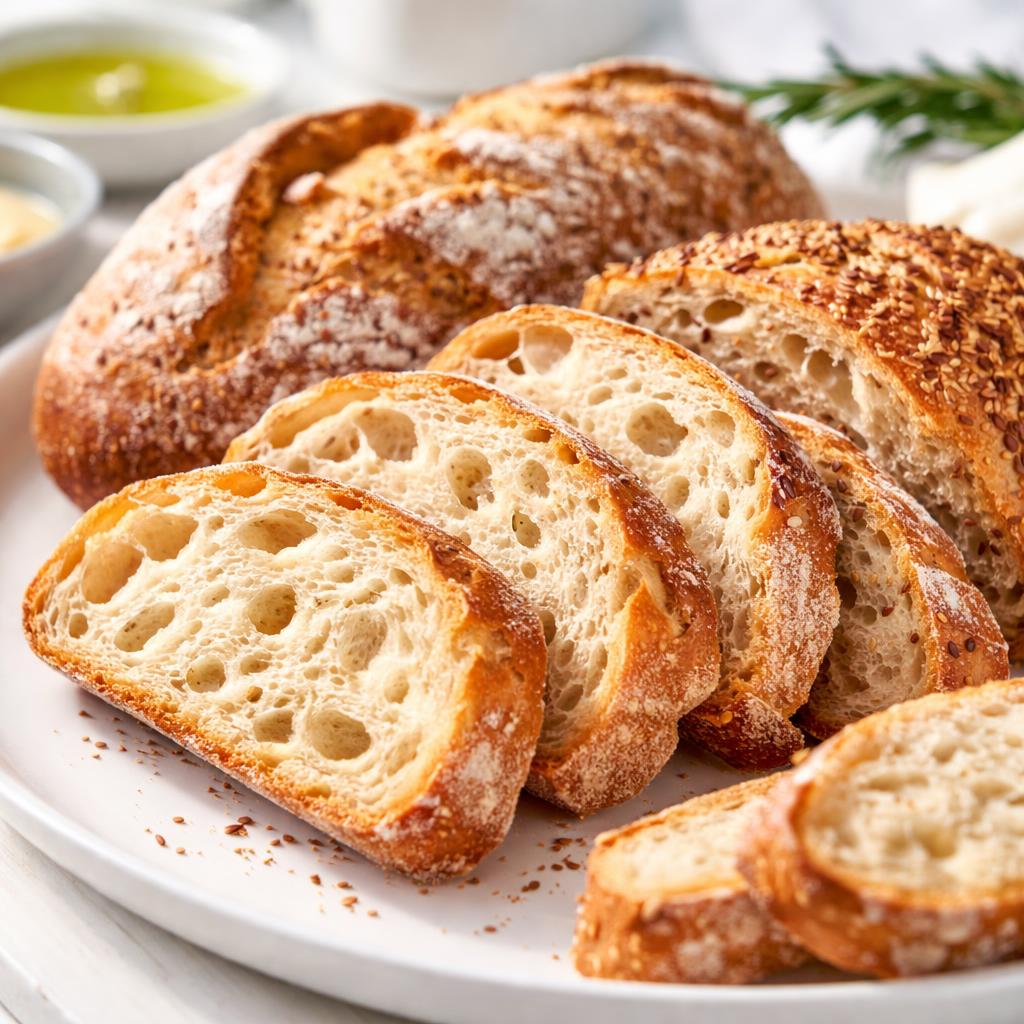
Bread
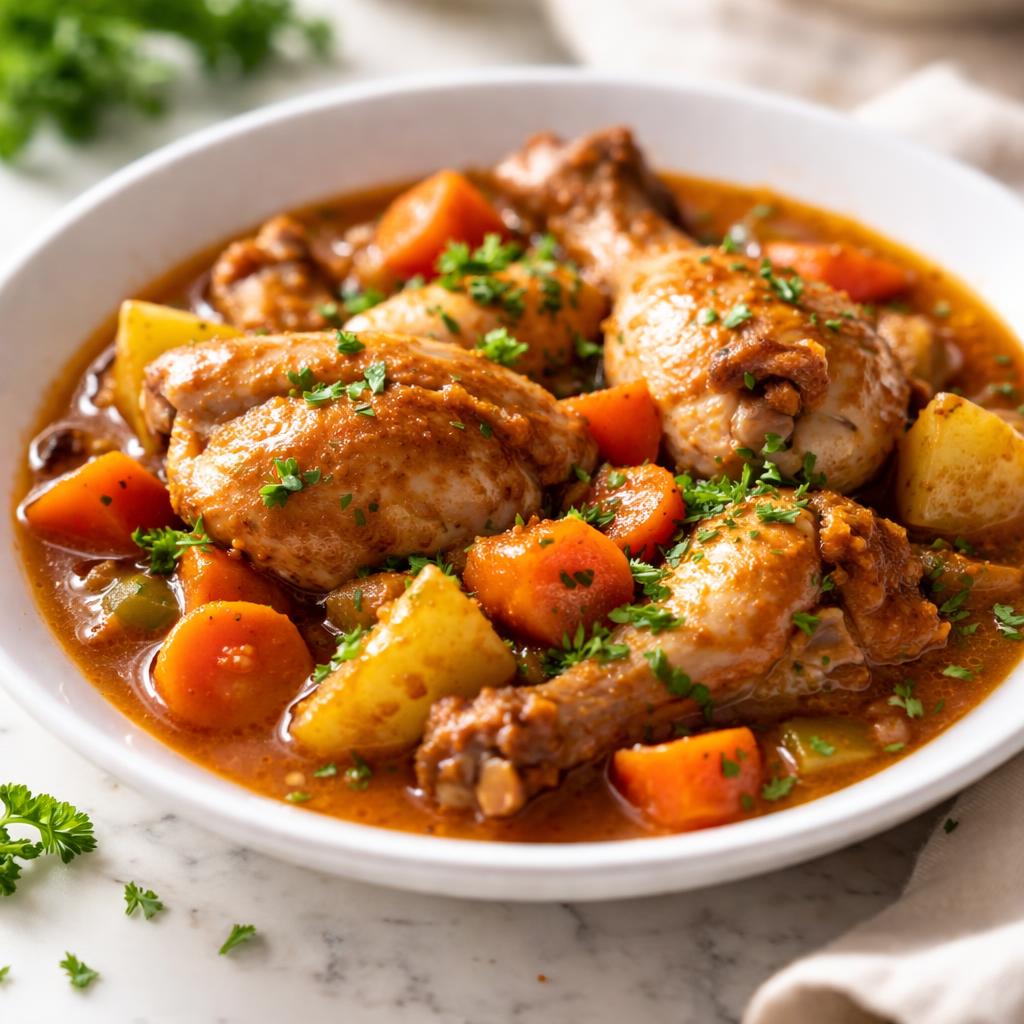
Chicken Stew
🎯 Quick Verdict
Chicken stew is a high-protein, nutrient-dense option, ideal for muscle building and recovery. Bread, on the other hand, is lower in calories and provides more fiber, making it suitable for quick energy and digestion support. Each excels in different dietary scenarios depending on specific needs.

Smart Nutrition Tracking with SnapCalorie

📊 Nutritional Comparison
Macronutrients
| Nutrient | Food 1 | Food 2 | Winner |
|---|---|---|---|
| Calories | 80 per slice | 250 per cup | ✓ |
| Protein | 2g per slice | 20g per cup | ✓ |
| Carbs | 15g per slice | 10g per cup | ✓ |
| Fat | 1g per slice | 10g per cup | ✓ |
| Fiber | 1g per slice | 0.5g per cup | ✓ |
Vitamins & Minerals
| Nutrient | Food 1 | Food 2 | Winner |
|---|---|---|---|
| Vitamin A | 0mcg | 500mcg | ✓ |
| Vitamin C | 0mg | 10mg | ✓ |
| Iron | 0.7mg per slice | 2mg per cup | ✓ |
🏆 Category Winners
Protein
Chicken stew delivers significantly more protein, suitable for muscle repair and maintenance.
Fiber
Bread offers twice the fiber compared to chicken stew per serving.
Calories
Bread is a lower-calorie option with less energy density per serving.
🥗 Diet Compatibility
Keto
Food 1: Not Compatible
Food 2: Compatible
Chicken stew is lower in carbs compared to bread.
Vegan
Food 1: Compatible
Food 2: Not Compatible
Bread is plant-based, while chicken stew contains animal products.
Gluten Free
Food 1: Not Compatible
Food 2: Compatible
Bread typically contains gluten, while chicken stew does not.
Paleo
Food 1: Not Compatible
Food 2: Compatible
Chicken stew aligns with paleo principles, while bread does not.
Low-Carb
Food 1: Not Compatible
Food 2: Compatible
Chicken stew has 33% fewer carbs compared to bread.
💪 Health Benefits Comparison
Food 1 Benefits
- Provides quick energy due to its carbohydrate content
- Contains fiber for better digestion
- Easy to pair with nutrient-rich toppings like avocado or nut butter
Food 2 Benefits
- Rich in protein for muscle repair and growth
- Contains vitamin A for healthy vision and immune support
- Provides iron for improved oxygen transport and energy metabolism
- Includes healthy fats for long-term satiety and heart health (if made with nutrient-dense ingredients like olive oil)
✅ The Bottom Line
Bread is best for quick energy and convenience, particularly if you need a lighter option or fiber boost. Chicken stew is a nutrient-dense powerhouse more suited for protein needs, post-workout recovery, or hearty meals for sustained energy. Choose based on calorie and macronutrient goals.
Choose Food 1 for: Quick snacks or breakfasts, pairing with spreads, serving alongside soups for balanced meals
Choose Food 2 for: Main meals, muscle recovery, nutrient-dense dinners, low-carb diets


