Bread VS Butternut Squash
A detailed nutritional comparison
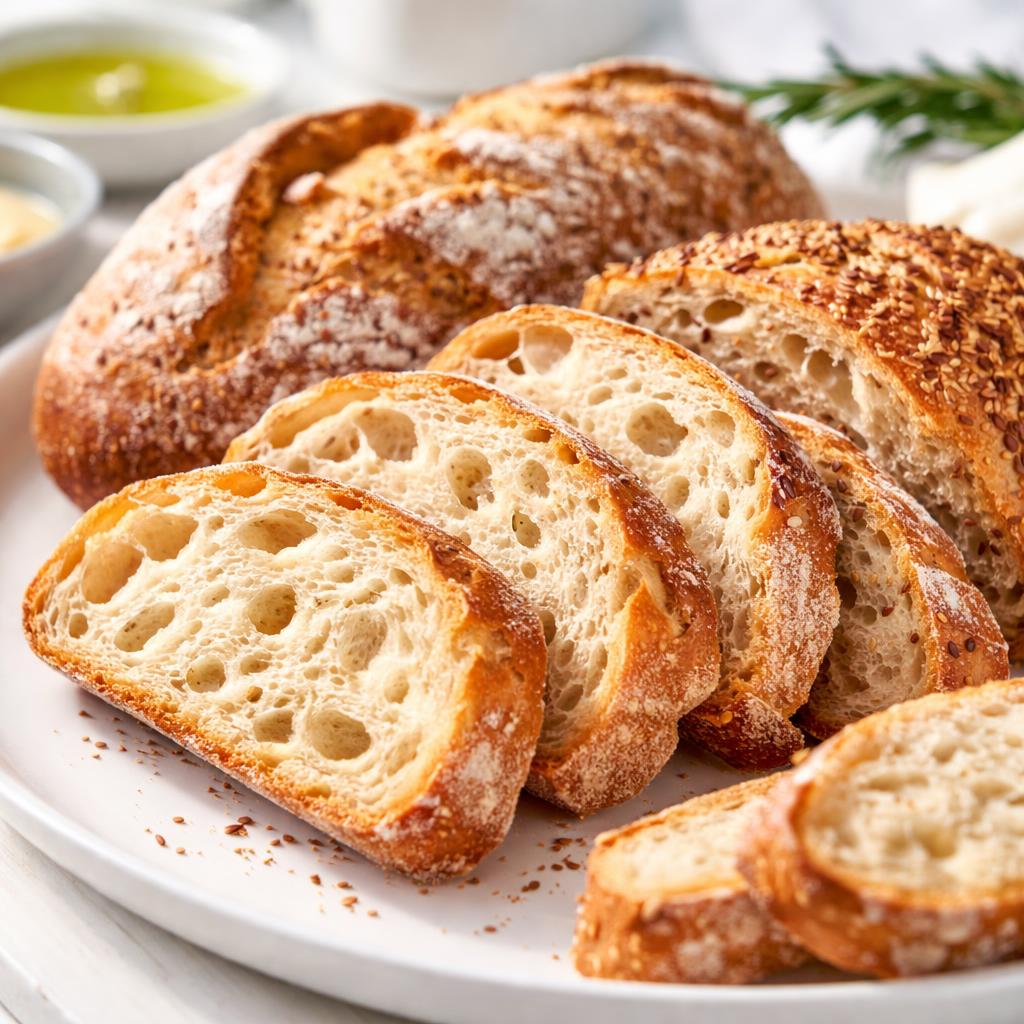
Bread
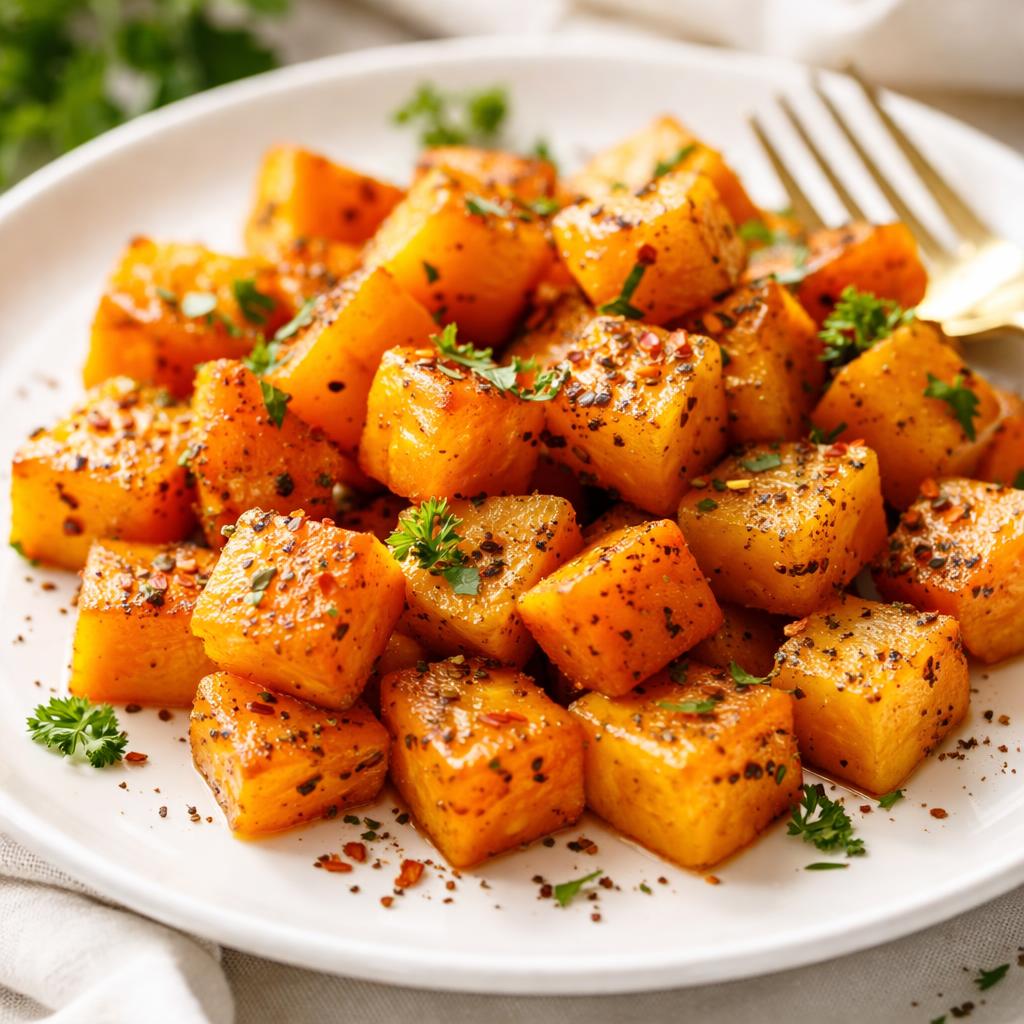
Butternut Squash
🎯 Quick Verdict
Bread is higher in protein and carbohydrates, making it a good option for quick energy and muscle recovery. Butternut squash is much lower in calories and offers more fiber, vitamins, and minerals, making it a nutrient-dense choice for weight loss or overall health improvement.

Smart Nutrition Tracking with SnapCalorie

📊 Nutritional Comparison
Macronutrients
| Nutrient | Food 1 | Food 2 | Winner |
|---|---|---|---|
| Calories | 265/100g | 45/100g | ✓ |
| Protein | 9g/100g | 1g/100g | ✓ |
| Carbs | 49g/100g | 12g/100g | ✓ |
| Fat | 4g/100g | 0g/100g | ✓ |
| Fiber | 2.7g/100g | 3g/100g | ✓ |
Vitamins & Minerals
| Nutrient | Food 1 | Food 2 | Winner |
|---|---|---|---|
| Vitamin A | 0IU | 11,000IU | ✓ |
| Vitamin C | 0mg | 21mg | ✓ |
| Calcium | 14mg | 48mg | ✓ |
| Iron | 3.6mg | 0.7mg | ✓ |
🏆 Category Winners
Protein
Bread has nine times more protein than butternut squash.
Fiber
Butternut squash contains slightly more fiber per serving.
Calories
Butternut squash has significantly fewer calories than bread.
Vitamins
Butternut squash is much higher in vitamins A and C, which are not present in bread.
🥗 Diet Compatibility
Keto
Food 1: Not Compatible
Food 2: Not Compatible
Both are high in carbohydrates.
Vegan
Food 1: Compatible
Food 2: Compatible
Both foods are plant-based.
Gluten Free
Food 1: Not Compatible
Food 2: Compatible
Bread contains gluten, butternut squash is naturally gluten-free.
Paleo
Food 1: Not Compatible
Food 2: Compatible
Bread is not paleo-friendly, while butternut squash is acceptable in paleo diets.
Low-Carb
Food 1: Not Compatible
Food 2: Compatible
Butternut squash has significantly fewer carbs compared to bread and can fit low-carb diets in moderation.
💪 Health Benefits Comparison
Food 1 Benefits
- Provides quick energy due to high carbohydrate content
- Moderate protein content supports muscle growth
- Contains iron for improving oxygen transport in the blood
Food 2 Benefits
- Low in calories, ideal for weight management
- Rich in vitamin A for healthy eyes and skin
- Good source of vitamin C for boosting immunity and collagen production
- High in dietary fiber for promoting healthy digestion
✅ The Bottom Line
Bread is best for those needing quick energy and moderate protein, such as post-workout recovery or meals requiring sustained energy. Butternut squash is a nutrient-dense choice with fewer calories, ideal for weight management and overall health. Both foods can serve different dietary purposes and complement each other in balanced meals.
Choose Food 1 for: Quick energy, post-workout, higher protein diets
Choose Food 2 for: Weight loss, low-calorie diets, general health improvement


