Bread VS Buckwheat Bread
A detailed nutritional comparison

Bread
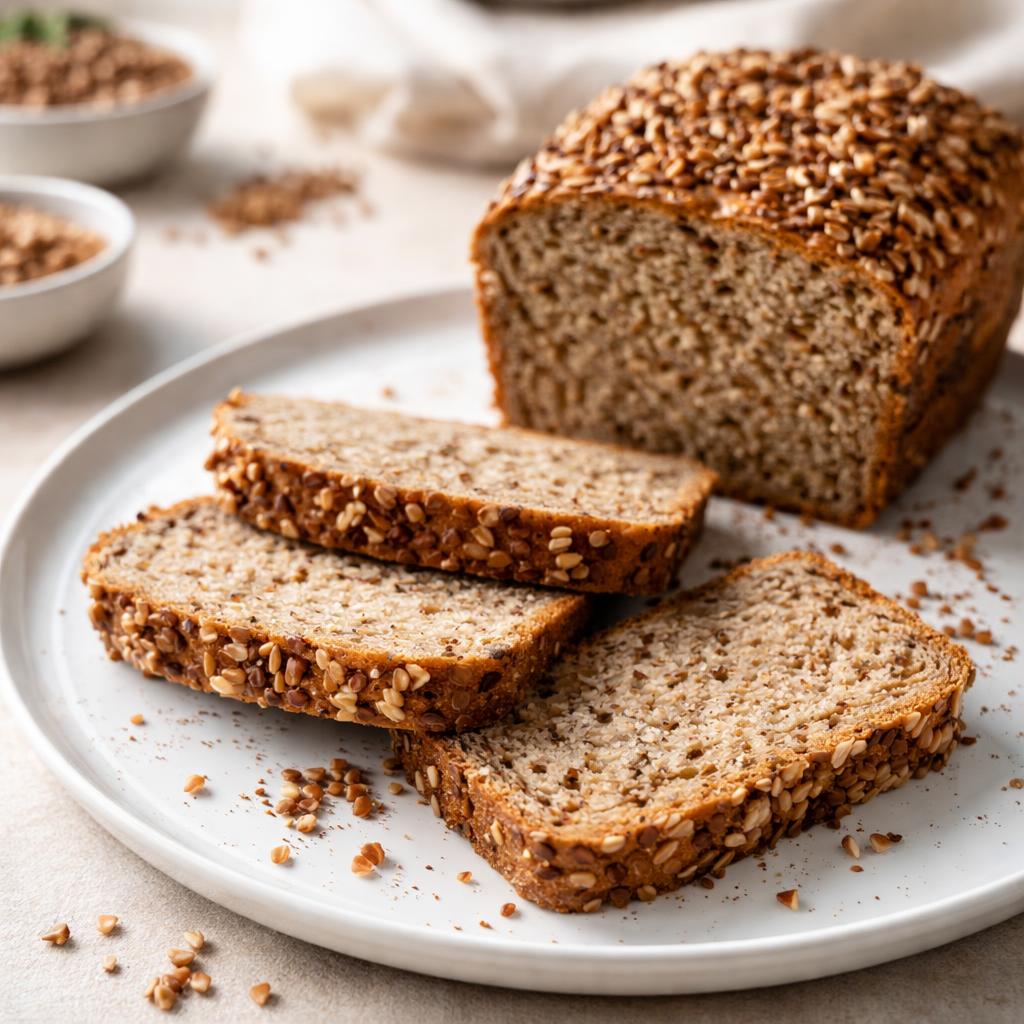
Buckwheat Bread
🎯 Quick Verdict
Buckwheat bread is nutritionally superior to regular bread due to its higher protein and fiber content, making it ideal for digestive support and muscle maintenance. Regular bread is lower in nutritional density and may suit general diets and wider accessibility. Buckwheat bread is also gluten-free, making it suitable for those with dietary restrictions.

Smart Nutrition Tracking with SnapCalorie

📊 Nutritional Comparison
Macronutrients
| Nutrient | Food 1 | Food 2 | Winner |
|---|---|---|---|
| Calories | 250 | 250 | − |
| Protein | 7g | 11g | − |
| Carbs | 49g | 44g | − |
| Fat | 1g | 2g | − |
| Fiber | 2g | 4g | − |
Vitamins & Minerals
| Nutrient | Food 1 | Food 2 | Winner |
|---|---|---|---|
| Vitamin B1 | 0.11mg | 0.15mg | − |
| Magnesium | 8mg | 65mg | − |
| Iron | 1mg | 2mg | − |
🏆 Category Winners
Protein
Buckwheat bread contains 57% more protein per serving.
Fiber
Buckwheat bread delivers twice as much fiber per slice.
Calories
Both foods provide similar calorie amounts per serving.
Vitamins
Buckwheat bread is richer in magnesium, iron, and vitamin B1.
🥗 Diet Compatibility
Keto
Food 1: Not Compatible
Food 2: Not Compatible
Both are high-carb foods, unsuitable for ketosis.
Vegan
Food 1: Compatible
Food 2: Compatible
Both are made from plant-based ingredients, suitable for vegans.
Gluten Free
Food 1: Not Compatible
Food 2: Compatible
Buckwheat bread is gluten-free, unlike regular bread.
Paleo
Food 1: Not Compatible
Food 2: Not Compatible
Both are grain-based, which is not allowed on paleo diets.
Low Carb
Food 1: Not Compatible
Food 2: Not Compatible
Both are relatively high in carbohydrates.
💪 Health Benefits Comparison
Food 1 Benefits
- Provides quick energy due to higher carbohydrates
- Easily accessible and affordable source of calories
- Light texture and mild flavor complement meals
Food 2 Benefits
- High protein content supports muscle maintenance
- Rich in fiber for digestive health
- Contains magnesium for heart health and muscle function
- Gluten-free, ideal for gluten-sensitive diets
✅ The Bottom Line
Buckwheat bread is nutritionally superior for those seeking more protein, fiber, and gluten-free options, while regular bread suits more general dietary needs or affordability. Prioritize buckwheat bread for nutrient density and digestive benefits, and opt for regular bread for lighter carb-focused meals.
Choose Food 1 for: General energy needs, affordable diets, convenience
Choose Food 2 for: Gluten-sensitive diets, high protein, digestive health


