Bread VS Buckwheat
A detailed nutritional comparison

Bread
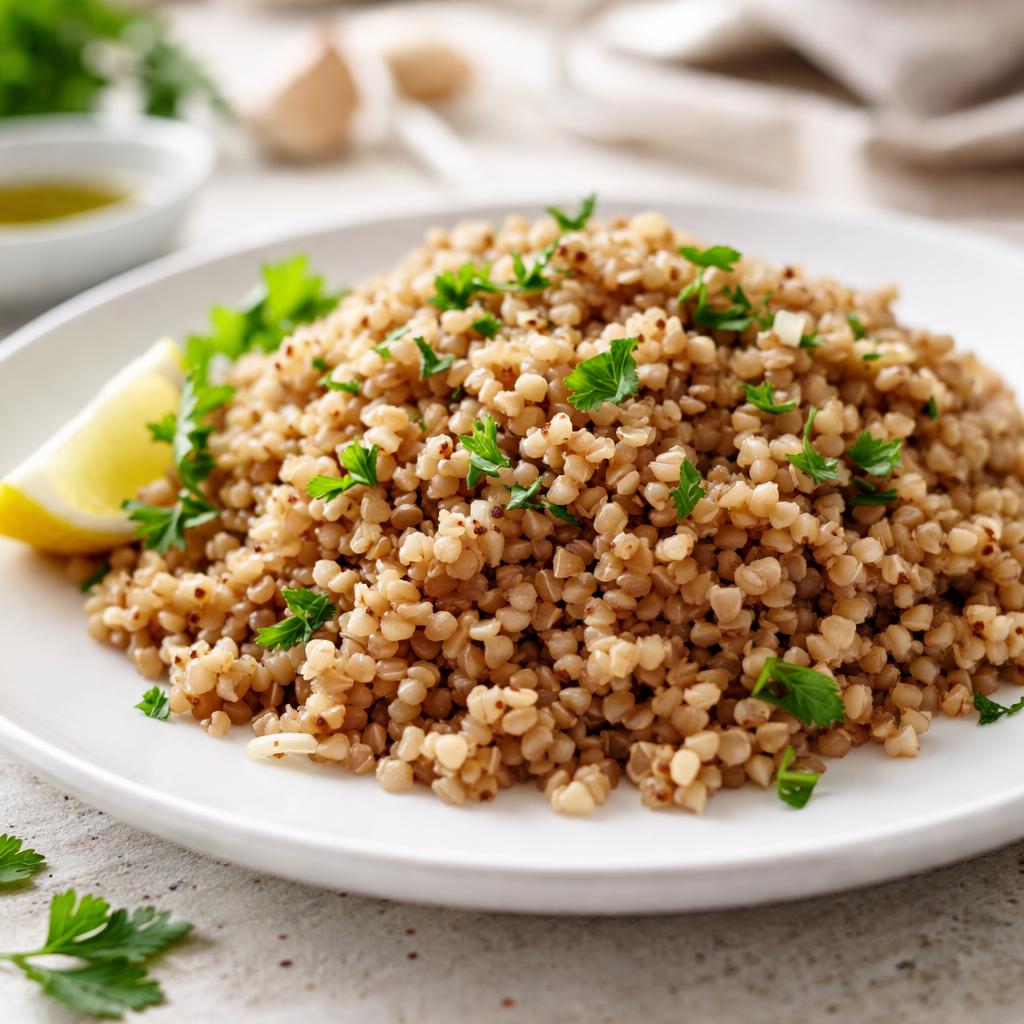
Buckwheat
🎯 Quick Verdict
Buckwheat is more nutrient-dense than bread, offering higher fiber and protein content, as well as greater mineral and antioxidant benefits. Bread is lower in calories and more convenient as a staple food but lacks the rich micronutrient profile of buckwheat. Buckwheat is ideal for those seeking sustained energy and improved digestion, while bread serves well for quick energy boosts or lighter meal options.

Smart Nutrition Tracking with SnapCalorie

📊 Nutritional Comparison
Macronutrients
| Nutrient | Food 1 | Food 2 | Winner |
|---|---|---|---|
| Calories | 265 (per 100g) | 155 (per 100g) | ✓ |
| Protein | 9g | 13g | ✓ |
| Carbs | 49g | 33g | ✓ |
| Fat | 3.2g | 3.4g | − |
| Fiber | 2.7g | 6g | ✓ |
Vitamins & Minerals
| Nutrient | Food 1 | Food 2 | Winner |
|---|---|---|---|
| Vitamin B6 | 0.0mg | 0.21mg | ✓ |
| Calcium | 26mg | 18mg | ✓ |
| Iron | 3.6mg | 2.2mg | ✓ |
| Magnesium | 21mg | 231mg | ✓ |
| Potassium | 115mg | 460mg | ✓ |
🏆 Category Winners
Protein
Buckwheat has 4g more protein per 100g compared to bread, benefiting muscle maintenance.
Fiber
Buckwheat contains over twice the fiber content of bread, promoting better digestion.
Calories
Buckwheat has 42% fewer calories, making it a lower-calorie option.
Vitamins
Buckwheat boasts superior magnesium, potassium, and vitamin B6 levels.
🥗 Diet Compatibility
Keto
Food 1: Not Compatible
Food 2: Not Compatible
Both foods are high in carbohydrates.
Vegan
Food 1: Compatible
Food 2: Compatible
Both are plant-based foods.
Gluten Free
Food 1: Not Compatible
Food 2: Compatible
Buckwheat is naturally gluten-free, unlike most bread.
Paleo
Food 1: Not Compatible
Food 2: Compatible
Buckwheat aligns with paleo diets while bread does not.
Low-Carb
Food 1: Not Compatible
Food 2: Not Compatible
Both foods are relatively high in carbohydrates.
💪 Health Benefits Comparison
Food 1 Benefits
- Quick source of energy due to higher carbs
- Contains moderate protein for general nutrition
- Convenient and versatile in meal preparation
Food 2 Benefits
- Rich in protein to support muscle repair
- High in dietary fiber for digestive health
- Packed with magnesium for heart health and energy metabolism
- Provides sustained energy without blood sugar spikes
✅ The Bottom Line
Buckwheat is better for those aiming for improved nutrient density, digestive health, and sustained energy. Bread is a quicker, more convenient option for energy and light meals but lacks the micronutrient richness of buckwheat.
Choose Food 1 for: Quick meals, high-energy snacks, sandwiches
Choose Food 2 for: Digestive health, nutrient density, and sustained energy


