Bread VS Bread With Butter
A detailed nutritional comparison
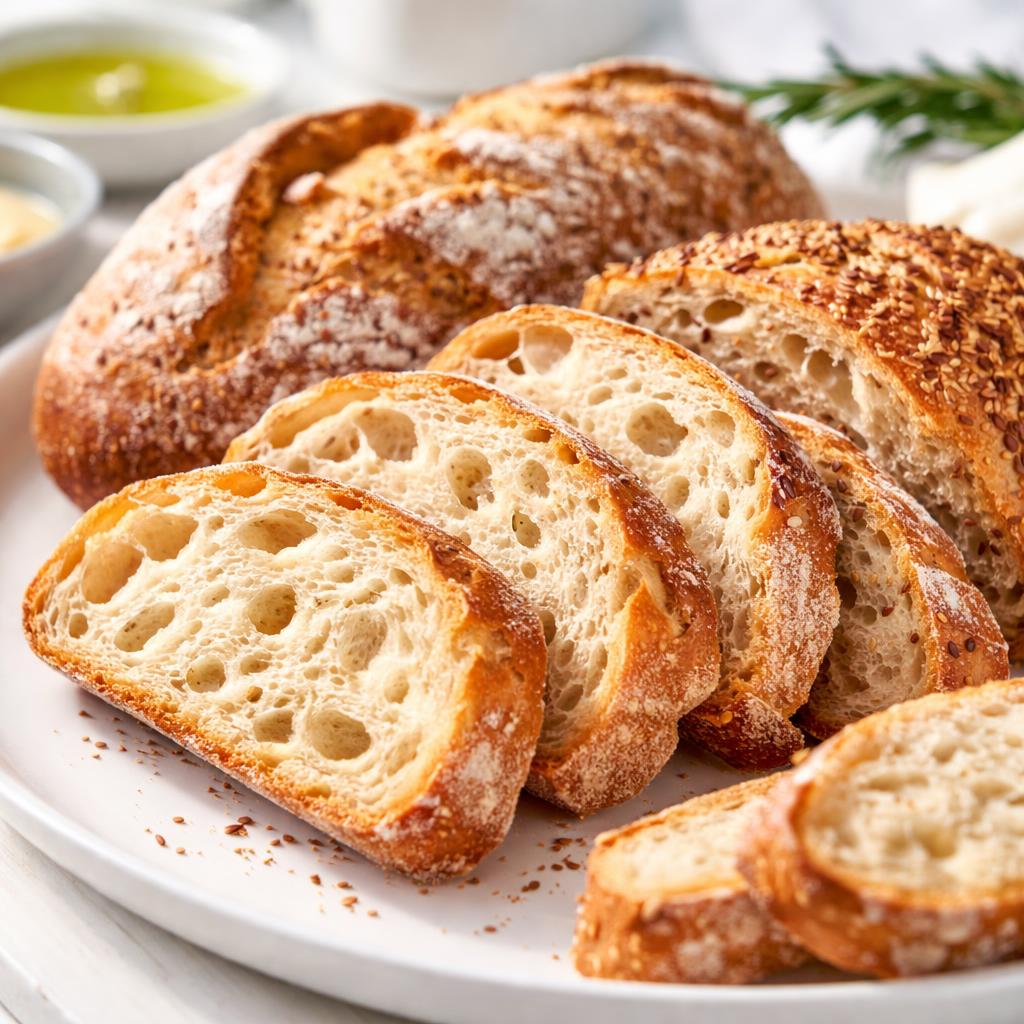
Bread

Bread With Butter
🎯 Quick Verdict
Bread and bread with butter differ primarily in calorie and fat content, with bread being the lower-calorie option. Bread with butter adds richness and calories, along with healthy fats. Choose bread for a lighter option, or bread with butter for added energy and flavor, especially in high-energy diets or when healthy fats are needed.

Smart Nutrition Tracking with SnapCalorie

📊 Nutritional Comparison
Macronutrients
| Nutrient | Food 1 | Food 2 | Winner |
|---|---|---|---|
| Calories | − | ||
| Protein | − | ||
| Carbs | − | ||
| Fat | − | ||
| Fiber | − |
Vitamins & Minerals
| Nutrient | Food 1 | Food 2 | Winner |
|---|---|---|---|
| Vitamin D | − | ||
| Calcium | − | ||
| Iron | − |
🏆 Category Winners
Protein
Both bread and bread with butter have equal protein content per serving (3g each).
Fiber
Both options provide 1g of fiber per serving.
Calories
Bread has 38.5% fewer calories than bread with butter.
Vitamins
Bread with butter is slightly higher in Vitamin D and Calcium.
🥗 Diet Compatibility
Keto
Food 1: Unknown
Food 2: Unknown
Both are high in carbs, making them unsuitable for keto diets.
Vegan
Food 1: Unknown
Food 2: Unknown
Butter excludes bread with butter from vegan diets.
Gluten Free
Food 1: Unknown
Food 2: Unknown
Both options contain gluten.
Paleo
Food 1: Unknown
Food 2: Unknown
Both are grain-based and do not align with paleo guidelines.
Low-Carb
Food 1: Unknown
Food 2: Unknown
Neither option falls within low-carb guidelines due to carbohydrate content.
💪 Health Benefits Comparison
Food 1 Benefits
Food 2 Benefits
✅ The Bottom Line
Choose bread alone for a lighter option suitable for weight management and lower fat content. Bread with butter is better for individuals needing extra calories and healthy fats, such as during high-energy diets or adding flavor to meals.


