Bread VS Apricot
A detailed nutritional comparison
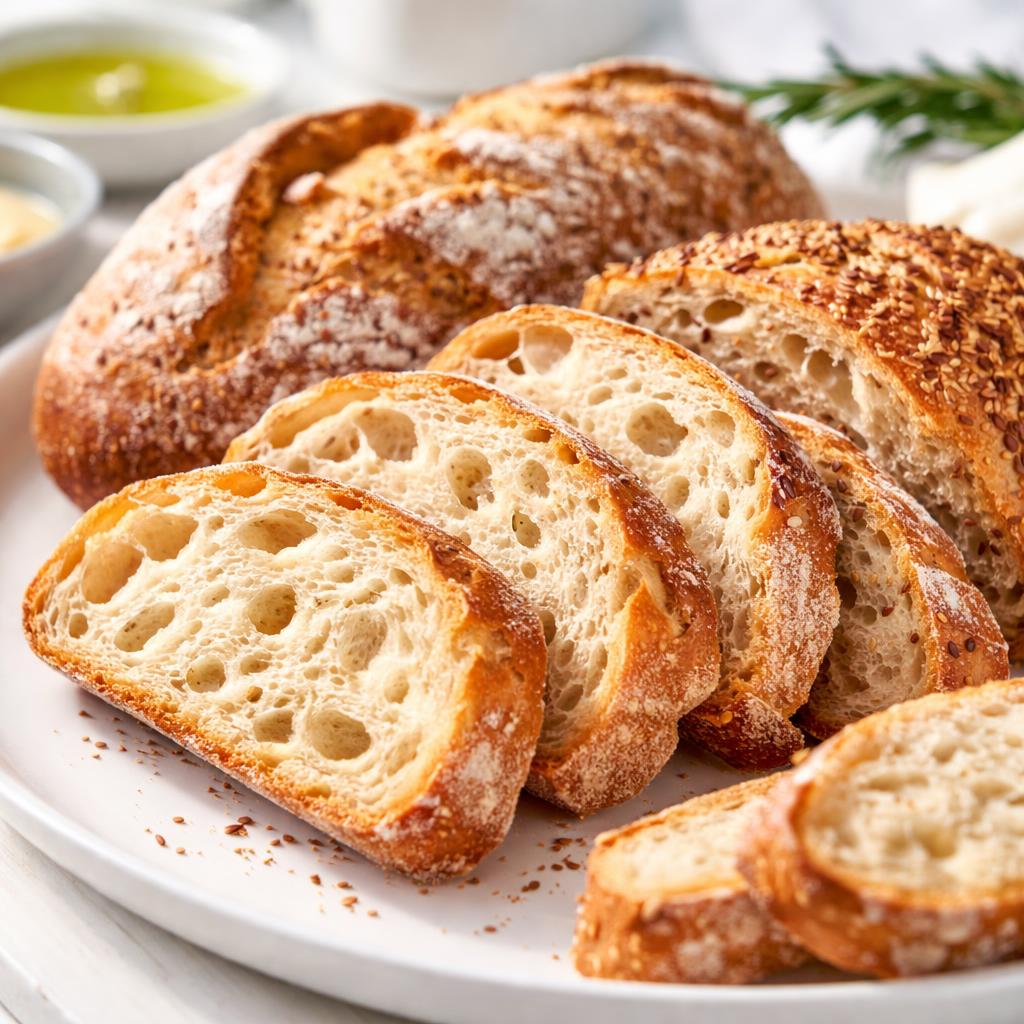
Bread
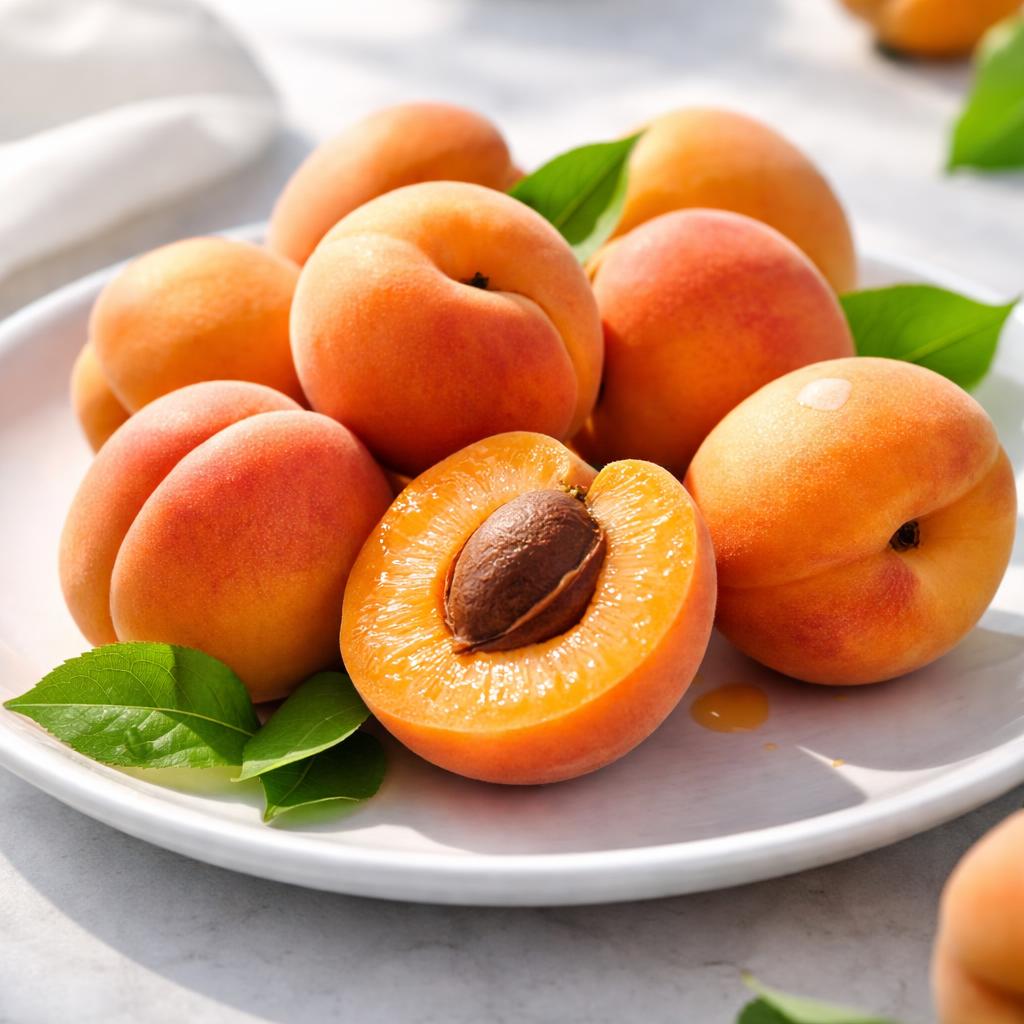
Apricot
🎯 Quick Verdict
Bread is higher in protein, making it a better choice for muscle maintenance, and offers more calories for energy. Apricots are significantly lower in calories and higher in fiber, supporting digestion and weight management. Bread is ideal for meal bases, while apricots serve as a high-fiber, nutrient-dense snack or dessert addition.

Smart Nutrition Tracking with SnapCalorie

📊 Nutritional Comparison
Macronutrients
| Nutrient | Food 1 | Food 2 | Winner |
|---|---|---|---|
| Calories | 265 | 48 | ✓ |
| Protein | 9g | 1g | ✓ |
| Carbs | 49g | 11g | ✓ |
| Fat | 3g | 0.4g | ✓ |
| Fiber | 2g | 2g | − |
Vitamins & Minerals
| Nutrient | Food 1 | Food 2 | Winner |
|---|---|---|---|
| Vitamin A | 0mcg | 96mcg | ✓ |
| Vitamin C | 0mg | 10mg | ✓ |
| Iron | 3mg | 0.4mg | ✓ |
🏆 Category Winners
Protein
Bread contains 9 times more protein compared to apricots.
Fiber
Both foods provide equal amounts of fiber per serving.
Calories
Apricots contain 82% fewer calories than bread.
Vitamins
Apricots are a richer source of vitamin A and C compared to bread.
🥗 Diet Compatibility
Keto
Food 1: Not Compatible
Food 2: Not Compatible
Both foods are high in carbohydrates.
Vegan
Food 1: Compatible
Food 2: Compatible
Both are plant-based options.
Gluten Free
Food 1: Not Compatible
Food 2: Compatible
Bread contains gluten, while apricots are naturally gluten-free.
Paleo
Food 1: Not Compatible
Food 2: Compatible
Bread is a processed food, while apricots fit paleo criteria.
Low Carb
Food 1: Not Compatible
Food 2: Not Compatible
Both foods are relatively high in carbohydrates.
💪 Health Benefits Comparison
Food 1 Benefits
- Good source of energy due to high carbohydrate content
- Provides plant-based protein for muscles
- Contains iron, supporting red blood cell production
Food 2 Benefits
- Low in calories, aiding weight management
- Rich in vitamin A, promoting eye and skin health
- Good source of vitamin C, boosting immunity and collagen synthesis
✅ The Bottom Line
Bread is best for high-energy meals and providing plant-based protein, making it suitable as a staple food. Apricots shine as a low-calorie, fiber-rich snack that is nutrient-dense and supports weight management. Your choice depends on your energy needs and dietary goals.
Choose Food 1 for: Meal bases, post-workout snacks, energy-dense diets
Choose Food 2 for: Weight management, nutrient-rich snacks, digestive health


