Bread VS Almond
A detailed nutritional comparison

Bread
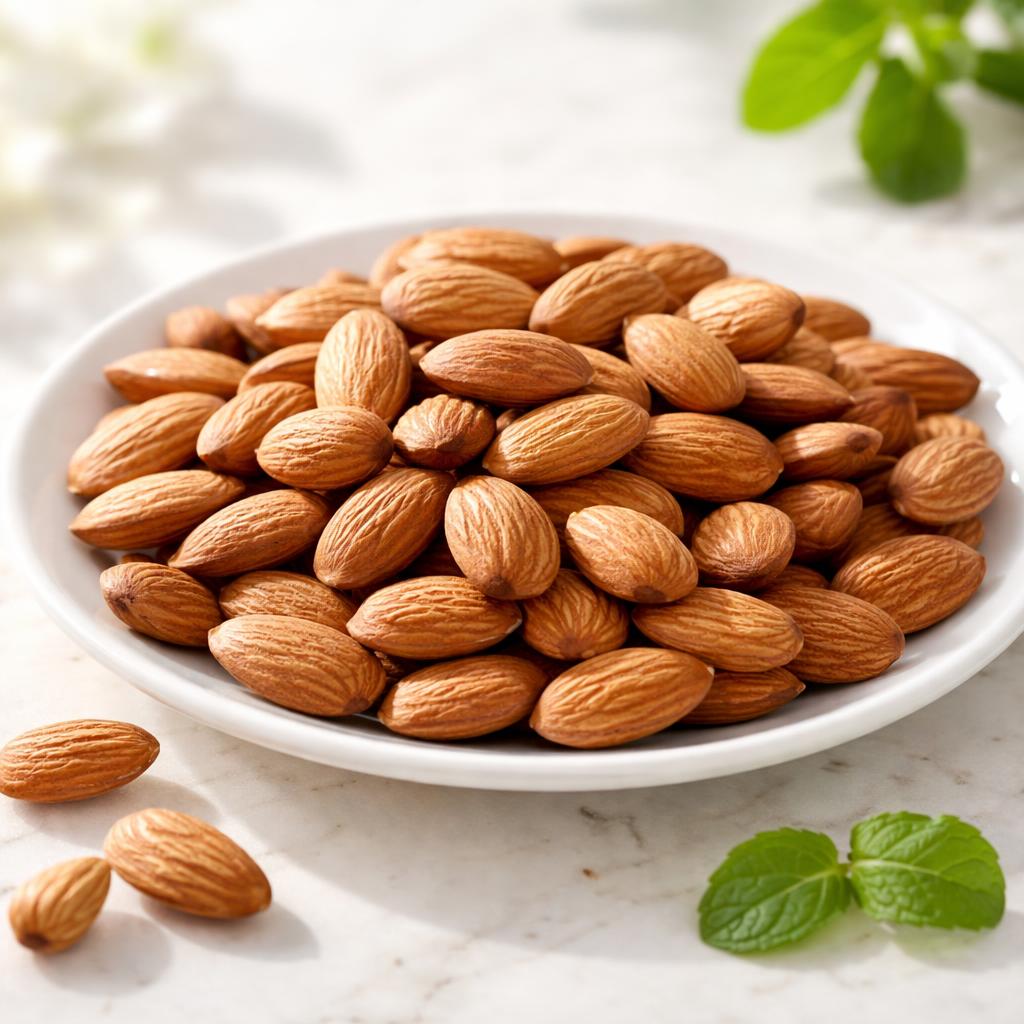
Almond
🎯 Quick Verdict
Almonds are a nutrient-dense food with higher protein, fiber, healthy fats, and fewer calories compared to bread. Bread is a carbohydrate-rich staple with moderate fiber and protein levels, making it versatile for quick energy. Almonds are best for nutrient-dense snacking, while bread serves well as a base for sandwiches or fast energy boosts.

Smart Nutrition Tracking with SnapCalorie

📊 Nutritional Comparison
Macronutrients
| Nutrient | Food 1 | Food 2 | Winner |
|---|---|---|---|
| Calories | 266 | 164 | ✓ |
| Protein | 9g | 6g | ✓ |
| Carbs | 49g | 6g | ✓ |
| Fat | 3.3g | 14.2g | ✓ |
| Fiber | 2.7g | 3.5g | ✓ |
Vitamins & Minerals
| Nutrient | Food 1 | Food 2 | Winner |
|---|---|---|---|
| Vitamin E | 0.2mg | 7.3mg | ✓ |
| Calcium | 15mg | 76mg | ✓ |
| Magnesium | 9mg | 77mg | ✓ |
🏆 Category Winners
Protein
Almonds have 33% higher protein per calorie compared to bread.
Fiber
Almonds provide more fiber per serving than bread, aiding digestion.
Calories
Almonds are lower in calories relative to bread.
Vitamins
Almonds are richer in key vitamins like Vitamin E, calcium, and magnesium.
🥗 Diet Compatibility
Keto
Food 1: Not Compatible
Food 2: Compatible
Bread is high-carb, while almonds are low-carb and high-fat.
Vegan
Food 1: Compatible
Food 2: Compatible
Both are plant-based.
Gluten Free
Food 1: Not Compatible
Food 2: Compatible
Bread typically contains gluten, while almonds are naturally gluten-free.
Paleo
Food 1: Not Compatible
Food 2: Compatible
Bread is processed and not paleo-friendly; almonds align with paleo guidelines.
Low-Carb
Food 1: Not Compatible
Food 2: Compatible
Bread contains high levels of carbohydrates, while almonds are low-carb.
💪 Health Benefits Comparison
Food 1 Benefits
- Provides energy from carbohydrates
- Low fat content for weight management
- Serves as a versatile staple food
Food 2 Benefits
- Rich in healthy monounsaturated fats for heart health
- High in vitamin E, beneficial for skin and immune support
- Provides significant amounts of magnesium and calcium for bone health
- Protein and fiber content aids in satiety and digestion
✅ The Bottom Line
Choose almonds for nutrient density, heart health, and as a lower-carb snack. Opt for bread when seeking energy from carbohydrates or a quick base for meals like sandwiches. Almonds are ideal for low-carb, paleo, and keto diets, whereas bread is better suited for general use in balanced or high-carb eating plans.
Choose Food 1 for: Quick energy, affordable staple, versatile meal base
Choose Food 2 for: Low-carb diets, nutrient-packed snacking, heart and bone health


