Bread Slices VS Sour Dough Bread
A detailed nutritional comparison
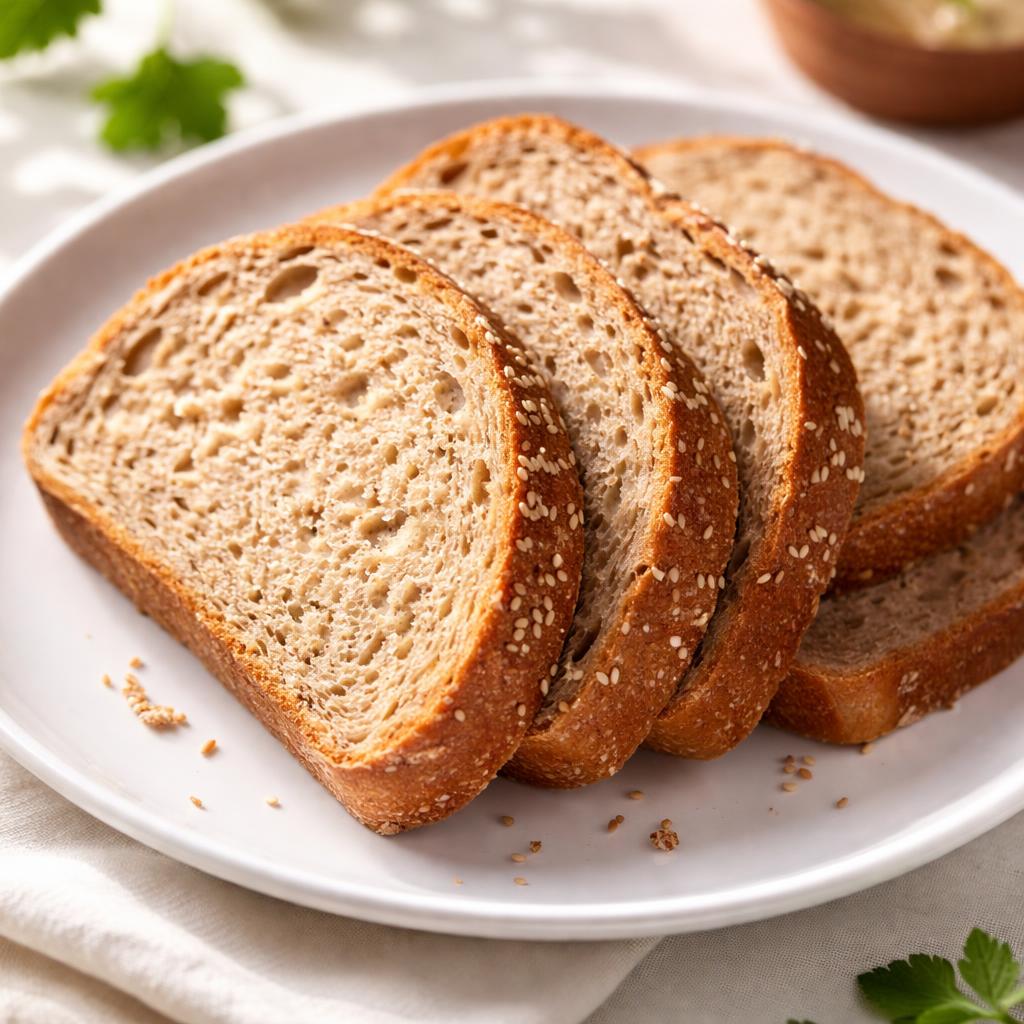
Bread Slices
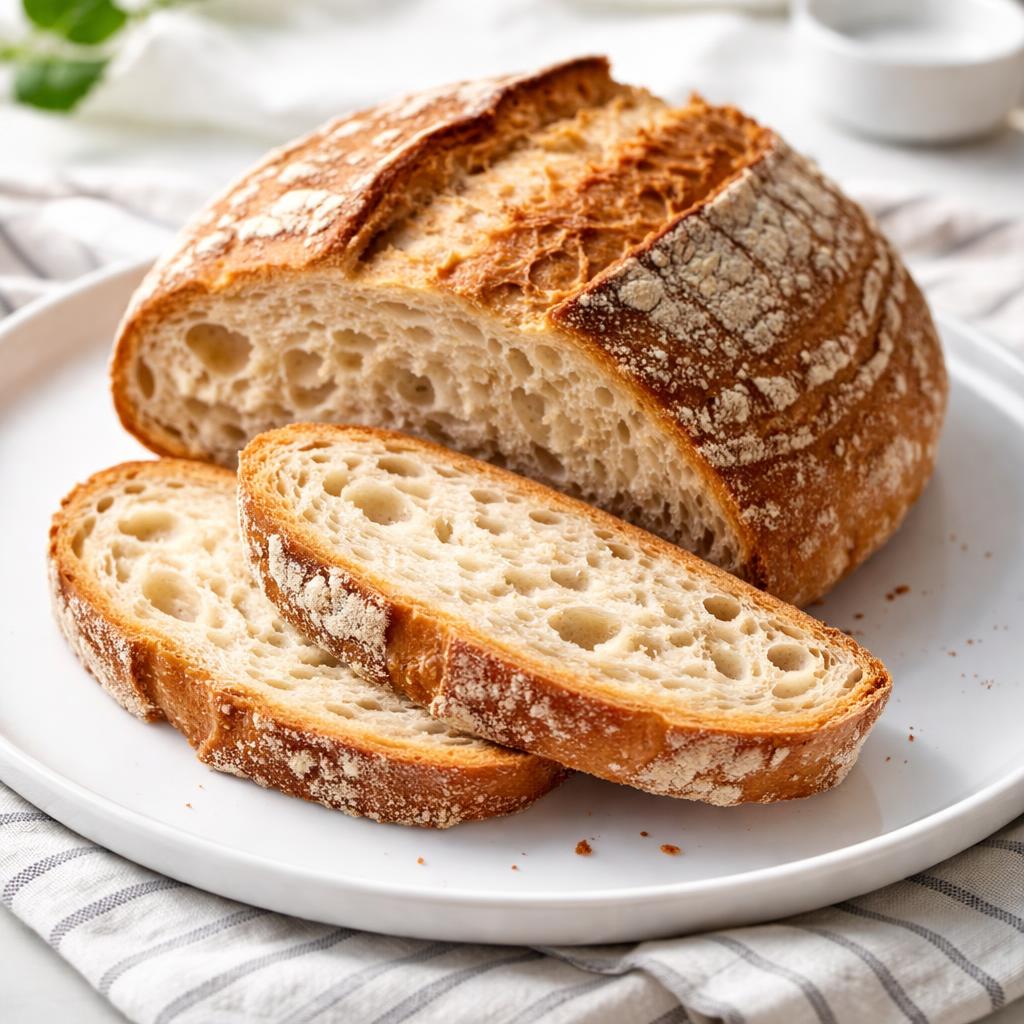
Sour Dough Bread
🎯 Quick Verdict
Sourdough bread has a slight edge over regular bread slices due to its lower calorie content, higher fiber, and better digestibility from natural fermentation. Bread slices are an easy, versatile option suitable for basic sandwiches, while sourdough offers more nutrients and is often better tolerated by those with mild gluten sensitivities.

Smart Nutrition Tracking with SnapCalorie

📊 Nutritional Comparison
Macronutrients
| Nutrient | Food 1 | Food 2 | Winner |
|---|---|---|---|
| Calories | 79 per slice | 70 per slice | ✓ |
| Protein | 2.7g | 2.7g | − |
| Carbs | 15g | 14g | ✓ |
| Fat | 0.9g | 0.8g | ✓ |
| Fiber | 0.9g | 1.2g | ✓ |
Vitamins & Minerals
| Nutrient | Food 1 | Food 2 | Winner |
|---|---|---|---|
| Vitamin B6 | 0.03mg | 0.05mg | ✓ |
| Vitamin C | 0mg | 0mg | − |
| Calcium | 36mg | 50mg | ✓ |
| Iron | 0.8mg | 0.9mg | ✓ |
🏆 Category Winners
Protein
Both bread types offer 2.7g of protein per slice, making them equal in this category.
Fiber
Sourdough bread contains 1.2g of fiber per slice, slightly higher than bread slices (0.9g).
Calories
Sourdough bread contains 70 calories per slice compared to bread slices at 79.
Vitamins
Sourdough offers slightly more Vitamin B6, Calcium, and Iron compared to regular bread slices.
🥗 Diet Compatibility
Keto
Food 1: Not Compatible
Food 2: Not Compatible
Both bread types are high in carbs and not suitable for keto diets.
Vegan
Food 1: Compatible
Food 2: Compatible
Neither contains animal-derived ingredients, making them vegan-friendly.
Gluten Free
Food 1: Not Compatible
Food 2: Not Compatible
Both bread varieties are made with wheat and contain gluten.
Paleo
Food 1: Not Compatible
Food 2: Not Compatible
Neither fits the Paleo diet due to grain content.
Low Carb
Food 1: Not Compatible
Food 2: Not Compatible
Both bread types are relatively high in carbohydrates.
💪 Health Benefits Comparison
Food 1 Benefits
- Provides quick energy due to carbohydrates
- Easy, versatile option for sandwiches and toasts
- Low in fat, suitable for low-fat diets
Food 2 Benefits
- Higher fiber supports better digestion
- Fermentation may improve nutrient absorption
- Lower calorie content aids in weight management
✅ The Bottom Line
Sourdough bread is the better choice for digestion and moderate calorie control, while regular bread slices excel in convenience and versatility. Both provide similar protein but differ slightly in fiber and vitamin content.
Choose Food 1 for: Quick meals, low-fat diets, versatile cooking
Choose Food 2 for: Improved digestion, nutrient absorption, calorie-conscious diets


