Bread Slices VS Multigrain Bread
A detailed nutritional comparison
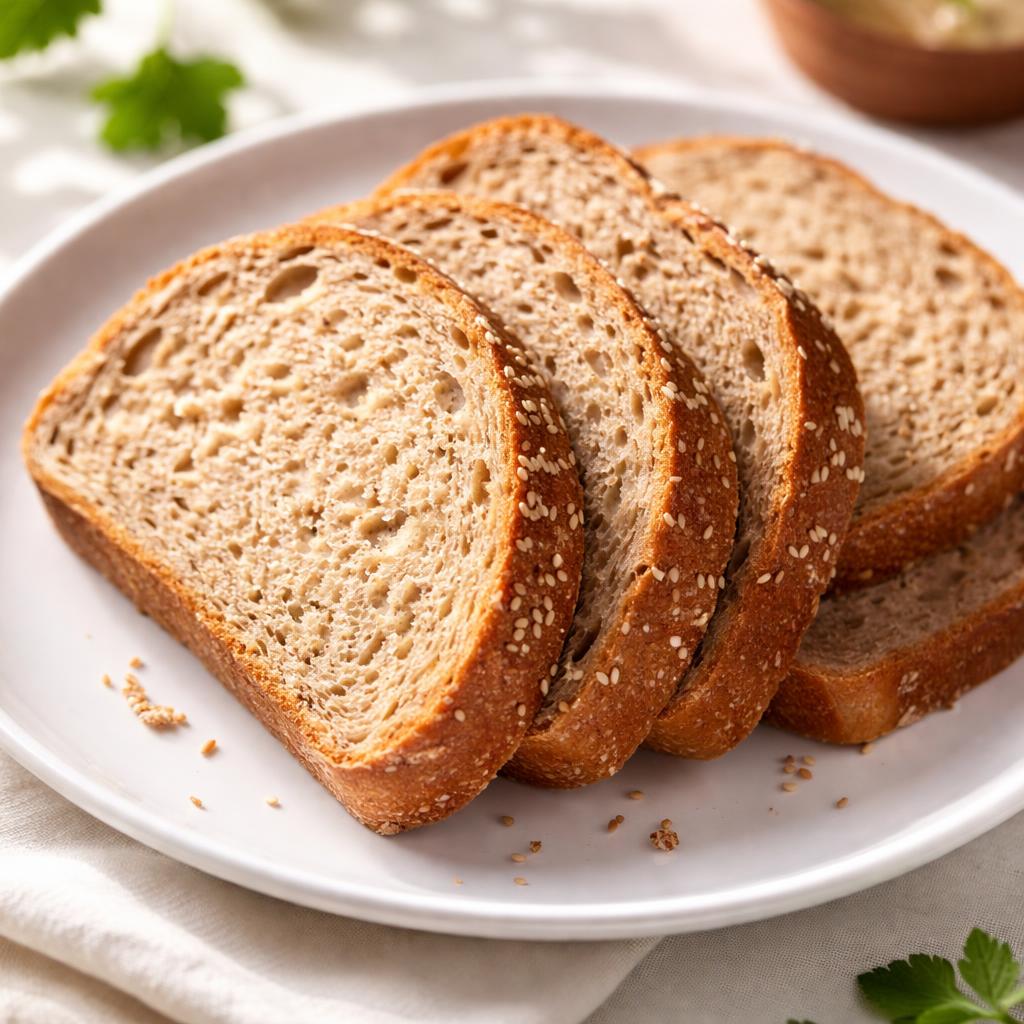
Bread Slices
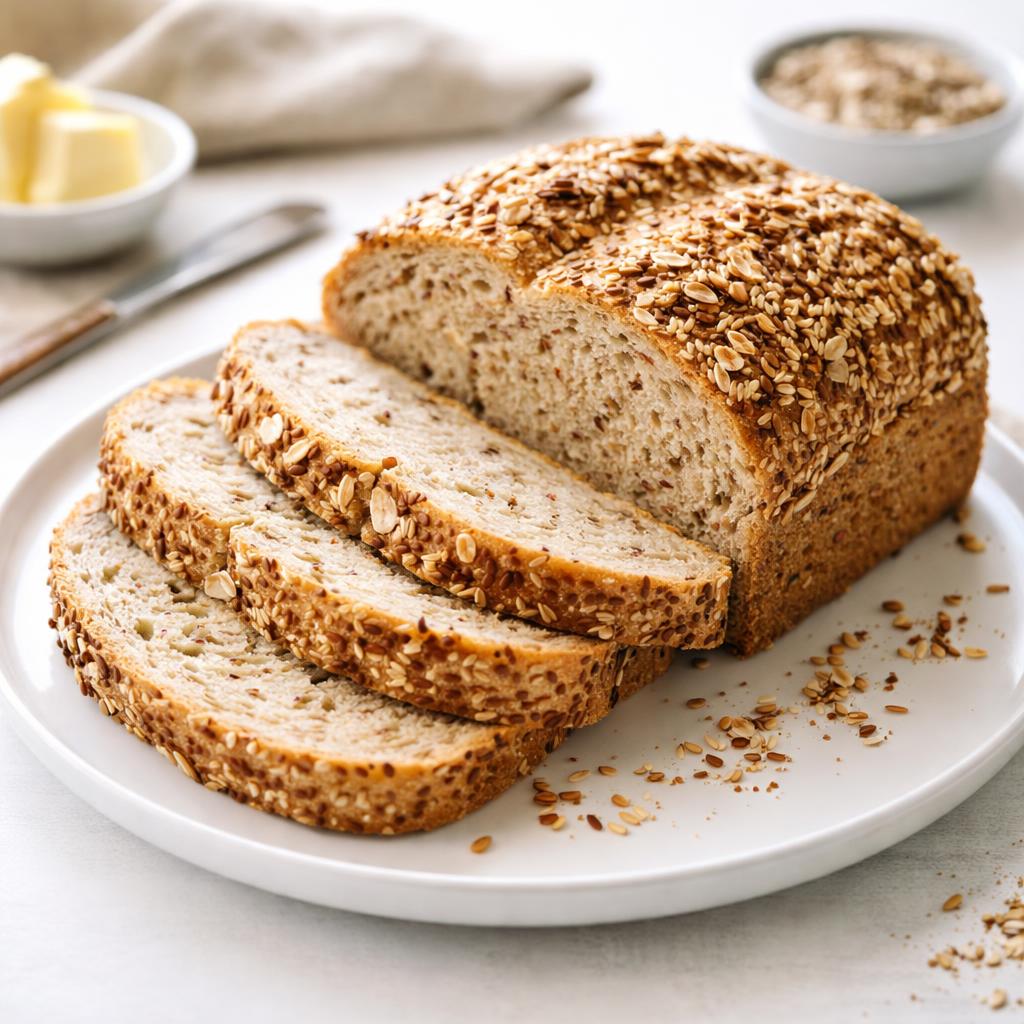
Multigrain Bread
🎯 Quick Verdict
Multigrain bread offers higher nutrient density, including more protein, fiber, and vitamins, making it a healthier option compared to regular bread slices. Regular bread slices are comparable in calories but lower in key nutrients, making them a simpler and more affordable choice for basic carbohydrate needs.

Smart Nutrition Tracking with SnapCalorie

📊 Nutritional Comparison
Macronutrients
| Nutrient | Food 1 | Food 2 | Winner |
|---|---|---|---|
| Calories | 80 per slice | 80 per slice | − |
| Protein | 2g per slice | 4g per slice | − |
| Carbs | 15g per slice | 14g per slice | − |
| Fat | 1g per slice | 2g per slice | − |
| Fiber | 0.5g per slice | 2g per slice | − |
Vitamins & Minerals
| Nutrient | Food 1 | Food 2 | Winner |
|---|---|---|---|
| Vitamin B6 | 0.02mg | 0.06mg | − |
| Folate | 30mcg | 50mcg | − |
| Iron | 0.7mg | 1mg | − |
🏆 Category Winners
Protein
Multigrain bread provides double the protein per slice compared to regular bread.
Fiber
Multigrain bread has 4x higher fiber content per serving.
Calories
Both options have equal calorie content of 80 per slice.
Vitamins
Multigrain bread offers higher amounts of Vitamin B6, Folate, and Iron.
🥗 Diet Compatibility
Keto
Food 1: Not Compatible
Food 2: Not Compatible
Both are high in carbohydrates and unsuitable for a ketogenic diet.
Vegan
Food 1: Compatible
Food 2: Compatible
Neither contains animal products.
Gluten Free
Food 1: Not Compatible
Food 2: Not Compatible
Both contain gluten derived from wheat.
Paleo
Food 1: Not Compatible
Food 2: Not Compatible
Grains are excluded from the paleo diet.
Low-Carb
Food 1: Not Compatible
Food 2: Not Compatible
Carbohydrates per serving exceed low-carb guidelines.
💪 Health Benefits Comparison
Food 1 Benefits
- Provides quick energy from carbohydrates
- Affordable and widely available
- Moderate calorie content for basic meals
Food 2 Benefits
- Higher protein content supports muscle health
- Rich in fiber for digestive health
- Contains additional vitamins and minerals for better nutrient density
✅ The Bottom Line
Choose multigrain bread for a more nutrient-dense, protein- and fiber-rich option that supports overall health and digestion. Regular bread slices are better for simple, budget-friendly carbohydrate needs where nutrient density is less important.
Choose Food 1 for: Budget meals, quick carbohydrates, basic snack bases
Choose Food 2 for: Balanced diets, high-protein meals, fiber-rich snacks


