Bread Slice VS Whole Wheat Bread
A detailed nutritional comparison
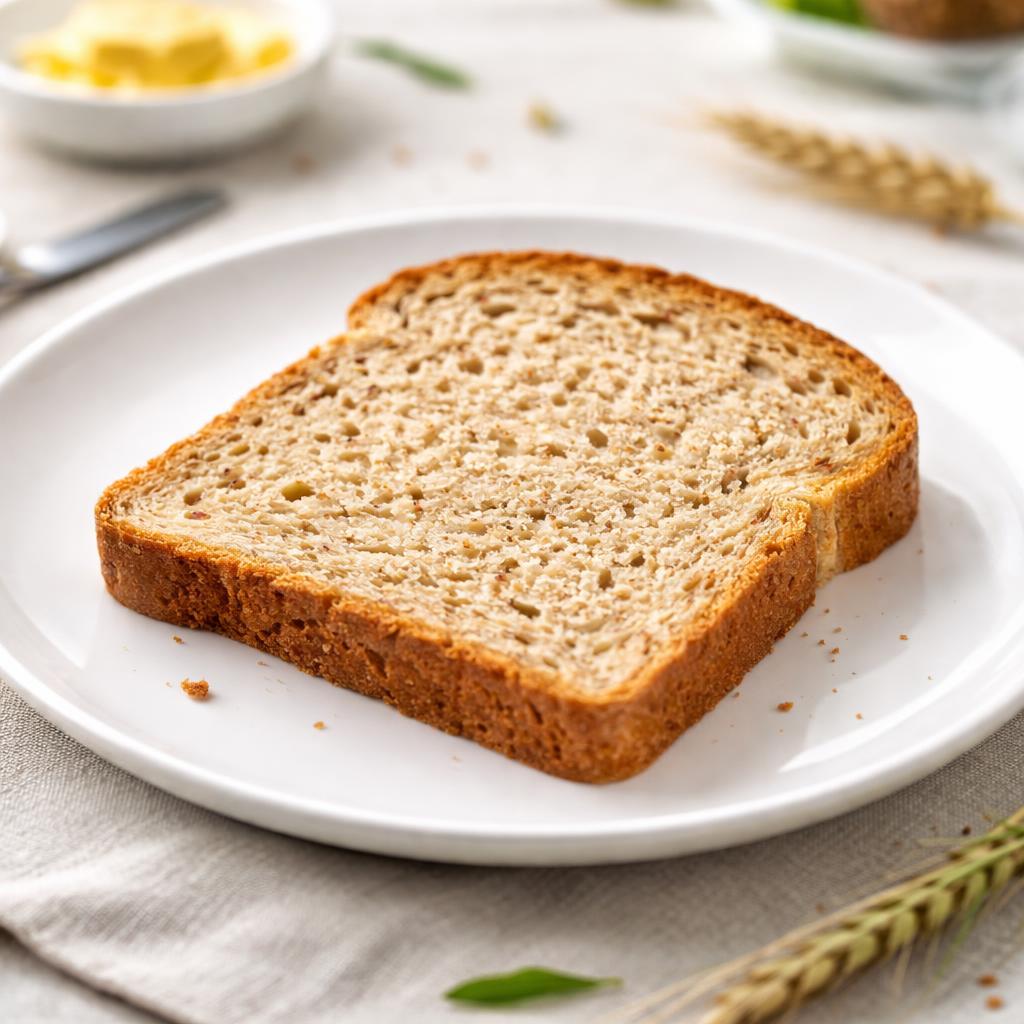
Bread Slice
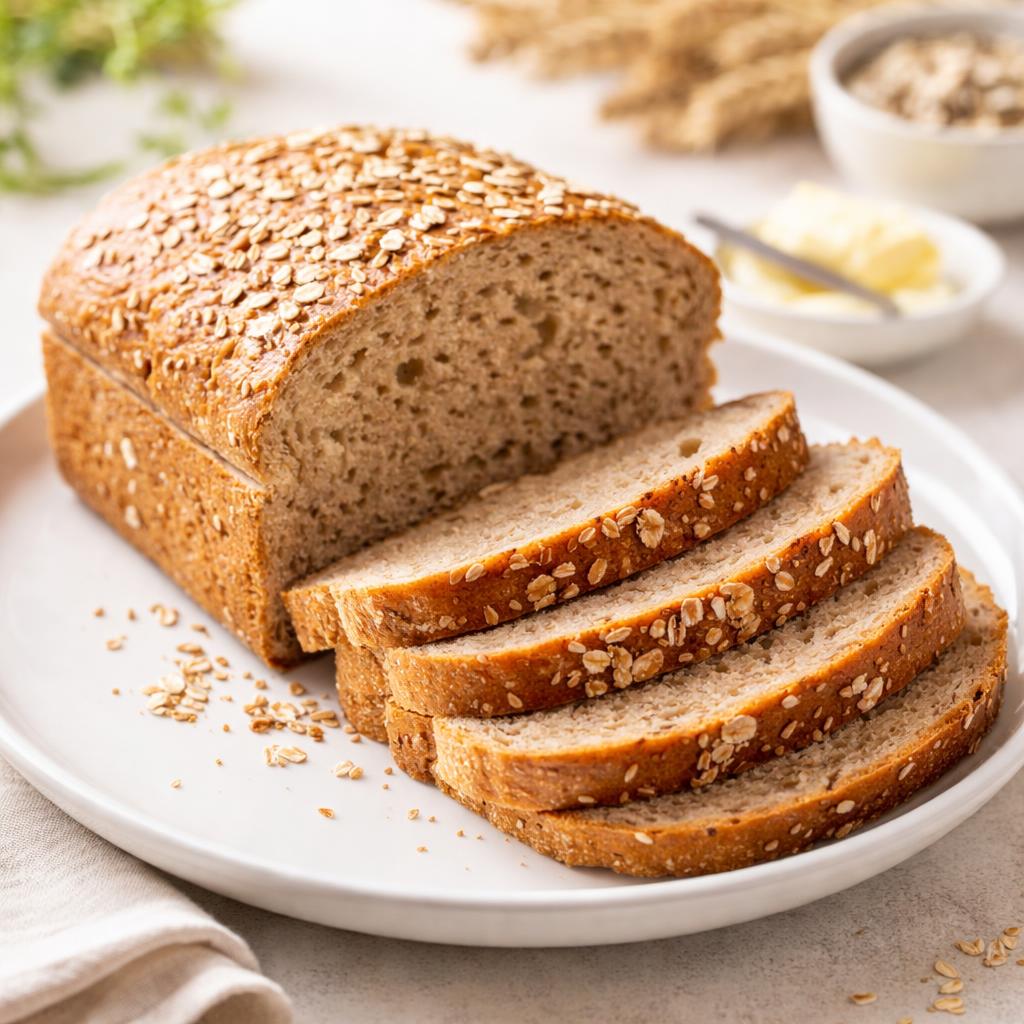
Whole Wheat Bread
🎯 Quick Verdict
Whole wheat bread typically offers more nutritional benefits than white bread, including higher protein and fiber content, and additional vitamins and minerals like manganese and selenium. White bread contains fewer nutrients and is less filling, making whole wheat bread a better option for digestion, energy, and overall health benefits.

Smart Nutrition Tracking with SnapCalorie

📊 Nutritional Comparison
Macronutrients
| Nutrient | Food 1 | Food 2 | Winner |
|---|---|---|---|
| Calories | 80 | 80 | − |
| Protein | 2g | 4g | − |
| Carbs | 15g | 14g | − |
| Fat | 1g | 1g | − |
| Fiber | 0.5g | 3g | − |
Vitamins & Minerals
| Nutrient | Food 1 | Food 2 | Winner |
|---|---|---|---|
| Iron | 0.6mg | 0.9mg | − |
| Manganese | 0.1mg | 0.7mg | − |
| Selenium | 5mcg | 13mcg | − |
🏆 Category Winners
Protein
Whole wheat bread contains twice the protein as regular white bread per serving.
Fiber
Whole wheat bread offers 6 times more fiber than white bread, benefiting digestion.
Calories
Both options provide approximately the same calorie count per slice.
Vitamins
Whole wheat bread is richer in minerals like manganese and selenium which are essential for metabolism and immune health.
🥗 Diet Compatibility
Keto
Food 1: Not Compatible
Food 2: Not Compatible
Both bread types are high in carbohydrates.
Vegan
Food 1: Compatible
Food 2: Compatible
Both are plant-based.
Gluten Free
Food 1: Not Compatible
Food 2: Not Compatible
Both contain gluten.
Paleo
Food 1: Not Compatible
Food 2: Not Compatible
Grain-based foods are excluded from a paleo diet.
Low-Carb
Food 1: Not Compatible
Food 2: Less Compatible
Whole wheat bread is marginally lower in carbs but neither is considered low-carb for strict diets.
💪 Health Benefits Comparison
Food 1 Benefits
- Provides a quick source of energy
- Mild flavor, good for sandwiches or toast
- Fortified with basic vitamins in some brands
Food 2 Benefits
- Rich in fiber for improved digestion
- Higher protein content aids in muscle maintenance
- Contains essential minerals for overall health like selenium and manganese
✅ The Bottom Line
Whole wheat bread is nutritionally superior in terms of protein, fiber, and vitamin content, making it the better choice for sustained energy and digestion. White bread is a simpler option for quick meals but lacks the depth of nutrition. Choose whole wheat bread for health-focused diets and white bread for occasional simple meals.
Choose Food 1 for: Quick, light meals, soft texture preferences, fortified options
Choose Food 2 for: Weight maintenance, high-fiber diets, nutrient-rich snacks


