Bread Slice VS Pasta Sauce
A detailed nutritional comparison
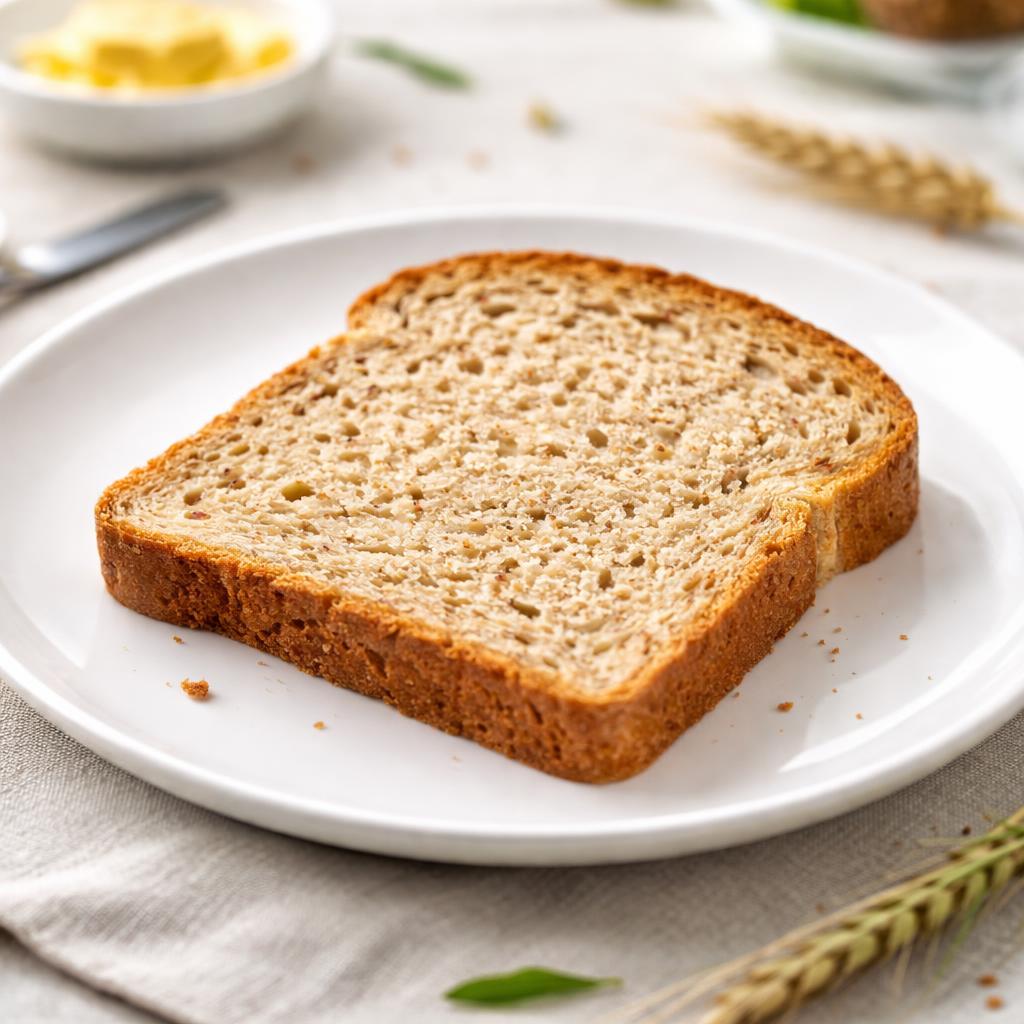
Bread Slice
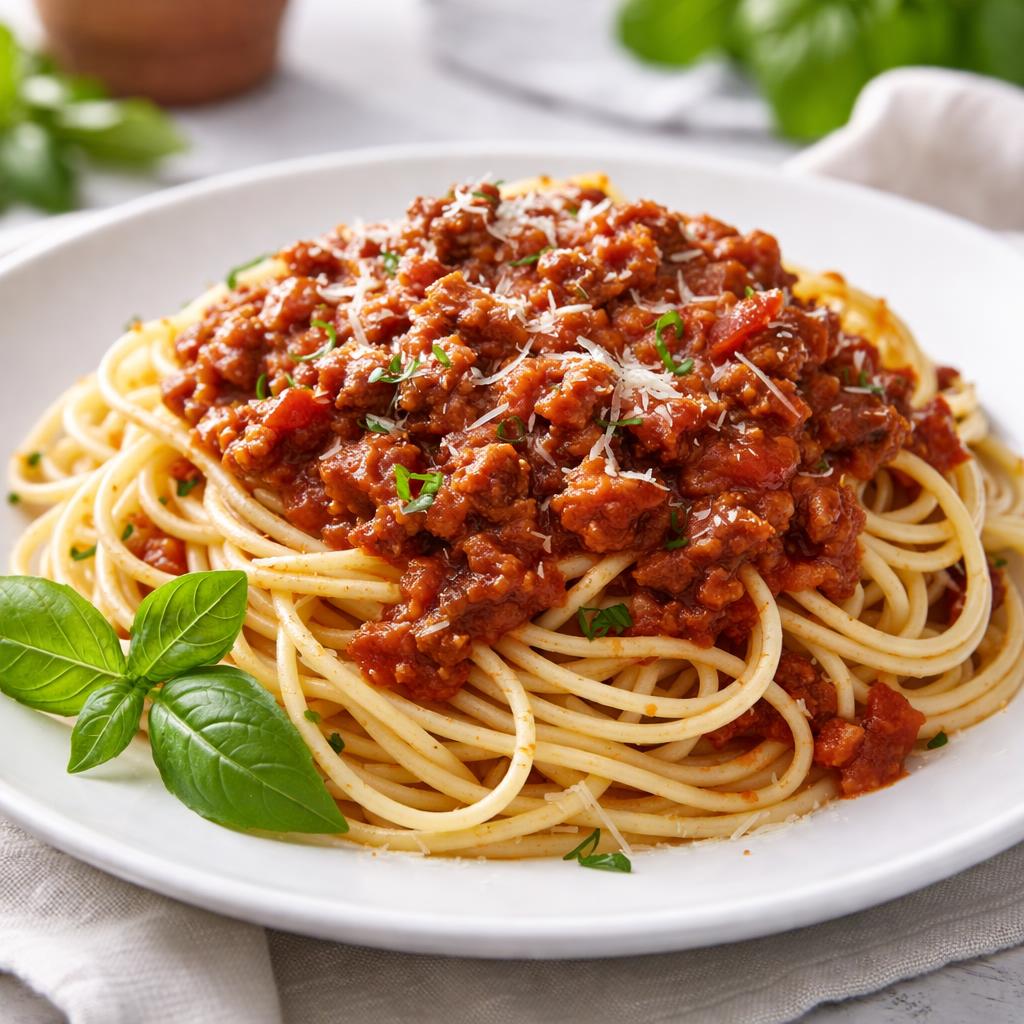
Pasta Sauce
🎯 Quick Verdict
A slice of bread is higher in protein (4g vs. 1g) and fiber (1.5g vs. 0.5g), making it better for satiety and digestion. Pasta sauce is lower in calories (45 vs. 80 per serving) and offers more vitamins like Vitamin C due to its tomato base. Bread is great for quick energy, while pasta sauce provides rich flavor and micronutrients for cooked dishes.

Smart Nutrition Tracking with SnapCalorie

📊 Nutritional Comparison
Macronutrients
| Nutrient | Food 1 | Food 2 | Winner |
|---|---|---|---|
| Calories | 80 | 45 | ✓ |
| Protein | 4g | 1g | ✓ |
| Carbs | 15g | 10g | ✓ |
| Fat | 1g | 0.5g | ✓ |
| Fiber | 1.5g | 0.5g | ✓ |
Vitamins & Minerals
| Nutrient | Food 1 | Food 2 | Winner |
|---|---|---|---|
| Vitamin C | 0mg | 5mg | ✓ |
| Vitamin A | 0IU | 400IU | ✓ |
| Iron | 1mg | 0.3mg | ✓ |
🏆 Category Winners
Protein
Bread provides 300% more protein than pasta sauce.
Fiber
Bread has three times more fiber per serving.
Calories
Pasta sauce has 43% fewer calories per serving.
Vitamins
Pasta sauce is richer in Vitamin C and Vitamin A due to its tomato base.
🥗 Diet Compatibility
Keto
Food 1: Not Compatible
Food 2: Compatible
Bread is high in carbs, whereas pasta sauce is lower-carb (10g per serving).
Vegan
Food 1: Compatible
Food 2: Compatible
Both foods contain no animal products.
Gluten Free
Food 1: Not Compatible
Food 2: Compatible
Bread contains gluten, while most pasta sauces are naturally gluten-free.
Paleo
Food 1: Not Compatible
Food 2: Compatible
Bread is processed, but pasta sauce aligns with paleo diets unless heavily processed.
Low Carb
Food 1: Not Compatible
Food 2: Compatible
Bread is significantly higher in carbs than pasta sauce.
💪 Health Benefits Comparison
Food 1 Benefits
- Provides quick energy due to higher carbohydrate content.
- Offers protein for muscle maintenance.
- Contains fiber to support digestion and satiety.
Food 2 Benefits
- Rich in vitamins like Vitamin C and Vitamin A, supporting immunity and vision.
- Low in calories and fats, making it suitable for weight management diets.
- Contains antioxidants from tomatoes, promoting heart health.
✅ The Bottom Line
Bread is better for higher energy needs and more protein, making it suitable for quick meals and post-workout snacks. Pasta sauce shines for weight management and adding flavorful, nutrient-dense sauces to dishes. Choose bread for satiety and energy, and pasta sauce for vitamins and fewer calories.
Choose Food 1 for: Quick energy, sandwiches, protein-rich snacks
Choose Food 2 for: Weight management, nutrient-rich sauces, low-calorie cooking


