Bread Rolls VS Gluten-Free Bread
A detailed nutritional comparison

Bread Rolls
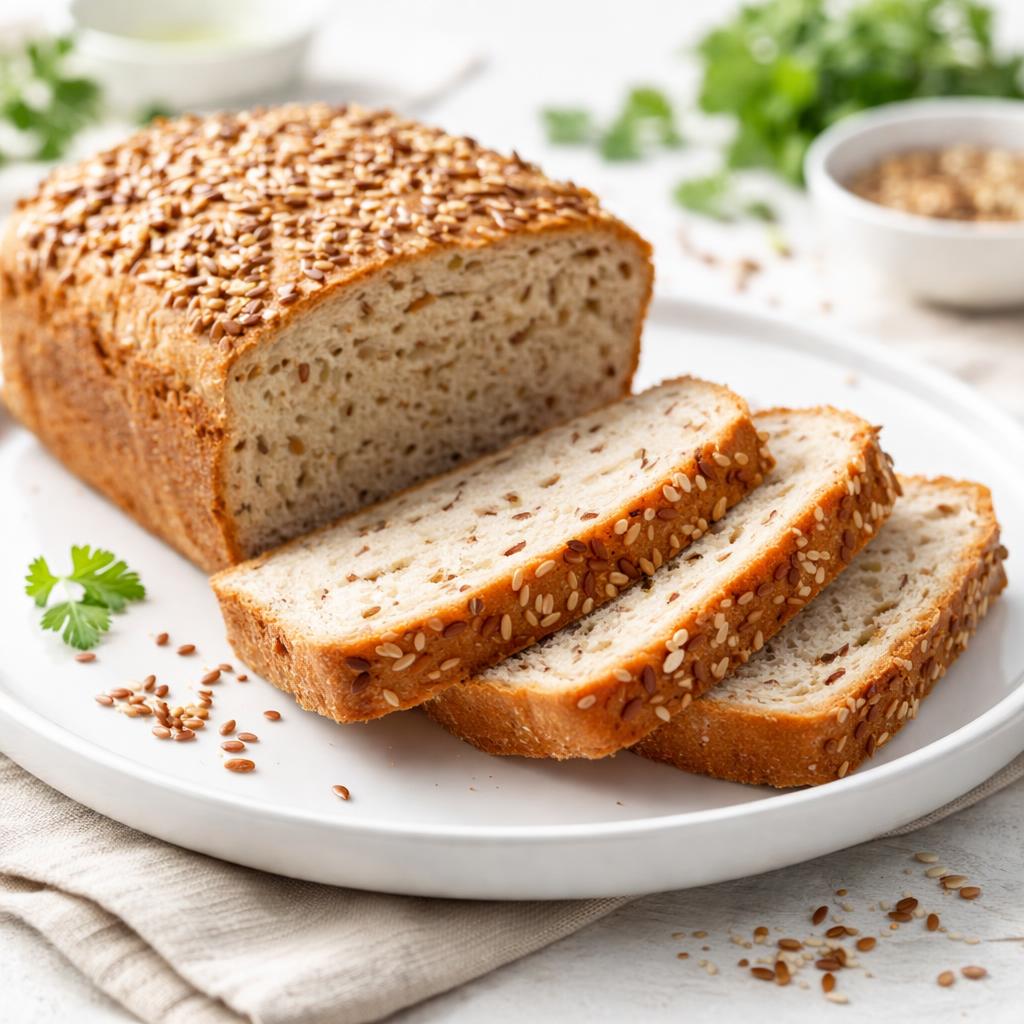
Gluten-Free Bread
🎯 Quick Verdict
Gluten-free bread generally has fewer calories and more fiber than bread rolls, but bread rolls have higher protein content. Bread rolls are traditional and often versatile for various meals, while gluten-free bread might cater to specific dietary needs like gluten intolerance and be lighter for calorie-conscious diets.

Smart Nutrition Tracking with SnapCalorie

📊 Nutritional Comparison
Macronutrients
| Nutrient | Food 1 | Food 2 | Winner |
|---|---|---|---|
| Calories | 230 | 180 | ✓ |
| Protein | 7g | 4g | ✓ |
| Carbs | 44g | 36g | ✓ |
| Fat | 2g | 3g | ✓ |
| Fiber | 2g | 5g | ✓ |
Vitamins & Minerals
| Nutrient | Food 1 | Food 2 | Winner |
|---|---|---|---|
| Vitamin D | 0mcg | 0mcg | − |
| Calcium | 50mg | 60mg | ✓ |
| Iron | 2mg | 1mg | ✓ |
🏆 Category Winners
Protein
Bread rolls have nearly double the protein compared to gluten-free bread.
Fiber
Gluten-free bread excels with more than double the fiber content.
Calories
With 22% fewer calories, gluten-free bread is lighter per serving.
Vitamins
Gluten-free bread has slightly more calcium overall, benefiting bone health.
🥗 Diet Compatibility
Keto
Food 1: Not Compatible
Food 2: Not Compatible
Both are high-carbohydrate foods unsuitable for keto diets.
Vegan
Food 1: Compatible
Food 2: Compatible
Neither contains animal-derived ingredients and typically suits vegan diets.
Gluten Free
Food 1: Not Compatible
Food 2: Compatible
Only gluten-free bread caters to those avoiding gluten.
Paleo
Food 1: Not Compatible
Food 2: Not Compatible
Both contain grains, which are not paleo-compliant.
Low-Carb
Food 1: Not Compatible
Food 2: Not Compatible
Both are relatively high in carbohydrates per serving.
💪 Health Benefits Comparison
Food 1 Benefits
- Higher protein content for muscle maintenance
- Lower in fiber but provides quick energy from carbs
- Good source of iron
Food 2 Benefits
- Rich in fiber for improved digestion
- Lower calorie option for weight management
- Gluten-free, aiding individuals with gluten intolerance or celiac disease
- Slightly higher calcium content for bone health
✅ The Bottom Line
Bread rolls are higher in protein and iron, making them a better option for energy and muscle support. Gluten-free bread shines with lower calories and higher fiber content, ideal for digestion and calorie-conscious diets. Both serve unique dietary needs depending on priorities like gluten avoidance or protein intake.
Choose Food 1 for: General nutrition, muscle maintenance, energy-rich meals
Choose Food 2 for: Gluten-free diets, weight management, higher fiber intake


