Bread Roll VS Whole Wheat Bread
A detailed nutritional comparison
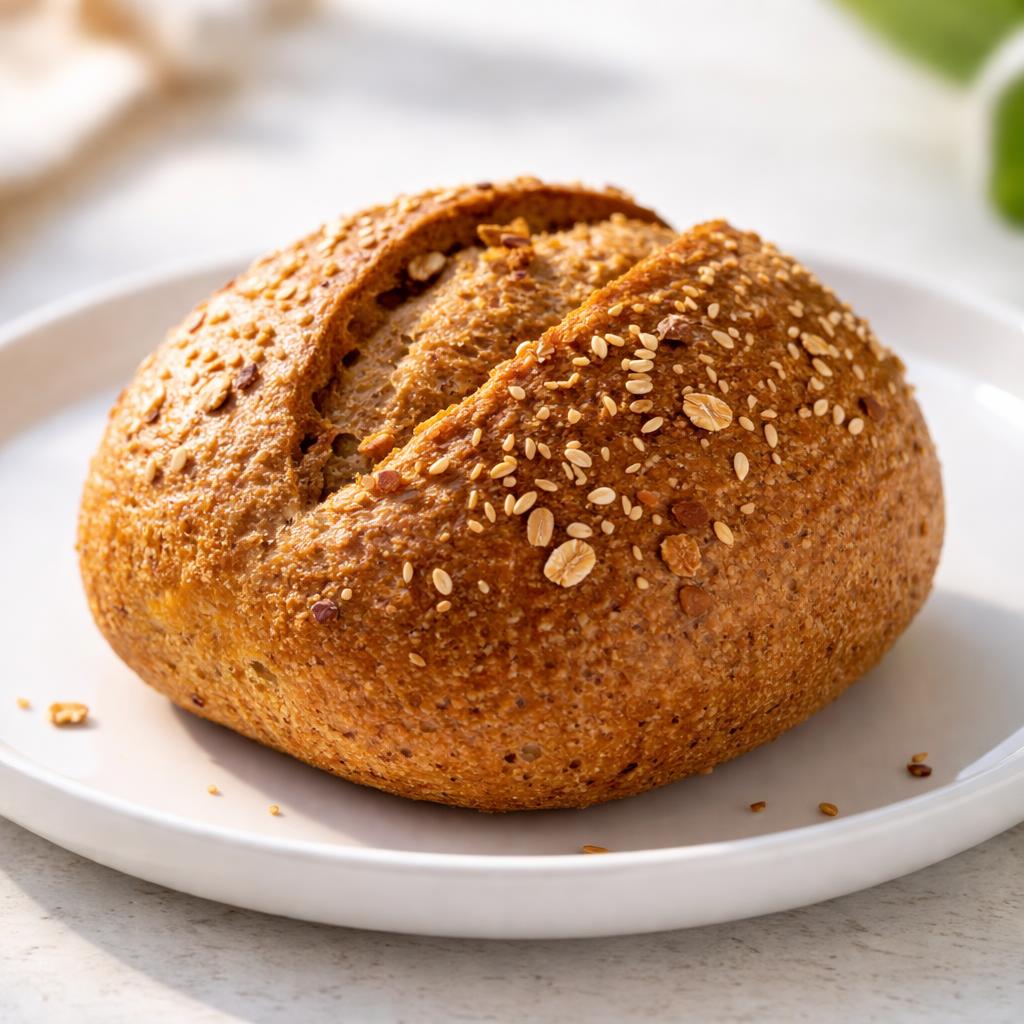
Bread Roll
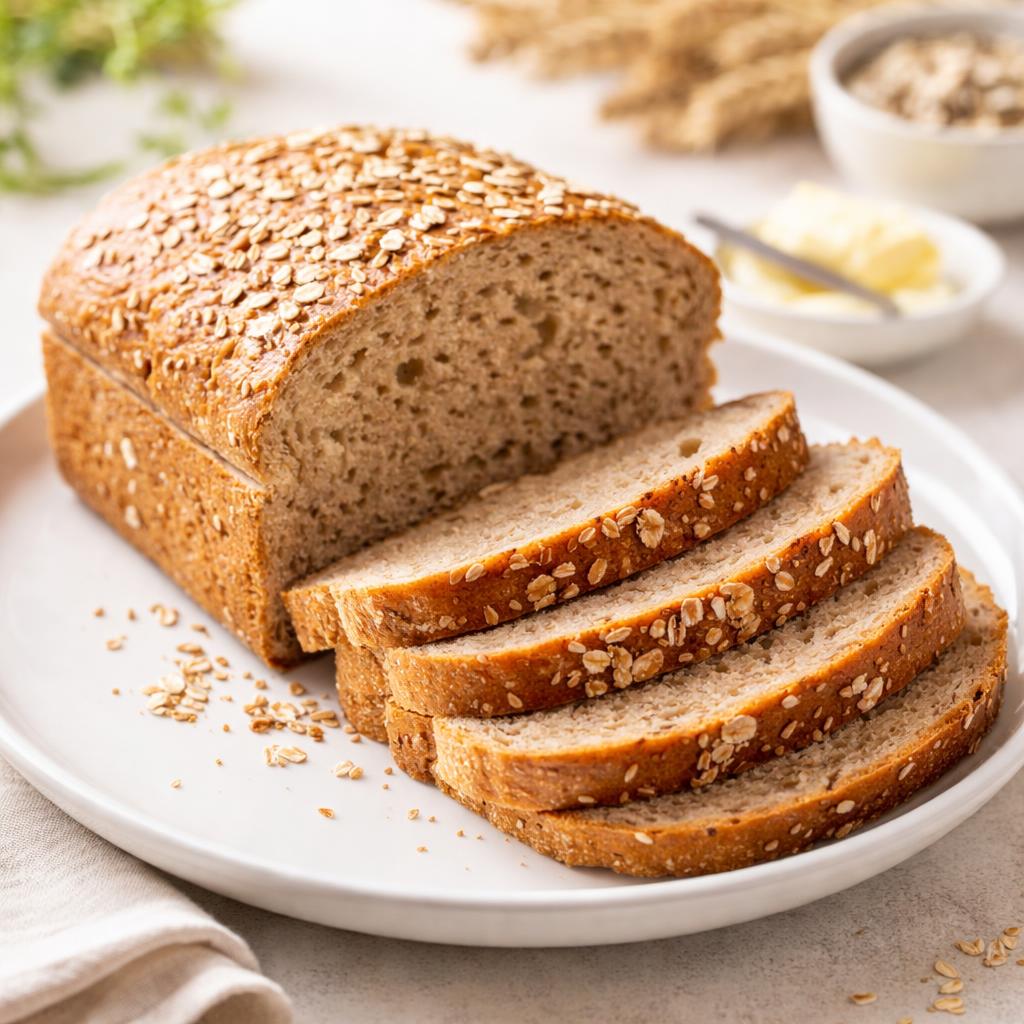
Whole Wheat Bread
🎯 Quick Verdict
Whole wheat bread generally provides better nutritional value than a bread roll, particularly in terms of protein, fiber, and micronutrient density, while both have comparable calorie counts. Bread rolls may appeal for occasions where texture and simplicity are desired, but whole wheat bread is a better choice for health-conscious diets and daily consumption due to its higher nutrient content and slower digesting carbs to sustain energy levels longer.

Smart Nutrition Tracking with SnapCalorie

📊 Nutritional Comparison
Macronutrients
| Nutrient | Food 1 | Food 2 | Winner |
|---|---|---|---|
| Calories | 150 | 150 | − |
| Protein | 4g | 6g | − |
| Carbs | 28g | 26g | − |
| Fat | 2g | 1.5g | − |
| Fiber | 1g | 3g | − |
Vitamins & Minerals
| Nutrient | Food 1 | Food 2 | Winner |
|---|---|---|---|
| Vitamin B6 | 0.02mg | 0.1mg | − |
| Magnesium | 10mg | 30mg | − |
| Iron | 0.8mg | 1mg | − |
🏆 Category Winners
Protein
Whole wheat bread contains 50% more protein than the bread roll.
Fiber
Whole wheat bread has three times the fiber content, aiding digestion.
Calories
Both have similar calorie counts, around 150 per serving.
Vitamins
Whole wheat bread has significantly more micronutrients such as magnesium and vitamin B6.
🥗 Diet Compatibility
Keto
Food 1: Not Compatible
Food 2: Not Compatible
Both are high in carbs and not suitable for keto diets.
Vegan
Food 1: Compatible
Food 2: Compatible
Neither contains animal-derived ingredients.
Gluten Free
Food 1: Not Compatible
Food 2: Not Compatible
Both contain gluten.
Paleo
Food 1: Not Compatible
Food 2: Not Compatible
Grain-based foods are excluded in paleo diets.
Low-Carb
Food 1: Not Compatible
Food 2: Not Compatible
Both contain over 25g of carbs per serving.
💪 Health Benefits Comparison
Food 1 Benefits
- Provides quick energy due to simple carbohydrate composition.
- Softer texture, making it versatile for sandwiches or sides.
- Contains small amounts of iron and calcium.
Food 2 Benefits
- Higher protein content supports muscle repair and development.
- Rich in fiber, promoting gut health and longer satiety.
- Contains more magnesium and vitamins crucial for metabolic health.
✅ The Bottom Line
Whole wheat bread is the better choice for most health-focused diets due to its higher protein, fiber, and micronutrient content, while keeping calories similarly low. Bread rolls, with their soft texture and lower fiber, might favor specific recipes or quick-energy needs without a focus on nutrient density.
Choose Food 1 for: Fast energy options, casual meals, and simple recipes.
Choose Food 2 for: Balanced meals, weight management, and higher nutrient needs.


