Boiled Rice VS Wonton Noodles
A detailed nutritional comparison
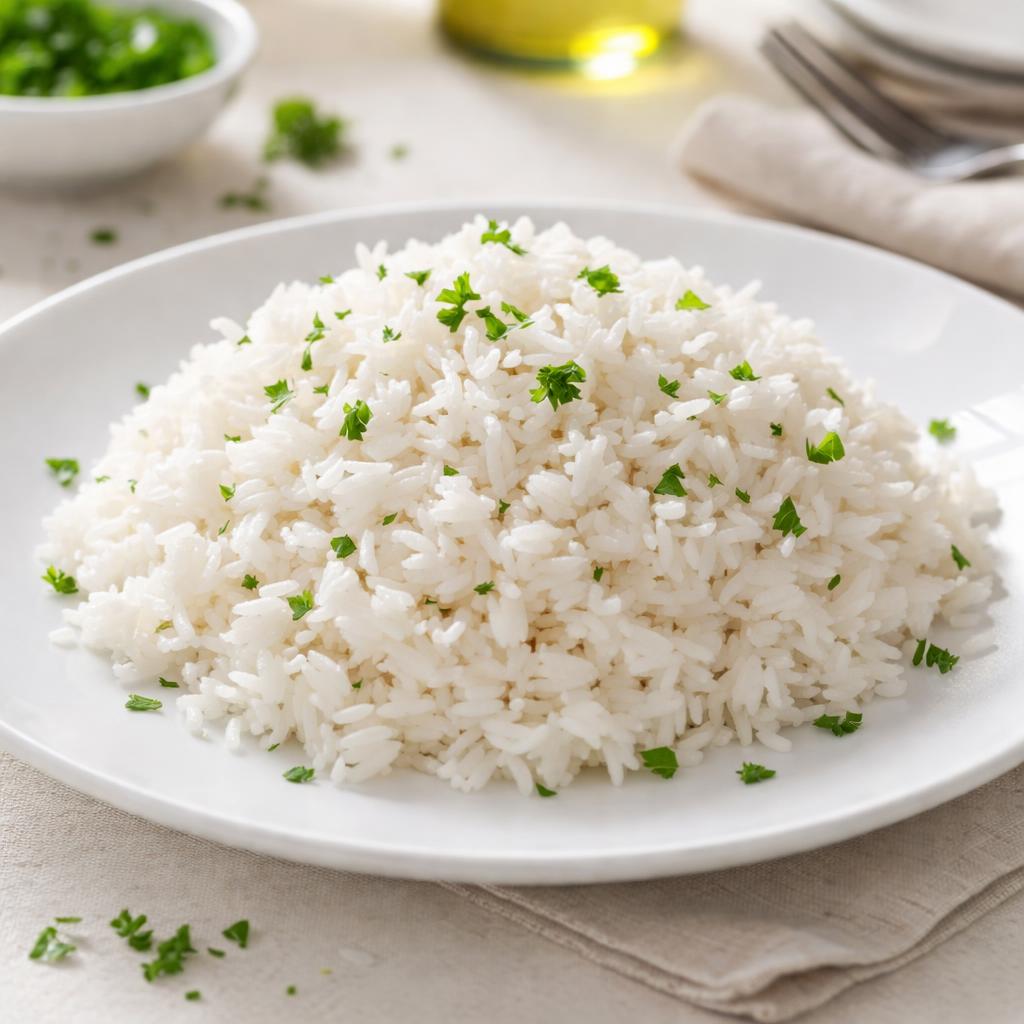
Boiled Rice
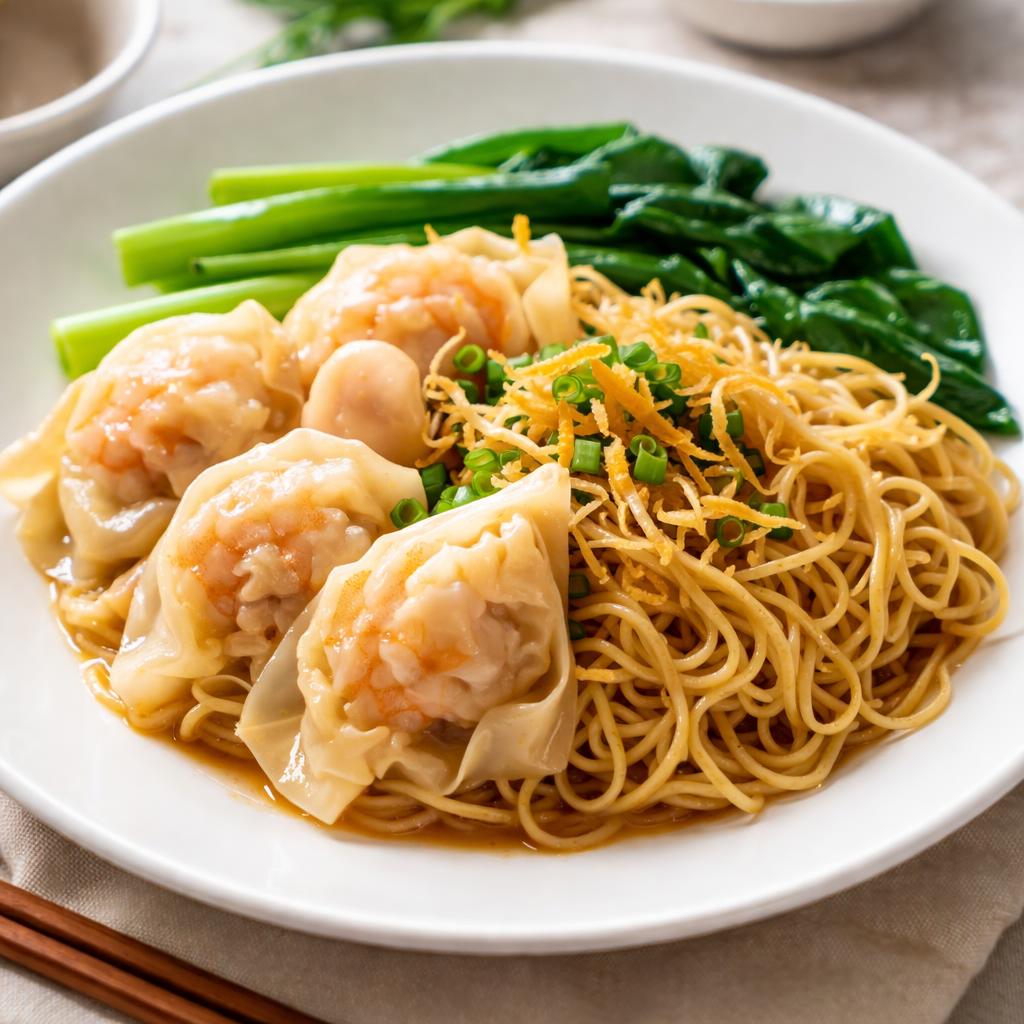
Wonton Noodles
🎯 Quick Verdict
Boiled rice and wonton noodles offer distinct advantages based on nutritional needs. Boiled rice contains fewer calories and higher fiber, making it ideal for weight management and digestion. Wonton noodles provide more protein, suitable for individuals seeking muscle support or sustained energy during the day.

Smart Nutrition Tracking with SnapCalorie

📊 Nutritional Comparison
Macronutrients
| Nutrient | Food 1 | Food 2 | Winner |
|---|---|---|---|
| Calories | 130 | 320 | ✓ |
| Protein | 2.7g | 13g | ✓ |
| Carbs | 28g | 45g | ✓ |
| Fat | 0.3g | 6g | ✓ |
| Fiber | 0.9g | 0.5g | ✓ |
Vitamins & Minerals
| Nutrient | Food 1 | Food 2 | Winner |
|---|---|---|---|
| Vitamin D | 0mcg | 0mcg | − |
| Calcium | 10mg | 40mg | ✓ |
| Iron | 0.2mg | 0.8mg | ✓ |
🏆 Category Winners
Protein
Wonton noodles have 5x more protein than boiled rice.
Fiber
Boiled rice offers nearly twice the fiber content per serving.
Calories
Boiled rice has 59% fewer calories, making it a lighter choice.
Vitamins
Wonton noodles have higher mineral content, including calcium and iron.
🥗 Diet Compatibility
Keto
Food 1: Not Compatible
Food 2: Not Compatible
Both foods are carb-heavy and unsuitable for a ketogenic diet.
Vegan
Food 1: Compatible
Food 2: Not Compatible
Boiled rice is plant-based, while wonton noodles may contain egg or meat-based broth.
Gluten Free
Food 1: Compatible
Food 2: Not Compatible
Rice is naturally gluten-free, but wonton noodles contain wheat.
Paleo
Food 1: Compatible
Food 2: Not Compatible
Rice aligns with paleo guidelines, while wonton noodles are processed.
Low Carb
Food 1: Not Compatible
Food 2: Not Compatible
Both foods are high in carbohydrates and not suitable for low-carb diets.
💪 Health Benefits Comparison
Food 1 Benefits
- Lower calories for weight management
- Low in fat, supporting heart health
- Contains moderate fiber for digestion
Food 2 Benefits
- High protein for muscle maintenance
- Rich in minerals like calcium for bone health
- Sustained energy from balanced macronutrients
✅ The Bottom Line
Choose boiled rice for a lighter, fiber-rich option ideal for weight management and digestion. Opt for wonton noodles if you need higher protein and energy, best for active individuals or post-workout recovery.
Choose Food 1 for: Weight management, vegan diets, gluten-free options
Choose Food 2 for: Energy support, high-protein diets, nutrient density


