Boiled Rice VS Spanish Rice
A detailed nutritional comparison
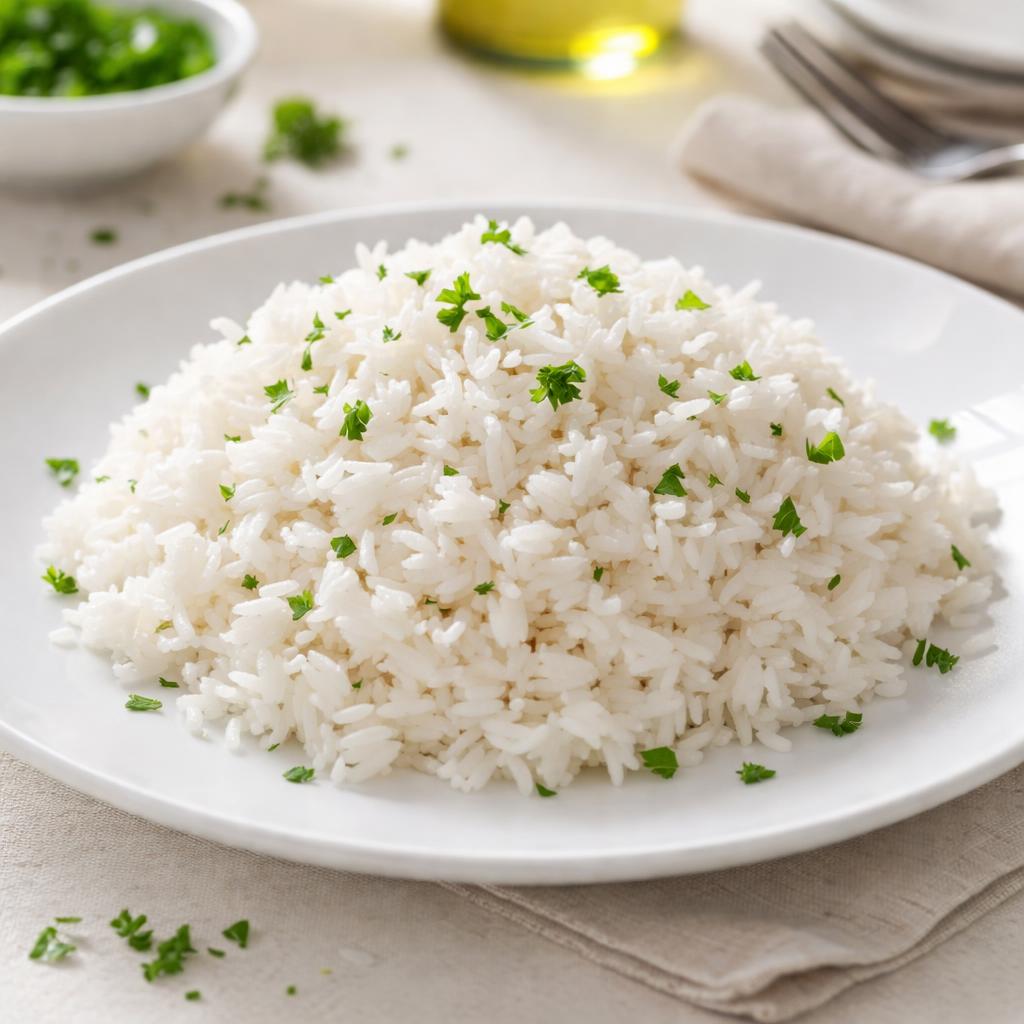
Boiled Rice
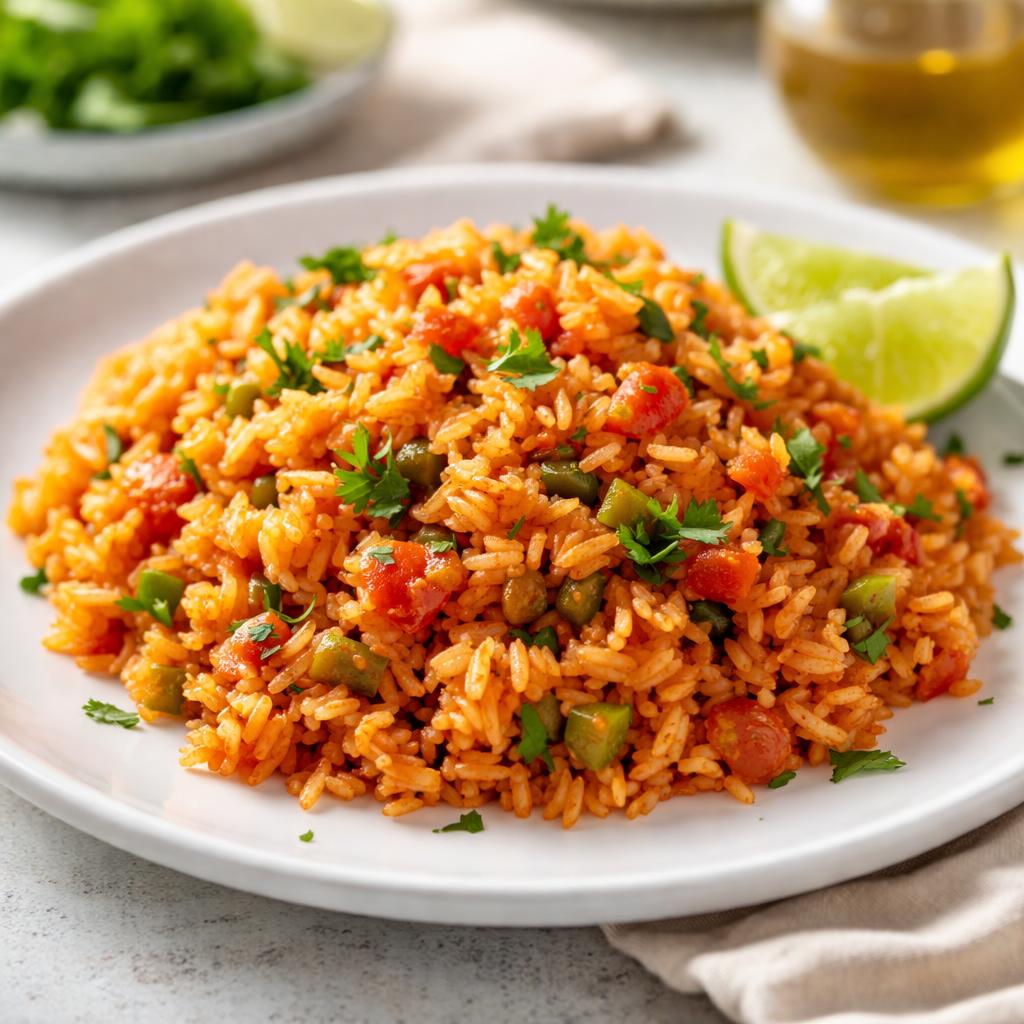
Spanish Rice
🎯 Quick Verdict
Boiled rice is lower in calories and simpler, making it highly versatile for low-calorie meals. Spanish rice, on the other hand, contains more flavor-enhancing ingredients and added fiber, along with slightly higher protein and sodium levels. Choose boiled rice for simplicity and calorie-conscious meals, or Spanish rice for added nutrients and taste complexity.

Smart Nutrition Tracking with SnapCalorie

📊 Nutritional Comparison
Macronutrients
| Nutrient | Food 1 | Food 2 | Winner |
|---|---|---|---|
| Calories | 130 | 200 | ✓ |
| Protein | 2.7g | 2.7g | − |
| Carbs | 28.2g | 29.8g | ✓ |
| Fat | 0.3g | 4g | ✓ |
| Fiber | 0.4g | 2.5g | ✓ |
Vitamins & Minerals
| Nutrient | Food 1 | Food 2 | Winner |
|---|---|---|---|
| Vitamin A | 0IU | 15IU | ✓ |
| Vitamin C | 0mg | 1mg | ✓ |
| Iron | 0.2mg | 1mg | ✓ |
🏆 Category Winners
Protein
Both foods provide 2.7g of protein per serving.
Fiber
Spanish rice contains 2.1g more fiber per serving than boiled rice, helping digestion.
Calories
Boiled rice is 70 calories lighter per serving than Spanish rice.
Vitamins
Spanish rice offers Vitamin A, Vitamin C, and more Iron, making it nutritionally richer overall.
🥗 Diet Compatibility
Keto
Food 1: Not Compatible
Food 2: Not Compatible
Both are high-carb foods unsuitable for keto diets.
Vegan
Food 1: Compatible
Food 2: Compatible
Both foods are plant-based and vegan-friendly.
Gluten Free
Food 1: Compatible
Food 2: Compatible
Neither food contains gluten.
Paleo
Food 1: Not Compatible
Food 2: Not Compatible
Both contain grains, which are not part of the paleo diet.
Low-Carb
Food 1: Not Compatible
Food 2: Not Compatible
Both foods exceed the carb limits for low-carb diets.
💪 Health Benefits Comparison
Food 1 Benefits
- Lower calorie content for weight management
- Provides quick and easily digestible energy
- Versatile base for balanced meals
Food 2 Benefits
- Higher fiber content for gut health
- Contains added micronutrients like Vitamin A and Iron
- Flavorful option that supports satiety and meal appeal
✅ The Bottom Line
Boiled rice is the better choice for weight-loss-focused, simple meals due to its lower calorie content, while Spanish rice is ideal for individuals seeking added fiber, vitamins, and a richer flavor profile. Consider your goals – caloric simplicity for boiled rice, or nutrient density and taste for Spanish rice.
Choose Food 1 for: Calorie-conscious diets, simple meal preparations, low-fat eating
Choose Food 2 for: Fiber-rich diets, flavorful meals, nutrient-dense options


