Boiled Rice VS Riced Cauliflower
A detailed nutritional comparison
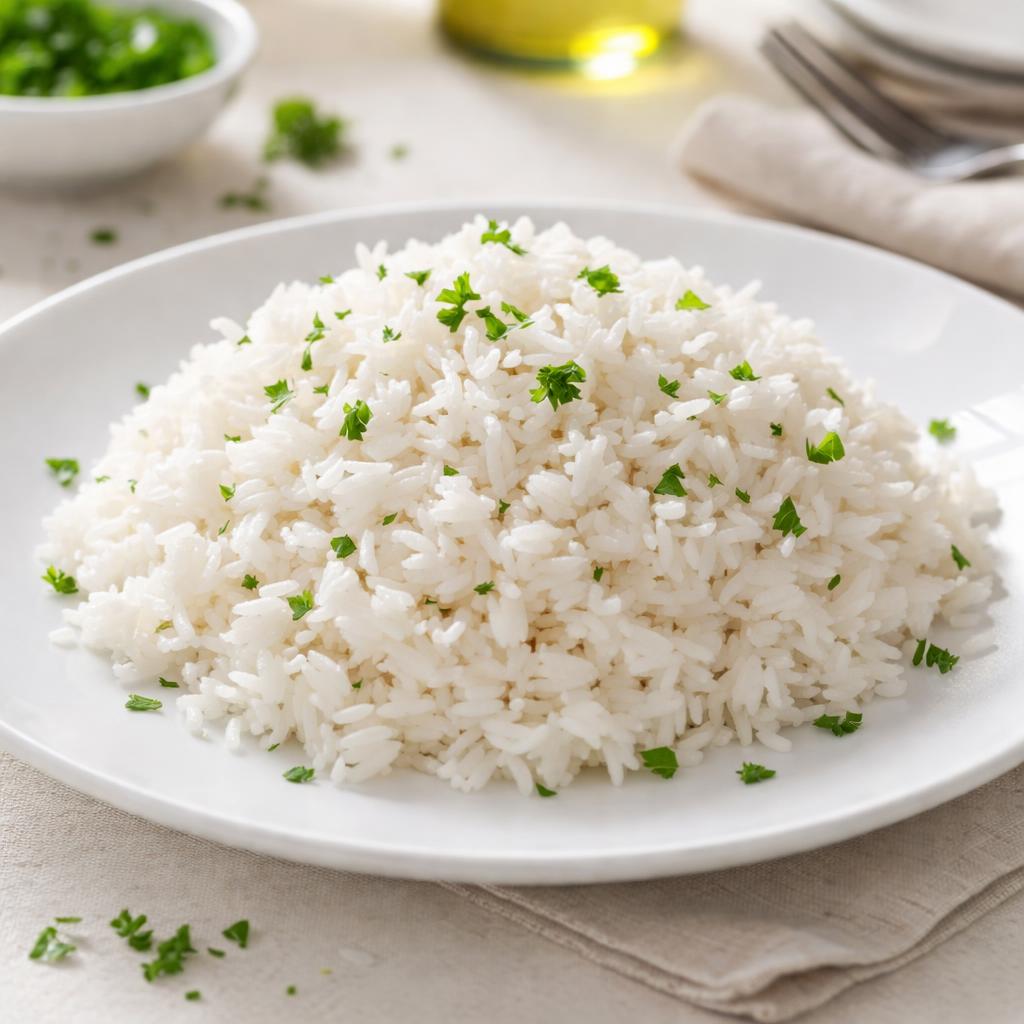
Boiled Rice
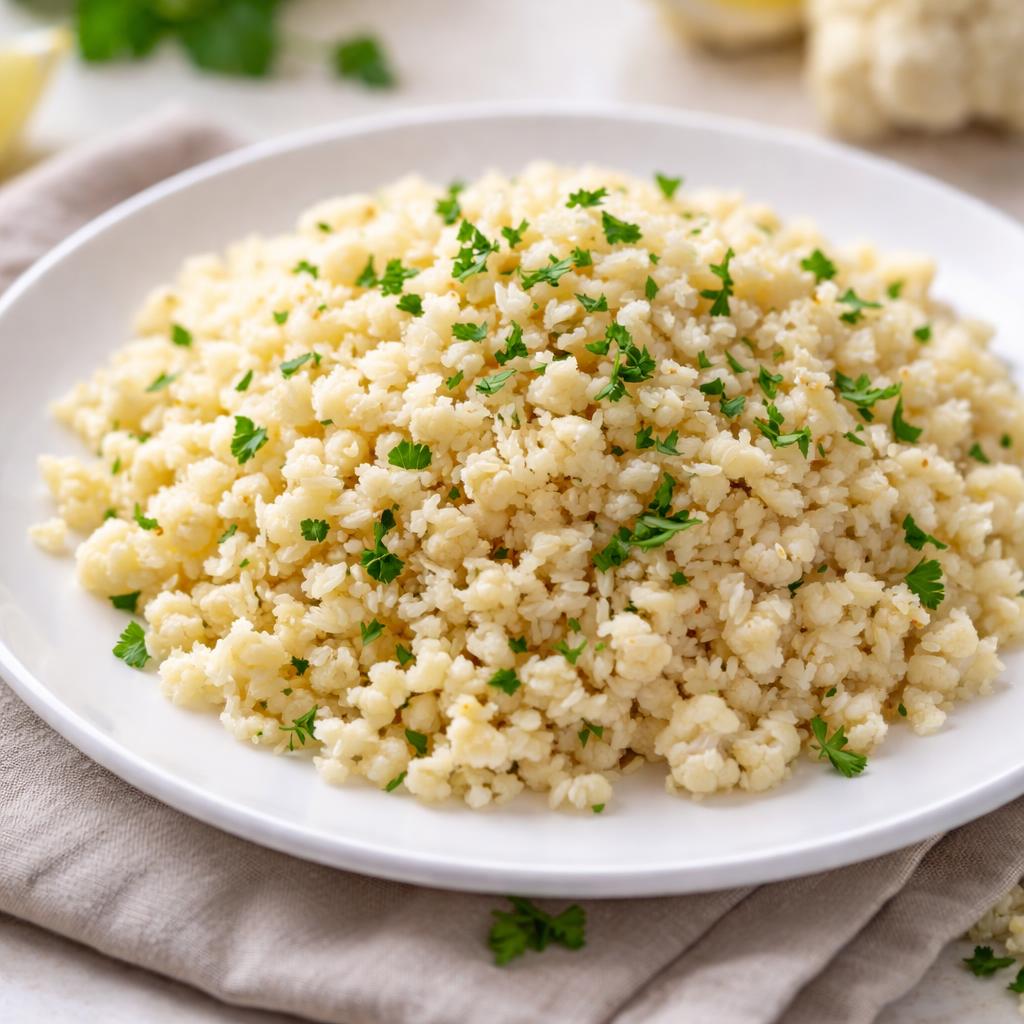
Riced Cauliflower
🎯 Quick Verdict
Riced cauliflower is significantly lower in calories and carbohydrates compared to boiled rice, making it superior for weight loss and low-carb diets. Additionally, cauliflower provides more fiber and some added vitamins, whereas rice is a more energy-dense option better for sustained energy during physical activity.

Smart Nutrition Tracking with SnapCalorie

📊 Nutritional Comparison
Macronutrients
| Nutrient | Food 1 | Food 2 | Winner |
|---|---|---|---|
| Calories | 130 (per 1 cup cooked) | 25 (per 1 cup cooked) | ✓ |
| Protein | 2.7g | 2g | ✓ |
| Carbs | 28g | 5g | ✓ |
| Fat | 0.3g | 0.2g | ✓ |
| Fiber | 0.4g | 2g | ✓ |
Vitamins & Minerals
| Nutrient | Food 1 | Food 2 | Winner |
|---|---|---|---|
| Vitamin C | 0mg | 46mg (77% DV) | ✓ |
| Vitamin K | 0.2mcg | 17mcg (14% DV) | ✓ |
| Potassium | 35mg | 270mg | ✓ |
| Iron | 0.2mg | 0.4mg | ✓ |
🏆 Category Winners
Protein
Boiled rice has slightly more protein per cup (2.7g vs 2g).
Fiber
Riced cauliflower contains 5x more fiber per serving (2g vs 0.4g).
Calories
Riced cauliflower is extremely low in calories, providing 25 calories per cup versus 130 in boiled rice.
Vitamins
Riced cauliflower is rich in Vitamin C, K, and potassium, which are largely absent in boiled rice.
🥗 Diet Compatibility
Keto
Food 1: Not Compatible
Food 2: Compatible
Riced cauliflower is low-carb (5g per cup); boiled rice is high-carb (28g per cup).
Vegan
Food 1: Compatible
Food 2: Compatible
Both are plant-based and suitable for vegan diets.
Gluten Free
Food 1: Compatible
Food 2: Compatible
Neither contains gluten.
Paleo
Food 1: Not Compatible
Food 2: Compatible
Cauliflower meets paleo guidelines, while rice does not.
Low Carb
Food 1: Not Compatible
Food 2: Compatible
Food2 has much lower carbs (5g) than Food1 (28g).
💪 Health Benefits Comparison
Food 1 Benefits
- Good source of quick-digesting energy from carbohydrates
- Low in fat, suitable for low-fat diets
- Provides small amounts of protein
Food 2 Benefits
- Rich in Vitamin C for immune support and antioxidant benefits
- High fiber content supports digestion and satiety
- Low in calories, great for weight loss and calorie control
- Contains potassium for maintaining electrolyte balance
✅ The Bottom Line
Choose riced cauliflower for weight loss, low-carb, or nutrient-dense diets. Opt for boiled rice when you need quick energy for physical activity or prefer a neutral-tasting side dish for calorie-rich meals.
Choose Food 1 for: Quick energy, bulk meal prep, high-carb diets
Choose Food 2 for: Weight loss, nutrient density, low-carb or keto diets


