Boiled Rice VS Raisin Bread
A detailed nutritional comparison
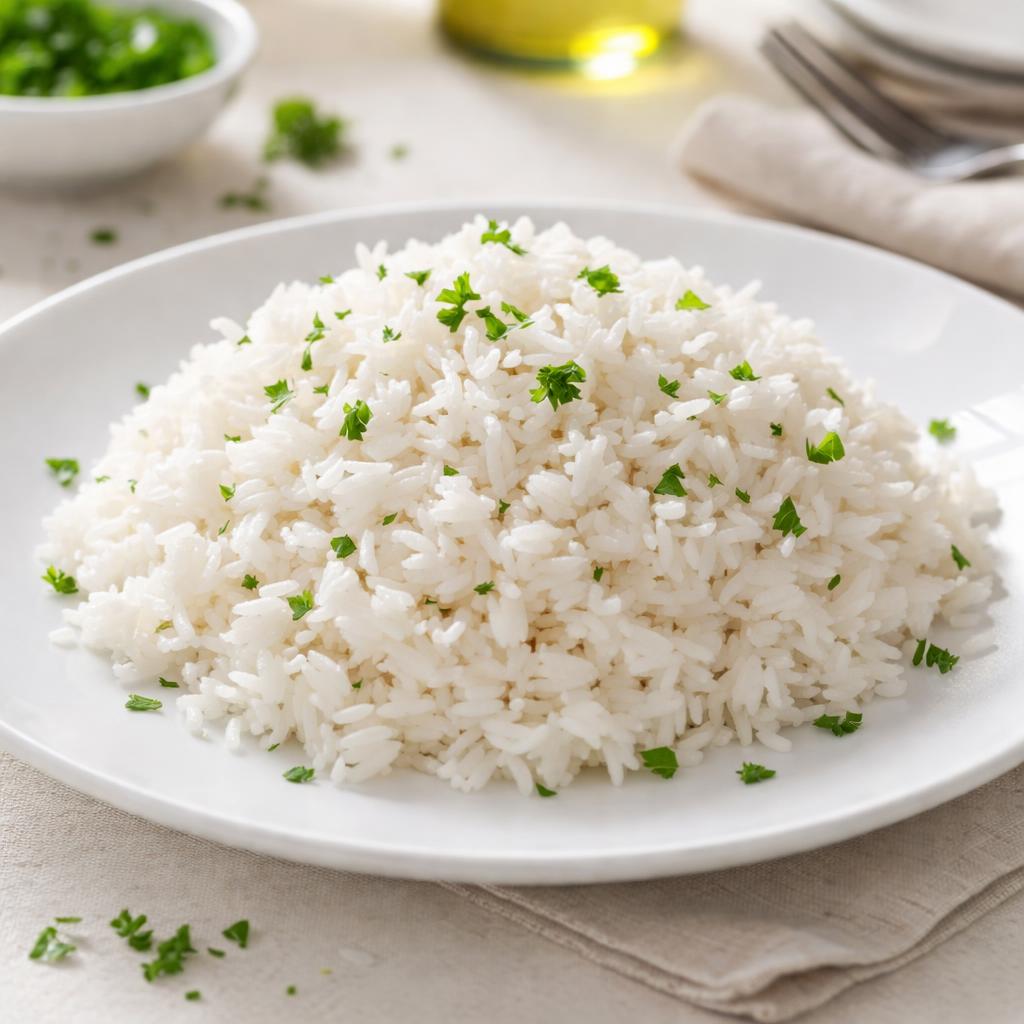
Boiled Rice
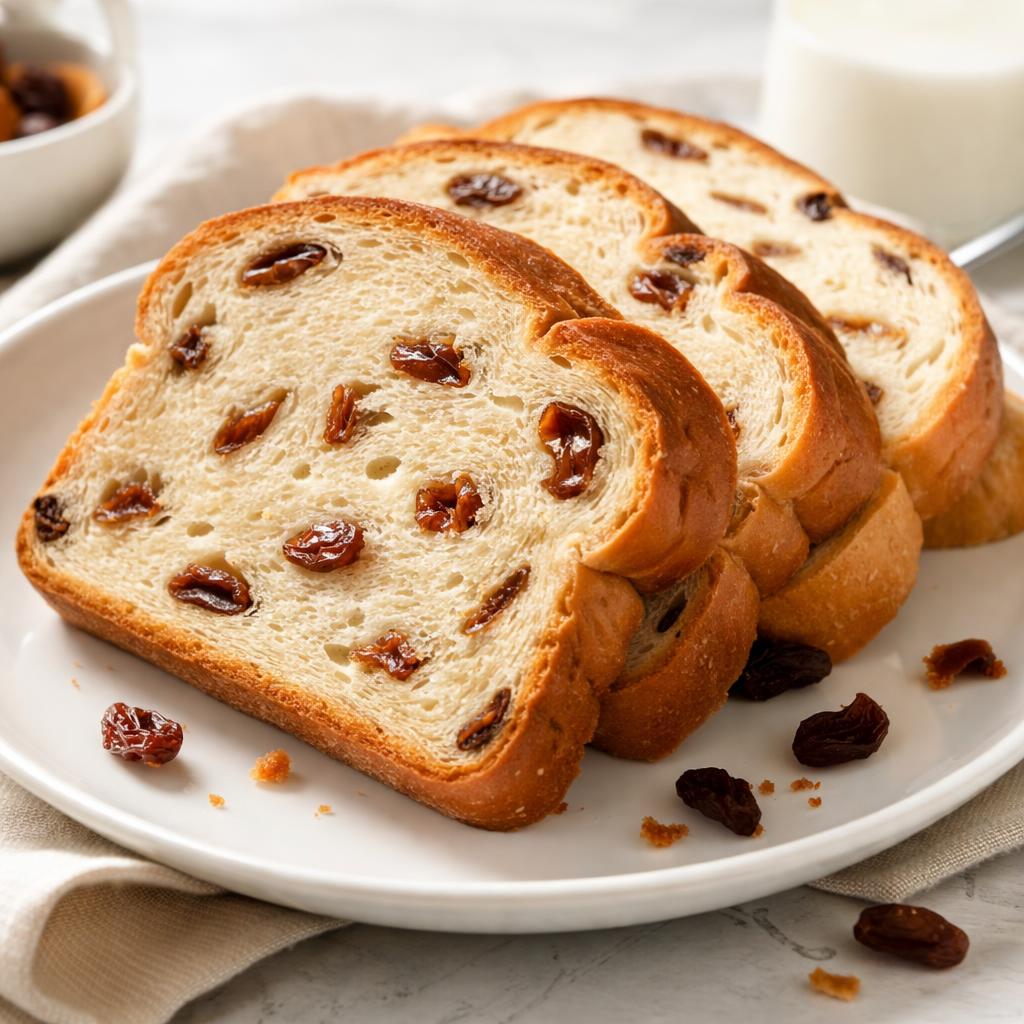
Raisin Bread
🎯 Quick Verdict
Boiled rice and raisin bread offer different nutritional profiles. Boiled rice is lower in calories, higher in protein, and suitable for minimalist diets. Raisin bread provides more fiber, greater energy density, and is a better choice for those seeking micronutrient diversity or quick snack options.

Smart Nutrition Tracking with SnapCalorie

📊 Nutritional Comparison
Macronutrients
| Nutrient | Food 1 | Food 2 | Winner |
|---|---|---|---|
| Calories | 130 | 260 | ✓ |
| Protein | 2.7g | 5g | ✓ |
| Carbs | 28g | 50g | ✓ |
| Fat | 0.3g | 2g | ✓ |
| Fiber | 0.4g | 2g | ✓ |
Vitamins & Minerals
| Nutrient | Food 1 | Food 2 | Winner |
|---|---|---|---|
| Vitamin D | 0mcg | 0mcg | − |
| Calcium | 10mg | 80mg | ✓ |
| Iron | 0.2mg | 1.5mg | ✓ |
🏆 Category Winners
Protein
Raisin bread has nearly double the protein compared to boiled rice.
Fiber
Raisin bread offers five times more fiber.
Calories
Boiled rice has 50% fewer calories per serving compared to raisin bread.
🥗 Diet Compatibility
Keto
Food 1: Not Compatible
Food 2: Not Compatible
Both are high-carb foods, unsuitable for ketogenic diets.
Vegan
Food 1: Compatible
Food 2: Compatible
Both are plant-based products with no animal-derived ingredients.
Gluten Free
Food 1: Compatible
Food 2: Not Compatible
Raisin bread contains gluten, while boiled rice is gluten-free.
Paleo
Food 1: Compatible
Food 2: Not Compatible
Boiled rice aligns well with paleo principles, while raisin bread does not due to grain and sugar content.
Low Carb
Food 1: Not Compatible
Food 2: Not Compatible
Both foods are high in carbohydrates and do not fit low-carb diets.
💪 Health Benefits Comparison
Food 1 Benefits
- Low in fat and calories, aiding weight management
- Provides easily digestible carbohydrates for quick energy
- Naturally gluten-free, suitable for sensitive individuals
Food 2 Benefits
- Rich in fiber for healthy digestion
- Contains calcium and iron for bone health and oxygen transport
- Provides natural sugars from raisins for quick energy bursts
✅ The Bottom Line
Boiled rice is ideal for minimal-calorie meals, simple carb-loading, or gluten-free diets. Raisin bread is better for quick energy snacks, fiber needs, or nutrient diversity. Choose rice for weight loss or cleaner diets, and raisin bread for fiber-rich snacks or more balanced nutrition.
Choose Food 1 for: Weight loss, gluten-free diets, simple carb-loading
Choose Food 2 for: Quick energy, sustained digestion, micronutrient boost


