Boiled Rice VS Plain Rice
A detailed nutritional comparison
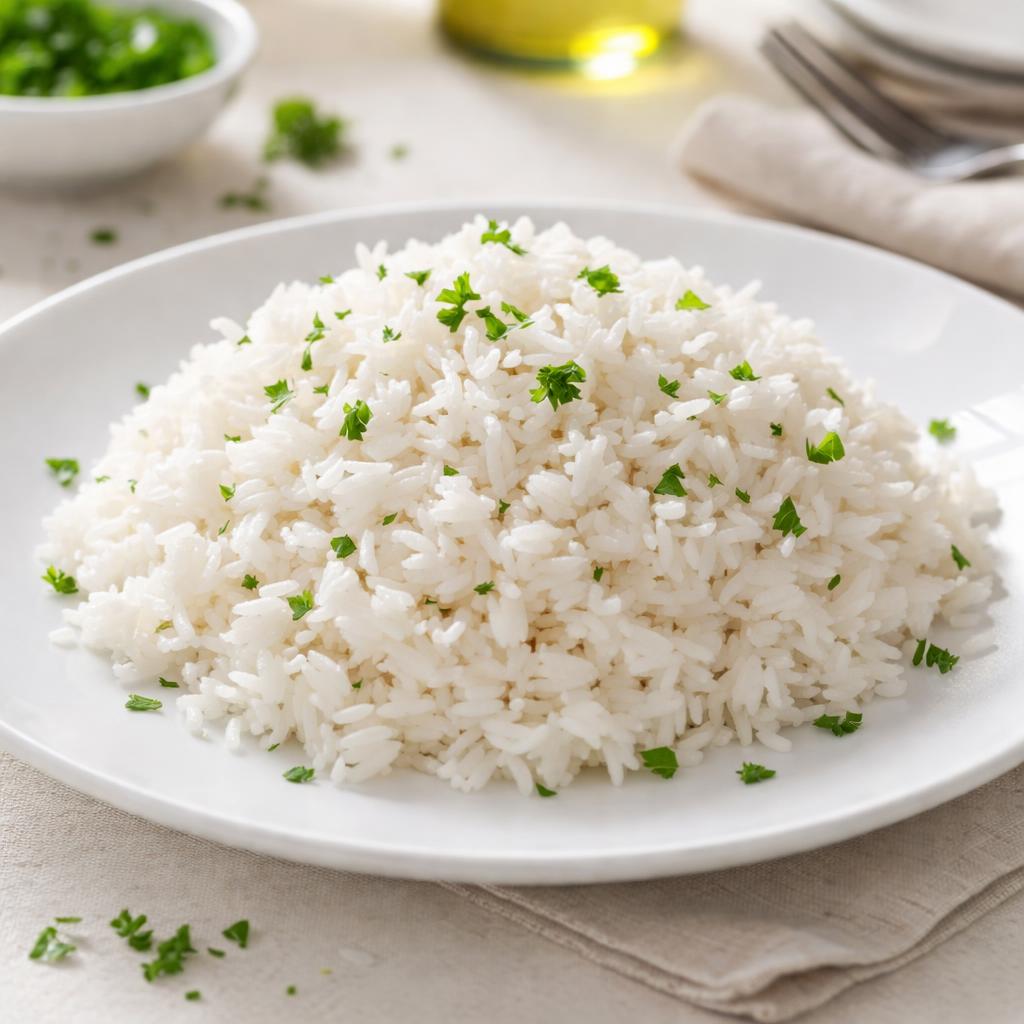
Boiled Rice
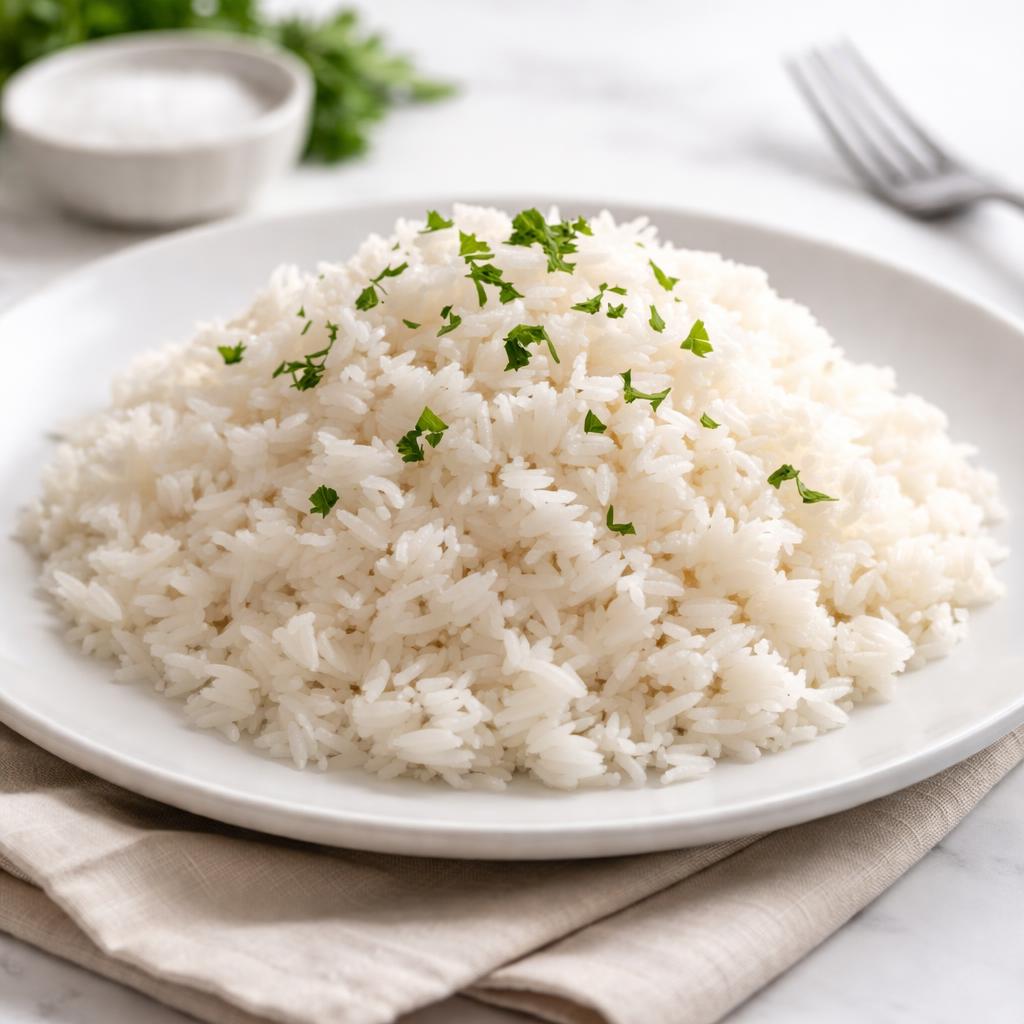
Plain Rice
🎯 Quick Verdict
Boiled rice and plain rice differ primarily in fiber content and ease of digestion. Boiled rice has generally more fiber and vitamins due to less processing, making it nutritionally superior for most diets, while plain rice can offer slightly quicker energy release and simpler preparation in specific cases.

Smart Nutrition Tracking with SnapCalorie

📊 Nutritional Comparison
Macronutrients
| Nutrient | Food 1 | Food 2 | Winner |
|---|---|---|---|
| Calories | 130 per 100g | 130 per 100g | − |
| Protein | 2.7g per 100g | 2.7g per 100g | − |
| Carbs | 28g per 100g | 28g per 100g | − |
| Fat | 0.3g per 100g | 0.2g per 100g | ✓ |
| Fiber | 1g per 100g | 0.4g per 100g | ✓ |
Vitamins & Minerals
| Nutrient | Food 1 | Food 2 | Winner |
|---|---|---|---|
| Vitamin B6 | 0.05mg per 100g | 0.03mg per 100g | ✓ |
| Thiamin (B1) | 0.02mg per 100g | 0.01mg per 100g | ✓ |
| Magnesium | 12mg per 100g | 8mg per 100g | ✓ |
🏆 Category Winners
Protein
Both boiled and plain rice contain identical protein levels per serving.
Fiber
Boiled rice has 60% more dietary fiber than plain rice, aiding digestion.
Calories
Calorie density is identical between boiled and plain rice.
🥗 Diet Compatibility
Keto
Food 1: Not Compatible
Food 2: Not Compatible
Both are high-carb foods and not suitable for keto diets.
Vegan
Food 1: Compatible
Food 2: Compatible
Neither food contains animal products.
Gluten Free
Food 1: Compatible
Food 2: Compatible
Unprocessed rice is naturally gluten-free.
Paleo
Food 1: Compatible
Food 2: Compatible
Both rice types can fit into a paleo diet.
Low-Carb
Food 1: Not Compatible
Food 2: Not Compatible
Rice is inherently high in carbohydrates.
💪 Health Benefits Comparison
Food 1 Benefits
- Higher fiber content for improved digestion
- Contains more vitamins B6 and B1 for energy metabolism
- Slightly higher magnesium to support bone health
Food 2 Benefits
- Rapid energy source due to simpler digestion
- Plain preparation makes it easier to pair with other nutrient-dense foods
- Low fat for heart-healthy cooking options
✅ The Bottom Line
Boiled rice is the better option for those seeking higher fiber and micronutrient content, while plain rice can be chosen for simplicity and ease of pairing with other dishes. Both are equal in protein and calorie counts, making them versatile staples depending on dietary priorities.
Choose Food 1 for: Digestive health, nutrient retention, energy sustenance
Choose Food 2 for: Quick prep, flexible pairing, immediate energy boosts


