Boiled Rice VS Parboiled Rice
A detailed nutritional comparison
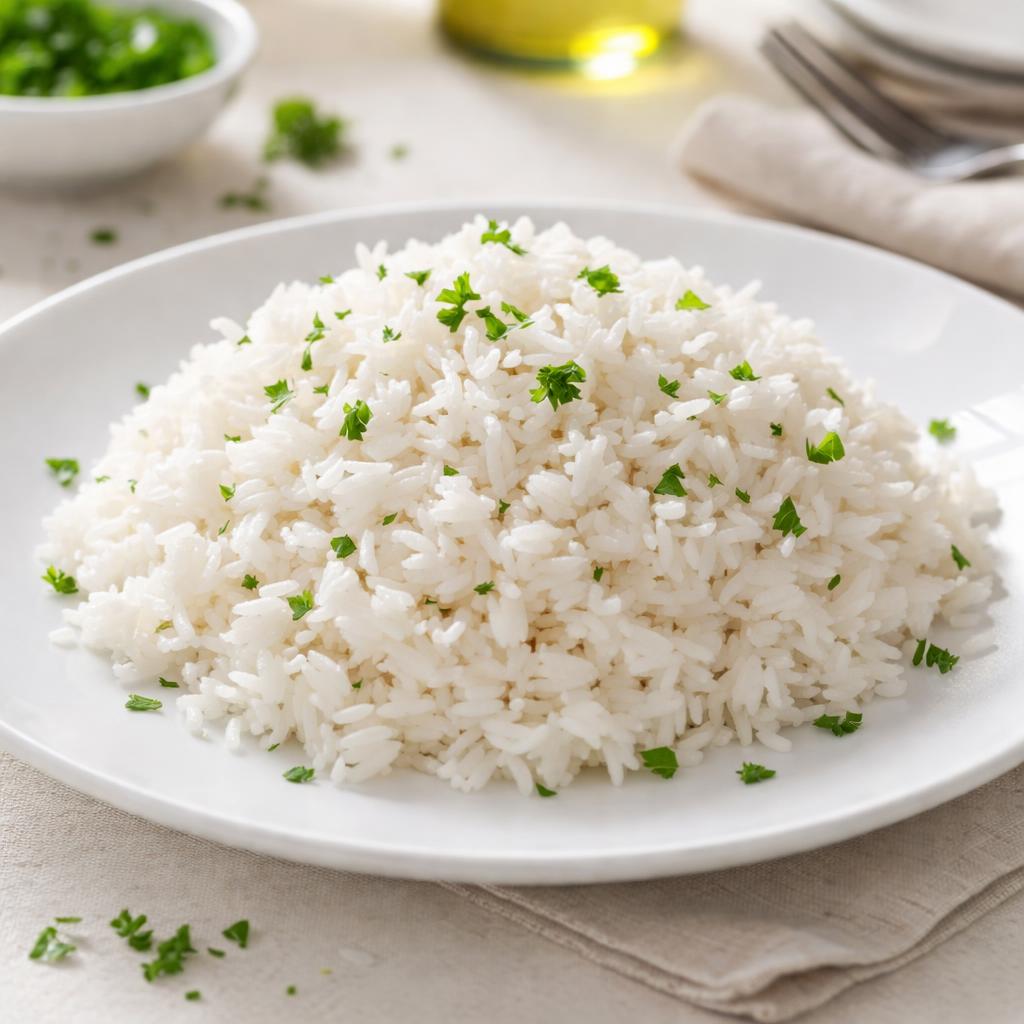
Boiled Rice
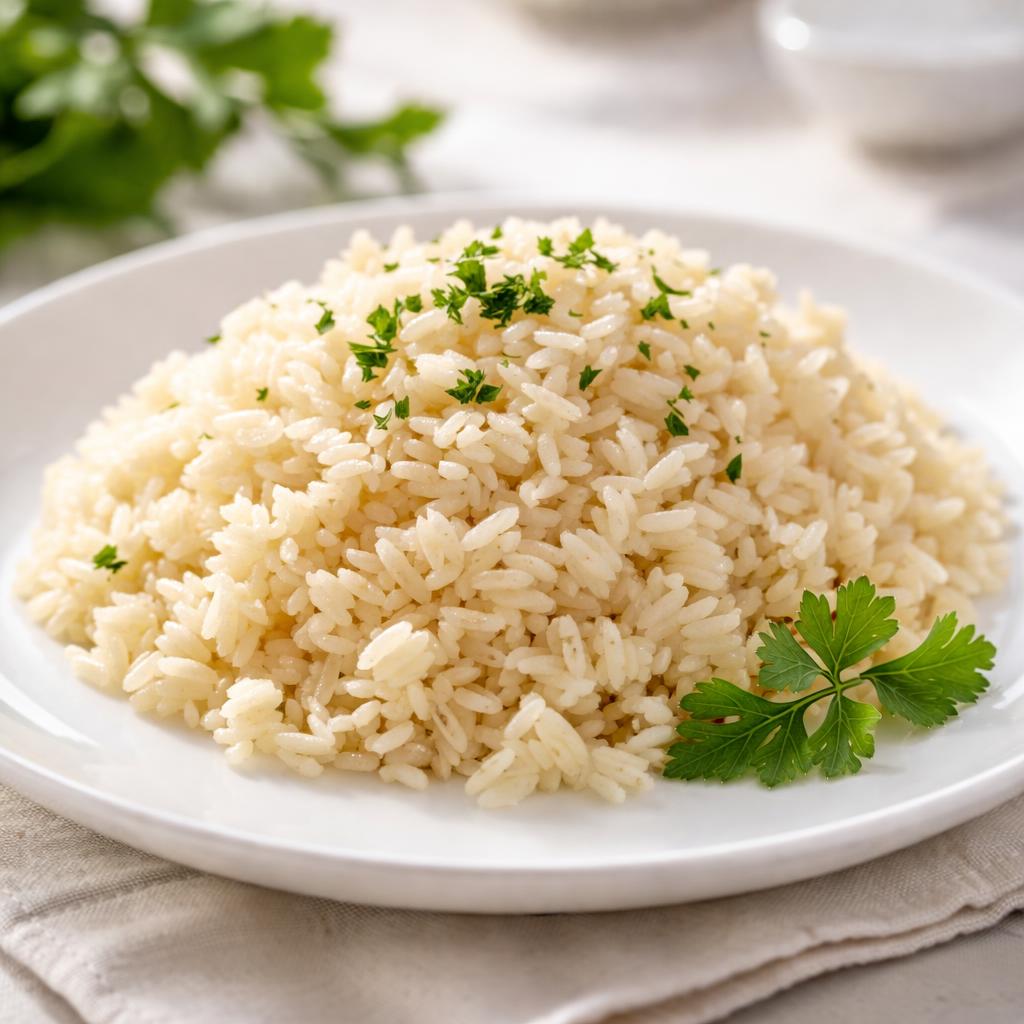
Parboiled Rice
🎯 Quick Verdict
Parboiled rice outshines boiled rice in protein and fiber content, making it a more nutrient-dense option. Both have similar calories, but parboiled rice retains more vitamins and minerals through its unique processing method. Boiled rice works well for quick digestion and simplicity, while parboiled rice is better for sustained energy and added nutrients.

Smart Nutrition Tracking with SnapCalorie

📊 Nutritional Comparison
Macronutrients
| Nutrient | Food 1 | Food 2 | Winner |
|---|---|---|---|
| Calories | 130 calories per 100g | 130 calories per 100g | − |
| Protein | 2.7g | 3.5g | − |
| Carbs | 28g | 25.6g | − |
| Fat | 0.3g | 0.4g | − |
| Fiber | 0.2g | 1.4g | − |
Vitamins & Minerals
| Nutrient | Food 1 | Food 2 | Winner |
|---|---|---|---|
| Vitamin B1 (Thiamin) | 0.02mg | 0.22mg | − |
| Folate (Vitamin B9) | 4mcg | 58mcg | − |
| Iron | 0.2mg | 0.6mg | − |
🏆 Category Winners
Protein
Parboiled rice has 30% more protein compared to boiled rice.
Fiber
Parboiled rice contains significantly more fiber (1.4g vs 0.2g).
Calories
Both boiled and parboiled rice provide similar calories per serving.
Vitamins
Parboiled rice retains more B vitamins, like thiamin and folate, through its processing.
🥗 Diet Compatibility
Keto
Food 1: Not Compatible
Food 2: Not Compatible
Both are high-carb foods and not suitable for keto diets.
Vegan
Food 1: Compatible
Food 2: Compatible
Both are plant-based and fit vegan diets.
Gluten Free
Food 1: Compatible
Food 2: Compatible
Neither contains gluten, making them safe for gluten-free diets.
Paleo
Food 1: Not Compatible
Food 2: Not Compatible
Rice is generally excluded from paleo diets.
Low-Carb
Food 1: Not Compatible
Food 2: Not Compatible
Both are high in carbohydrates and not suitable for low-carb diets.
💪 Health Benefits Comparison
Food 1 Benefits
- Easy to digest, making it suitable for sensitive stomachs
- Provides quick energy through carbohydrates
- Minimal fat content for weight management
Food 2 Benefits
- Higher protein content supports muscle maintenance
- Rich in B vitamins and minerals for improved metabolic health
- Provides fiber for better digestion and blood sugar control
✅ The Bottom Line
Parboiled rice is nutritionally superior, offering more protein, fiber, and vitamins compared to boiled rice. However, boiled rice is easier to digest and suitable for simpler meals. Choose boiled rice for quick recovery meals or sensitive stomachs, and parboiled rice for nutrient-dense and slow-energy-releasing meals.
Choose Food 1 for: Sensitive stomachs, quick digestion, easy recipes
Choose Food 2 for: Sustained energy, balanced nutrition, higher fiber and vitamins intake


