Boiled Rice VS Garlic Rice
A detailed nutritional comparison
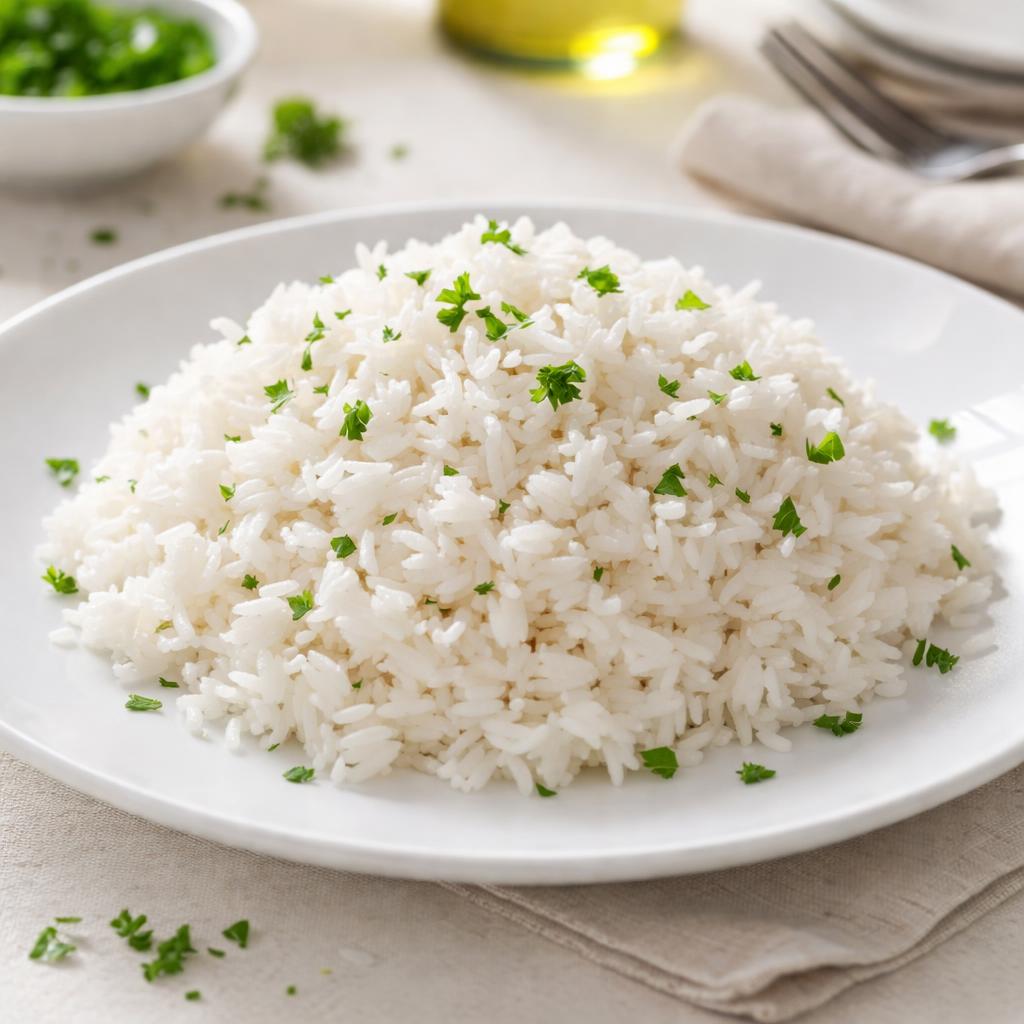
Boiled Rice
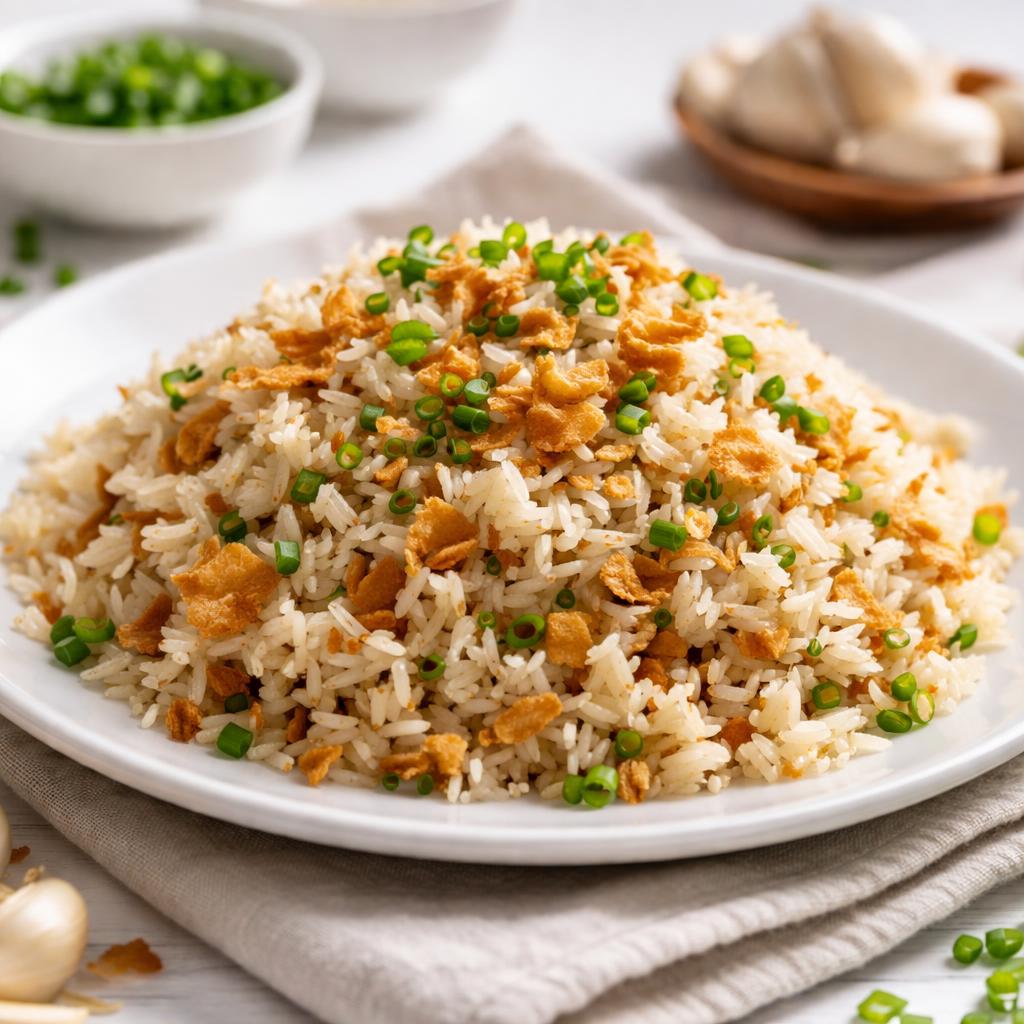
Garlic Rice
🎯 Quick Verdict
Boiled rice is simpler and lower in calories compared to garlic rice, making it a better choice for weight management and low-calorie diets. Garlic rice offers moderate flavor-enhancement and additional nutritional benefits like slightly higher protein and fiber, but comes at the cost of additional calories and fat due to oil and garlic used in preparation.

Smart Nutrition Tracking with SnapCalorie

📊 Nutritional Comparison
Macronutrients
| Nutrient | Food 1 | Food 2 | Winner |
|---|---|---|---|
| Calories | 130 | 200 | ✓ |
| Protein | 2.5g | 3g | ✓ |
| Carbs | 28g | 26g | ✓ |
| Fat | 0.3g | 6g | ✓ |
| Fiber | 0.5g | 1g | ✓ |
Vitamins & Minerals
| Nutrient | Food 1 | Food 2 | Winner |
|---|---|---|---|
| Vitamin C | 0mg | 1mg | ✓ |
| Calcium | 10mg | 12mg | ✓ |
| Iron | 0.3mg | 0.4mg | ✓ |
🏆 Category Winners
Protein
Garlic rice has slightly higher protein due to garlic and oil used in preparation.
Fiber
Garlic rice contains twice as much fiber as boiled rice.
Calories
Boiled rice is lower-calorie due to minimal cooking ingredients.
🥗 Diet Compatibility
Keto
Food 1: Not Compatible
Food 2: Not Compatible
Both foods are high in carbohydrates and unsuitable for keto diets.
Vegan
Food 1: Compatible
Food 2: Compatible
Both are plant-based if garlic rice is made with vegan oil.
Gluten Free
Food 1: Compatible
Food 2: Compatible
Neither contains gluten.
Paleo
Food 1: Compatible
Food 2: Not Compatible
Boiled rice is closer to paleo principles; garlic rice may include processed oils.
Low Carb
Food 1: Not Compatible
Food 2: Not Compatible
Both are carb-heavy options.
💪 Health Benefits Comparison
Food 1 Benefits
- Low-calorie, great for weight management
- Provides quick energy from carbohydrates
- Simple and easy to digest
Food 2 Benefits
- Contains additional fiber for digestion
- Boosts flavor and nutrient density with garlic
- Provides heart-healthy monounsaturated fats from cooking oil
✅ The Bottom Line
Boiled rice is ideal for those seeking a simple, lower-calorie option without added fats. Garlic rice, while flavorful, is higher in calories and fat, making it better suited for those who prioritize taste and energy over calorie control.
Choose Food 1 for: Weight loss, plain and simple meals, low-fat diets
Choose Food 2 for: Flavor enhancement, heart health, energy for active lifestyles


