Boiled Rice VS Egg Noodles
A detailed nutritional comparison
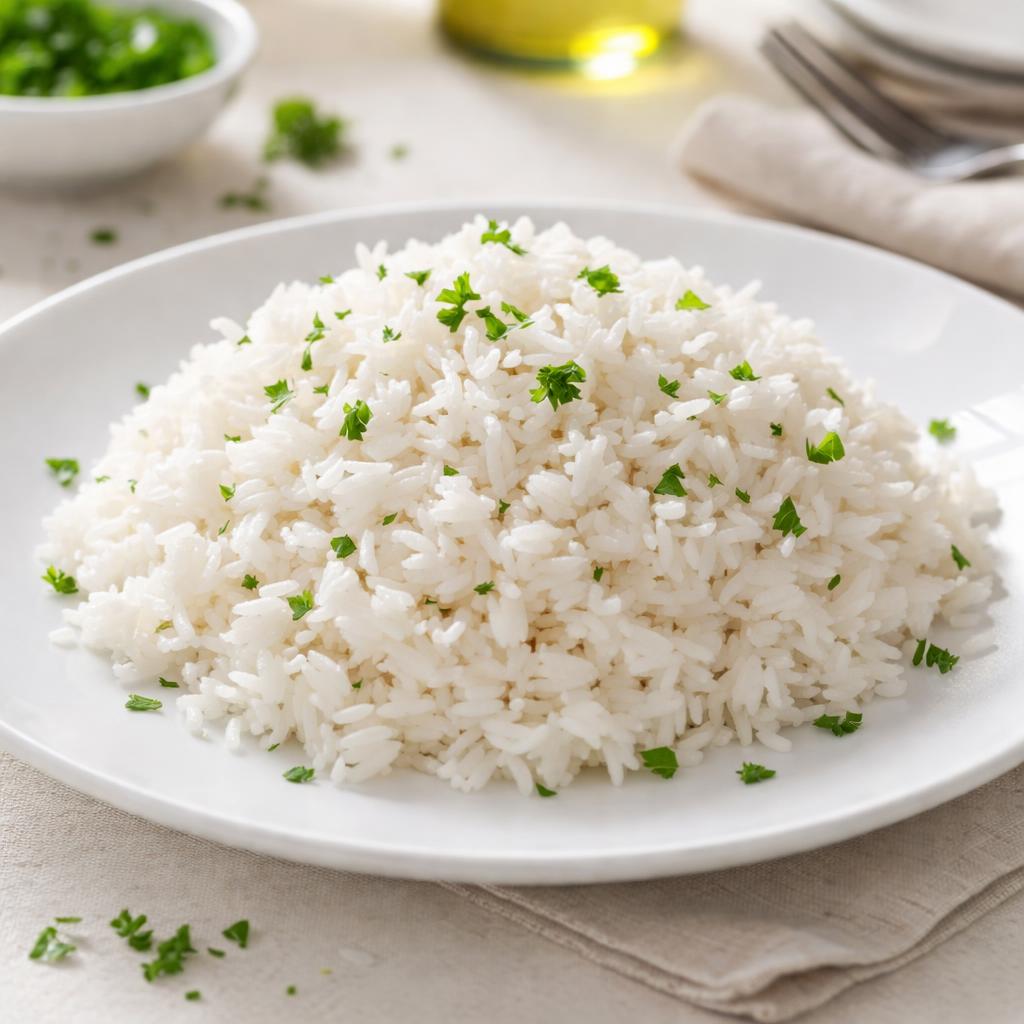
Boiled Rice
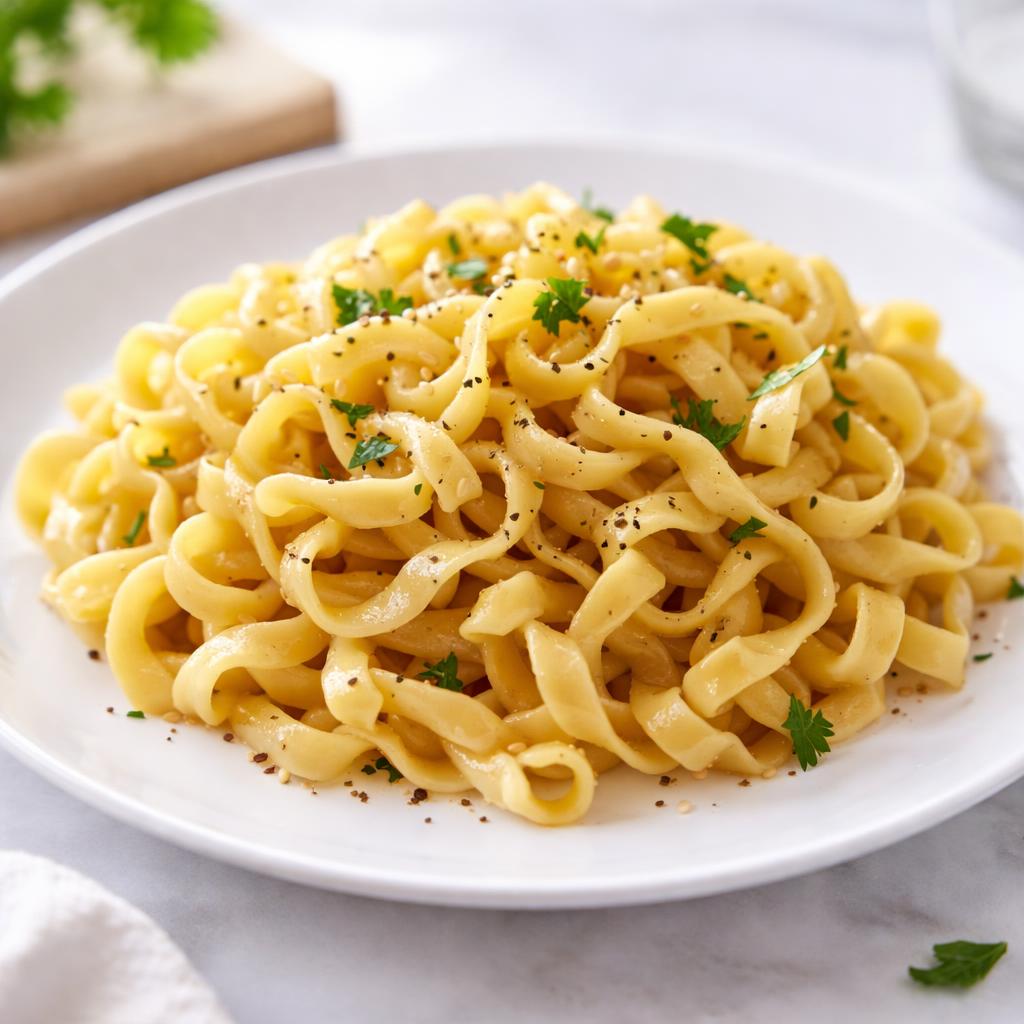
Egg Noodles
🎯 Quick Verdict
While boiled rice is lower in calories and higher in fiber, egg noodles provide nearly double the protein and are more nutrient-dense with vitamins and minerals. Boiled rice is ideal for calorie-conscious meals, whereas egg noodles suit individuals seeking a more protein-packed and energy-sustaining option.

Smart Nutrition Tracking with SnapCalorie

📊 Nutritional Comparison
Macronutrients
| Nutrient | Food 1 | Food 2 | Winner |
|---|---|---|---|
| Calories | 130 (per 100g) | 200 (per 100g) | ✓ |
| Protein | 2.7g | 7g | ✓ |
| Carbs | 28.2g | 27g | ✓ |
| Fat | 0.3g | 3g | ✓ |
| Fiber | 0.5g | 0.3g | ✓ |
Vitamins & Minerals
| Nutrient | Food 1 | Food 2 | Winner |
|---|---|---|---|
| Vitamin B12 | 0mcg | 1mcg | ✓ |
| Iron | 0.2mg | 1.1mg | ✓ |
| Calcium | 10mg | 18mg | ✓ |
🏆 Category Winners
Protein
Egg noodles have over twice the protein compared to boiled rice, making them better for muscle development and repair.
Fiber
Boiled rice contains slightly more fiber, supporting better digestion.
Calories
Boiled rice is 35% lower in calories, ideal for weight management.
🥗 Diet Compatibility
Keto
Food 1: Not Compatible
Food 2: Not Compatible
Both are high-carb foods unsuitable for a ketogenic diet.
Vegan
Food 1: Compatible
Food 2: Not Compatible
Boiled rice is plant-based, while egg noodles typically contain eggs.
Gluten Free
Food 1: Compatible
Food 2: Not Compatible
Boiled rice is naturally gluten-free, whereas egg noodles generally contain wheat.
Paleo
Food 1: Compatible
Food 2: Not Compatible
Boiled rice aligns with some paleo principles, but egg noodles with added ingredients do not.
Low Carb
Food 1: Not Compatible
Food 2: Not Compatible
Both foods have high carbohydrate content.
💪 Health Benefits Comparison
Food 1 Benefits
- Low in calories, beneficial for weight management
- Natural gluten-free option
- Easy to digest, ideal for sensitive stomachs
Food 2 Benefits
- Higher protein content supports muscle maintenance
- Contains B vitamins for energy production
- Rich in iron for oxygen transport in the body
✅ The Bottom Line
Choose boiled rice when prioritizing a low-calorie, fiber-rich, or gluten-free option; it’s ideal for light meals and weight-conscious diets. Opt for egg noodles for a more protein-dense choice, especially if seeking sustained energy or muscle recovery nutrients.
Choose Food 1 for: Low-calorie diets, gluten-free requirements, easy digestion
Choose Food 2 for: High-protein diets, muscle repair, balanced nutrient intake


