Boiled Rice VS Cooked Basmati Rice
A detailed nutritional comparison
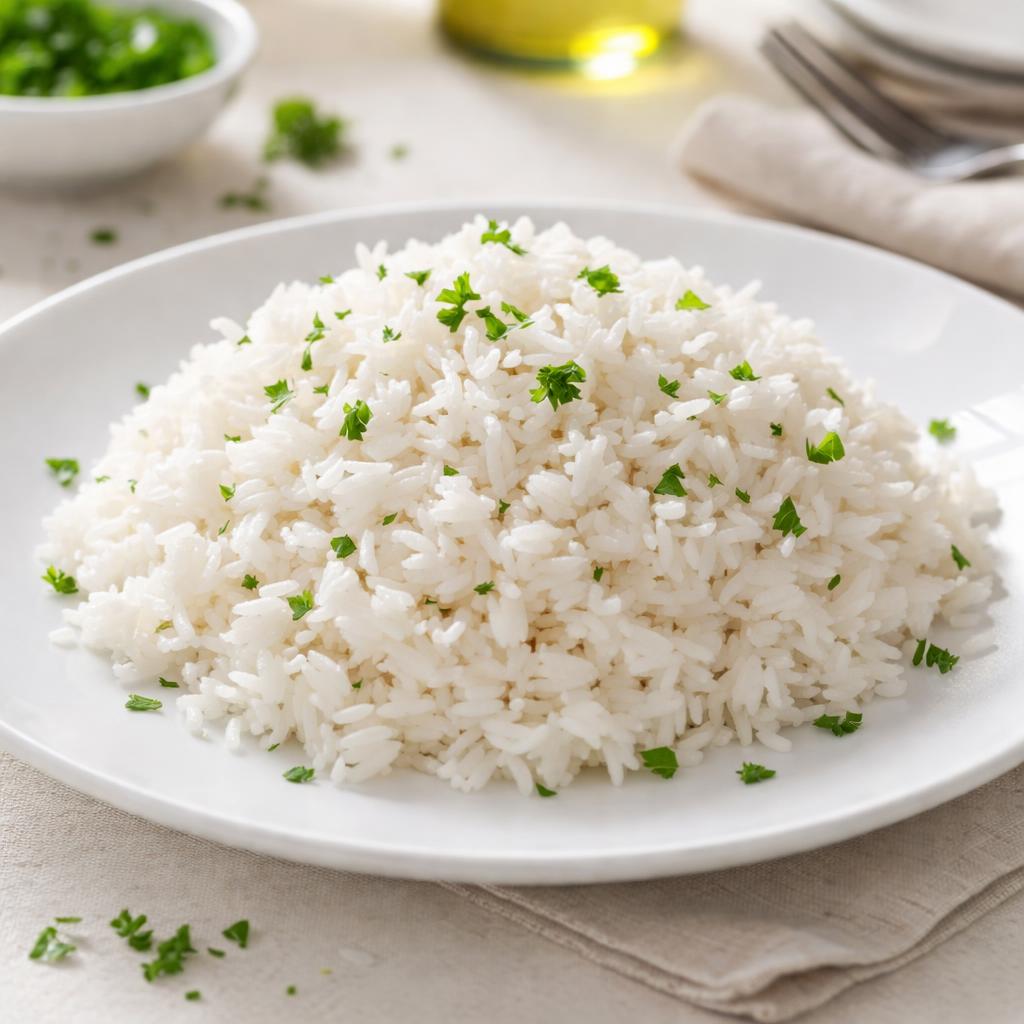
Boiled Rice
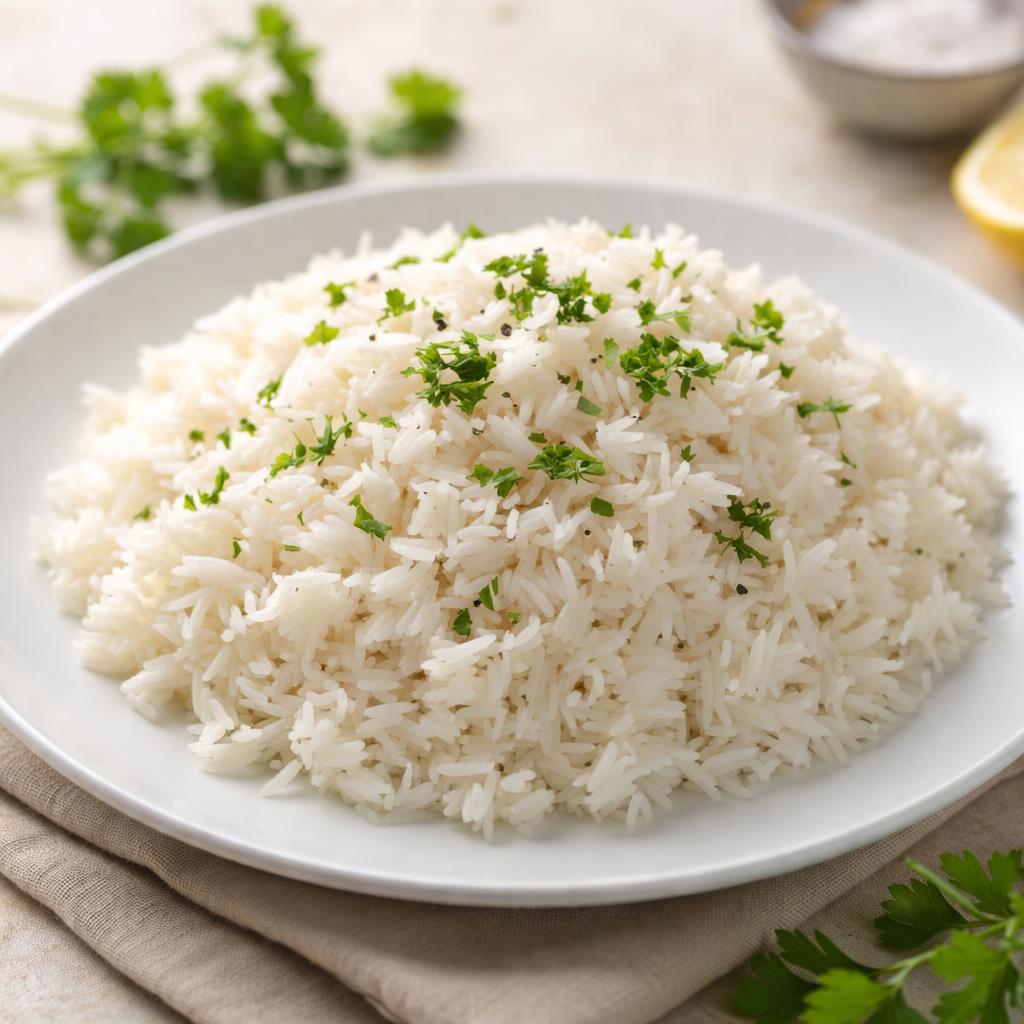
Cooked Basmati Rice
🎯 Quick Verdict
Boiled rice and cooked basmati rice are broadly similar in their nutritional profiles, although boiled rice offers slightly fewer calories and slightly more fiber. Basmati rice provides a distinct aroma and flavor, which may suit certain dishes better. Both are excellent carb sources, but boiled rice may be preferable for calorie-conscious diets while basmati rice adds variety to meals with its fragrance.

Smart Nutrition Tracking with SnapCalorie

📊 Nutritional Comparison
Macronutrients
| Nutrient | Food 1 | Food 2 | Winner |
|---|---|---|---|
| Calories | 130 | 150 | ✓ |
| Protein | 2.7g | 2.8g | − |
| Carbs | 28g | 33g | ✓ |
| Fat | 0.3g | 0.5g | ✓ |
| Fiber | 0.9g | 0.7g | ✓ |
Vitamins & Minerals
| Nutrient | Food 1 | Food 2 | Winner |
|---|---|---|---|
| Vitamin B1 (Thiamin) | 0.09mg | 0.07mg | ✓ |
| Vitamin B6 | 0.07mg | 0.05mg | ✓ |
| Iron | 0.2mg | 0.1mg | ✓ |
🏆 Category Winners
Protein
Both foods provide very similar amounts of protein per serving.
Fiber
Boiled rice contains slightly more fiber, aiding digestion.
Calories
Boiled rice has around 13% fewer calories per serving compared to basmati rice.
🥗 Diet Compatibility
Keto
Food 1: Not Compatible
Food 2: Not Compatible
Both are high in carbohydrates.
Vegan
Food 1: Compatible
Food 2: Compatible
Both are derived from plants and have no animal products.
Gluten Free
Food 1: Compatible
Food 2: Compatible
Neither contains gluten, making them suitable for gluten-free diets.
Paleo
Food 1: Not Compatible
Food 2: Not Compatible
Rice is a grain, which is not allowed in paleo diets.
Low Carb
Food 1: Not Compatible
Food 2: Not Compatible
Both contain high amounts of carbohydrates and are not suitable for low-carb diets.
💪 Health Benefits Comparison
Food 1 Benefits
- Lower in calories for weight management
- Contains more fiber for improved digestion
- Provides small amounts of key B-vitamins
Food 2 Benefits
- Distinct aroma and flavor suitable for diverse cuisines
- Slightly richer carbohydrate content for sustained energy
- Good source of essential minerals like magnesium
✅ The Bottom Line
Both boiled rice and cooked basmati rice are nutritious carb sources. Choose boiled rice for lower calorie meals and improved digestion due to slightly higher fiber content. Opt for basmati rice when flavor is key, especially for dishes requiring aromatic rice varieties.
Choose Food 1 for: Low-calorie meals, improved digestion, general meal prep
Choose Food 2 for: Flavorful dishes, energy-dense meals, versatile cuisine


