Black Rice VS Red Rice
A detailed nutritional comparison
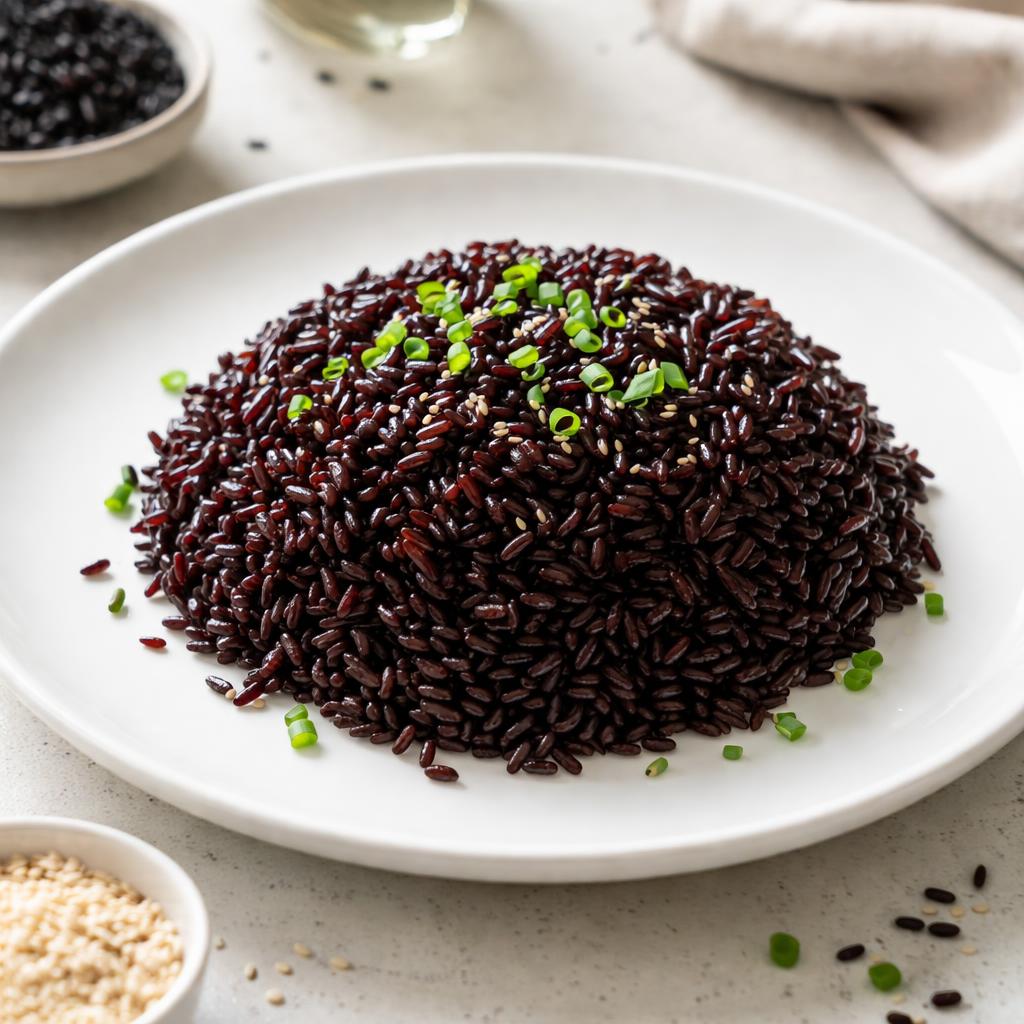
Black Rice
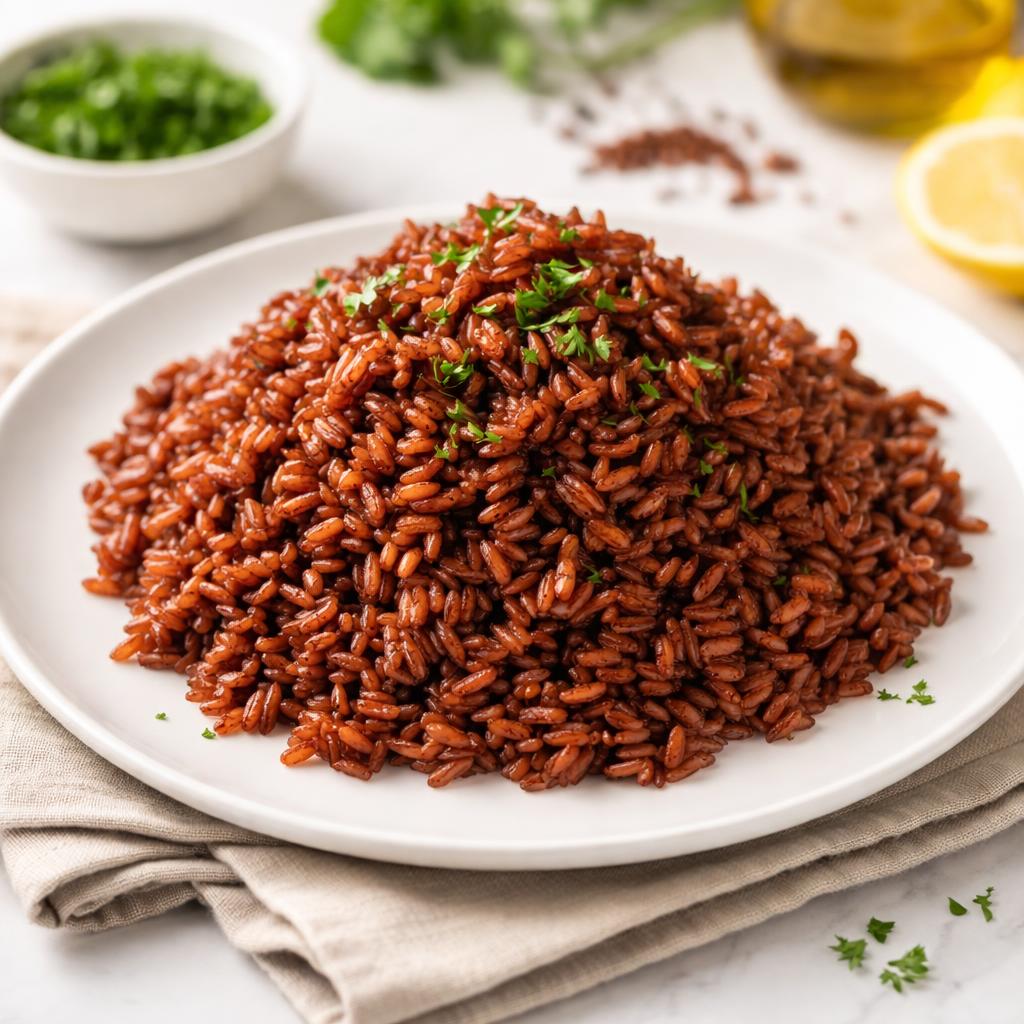
Red Rice
🎯 Quick Verdict
Black rice and red rice are both nutrient-dense whole grains, but black rice edges out with slightly higher protein, fiber, and lower calories per serving. Red rice is rich in antioxidants and minerals, making it excellent for heart health. Both are great options for adding variety to whole-grain meals, but black rice may be better suited for weight-conscious or protein-focused diets, while red rice offers unique benefits for overall health due to its antioxidant profile.

Smart Nutrition Tracking with SnapCalorie

📊 Nutritional Comparison
Macronutrients
| Nutrient | Food 1 | Food 2 | Winner |
|---|---|---|---|
| Calories | 160 | 200 | − |
| Protein | 5g | 4g | − |
| Carbs | 34g | 42g | − |
| Fat | 1.2g | 1.5g | − |
| Fiber | 3g | 2g | − |
Vitamins & Minerals
| Nutrient | Food 1 | Food 2 | Winner |
|---|---|---|---|
| Vitamin B6 | 0.2mg | 0.25mg | − |
| Iron | 1.8mg | 2mg | − |
| Magnesium | 91mg | 123mg | − |
| Zinc | 1mg | 1.2mg | − |
🏆 Category Winners
Protein
Black rice provides 25% more protein per serving.
Fiber
Black rice contains 50% more fiber, supporting digestion.
Calories
Black rice has 20% fewer calories, making it lighter.
Vitamins
Red rice provides more iron, magnesium, and zinc.
🥗 Diet Compatibility
Keto
Food 1: Not Compatible
Food 2: Not Compatible
Both are high-carb foods unsuitable for keto diets.
Vegan
Food 1: Compatible
Food 2: Compatible
Both are plant-based grains.
Gluten Free
Food 1: Compatible
Food 2: Compatible
Neither contains gluten.
Paleo
Food 1: Not Compatible
Food 2: Not Compatible
Grains are excluded from traditional paleo diets.
Low Carb
Food 1: Partially Compatible
Food 2: Not Compatible
Black rice is relatively lower in carbs but still not suitable for strict low-carb diets.
💪 Health Benefits Comparison
Food 1 Benefits
Food 2 Benefits
✅ The Bottom Line
Choose black rice for higher protein, fiber, and lower calorie content, making it ideal for weight management or high-protein diets. Red rice is better for boosting mineral intake and heart health due to its superior antioxidant and micronutrient profile. Both are excellent whole grains for balanced diets.


