Black Rice VS Couscous Salad
A detailed nutritional comparison
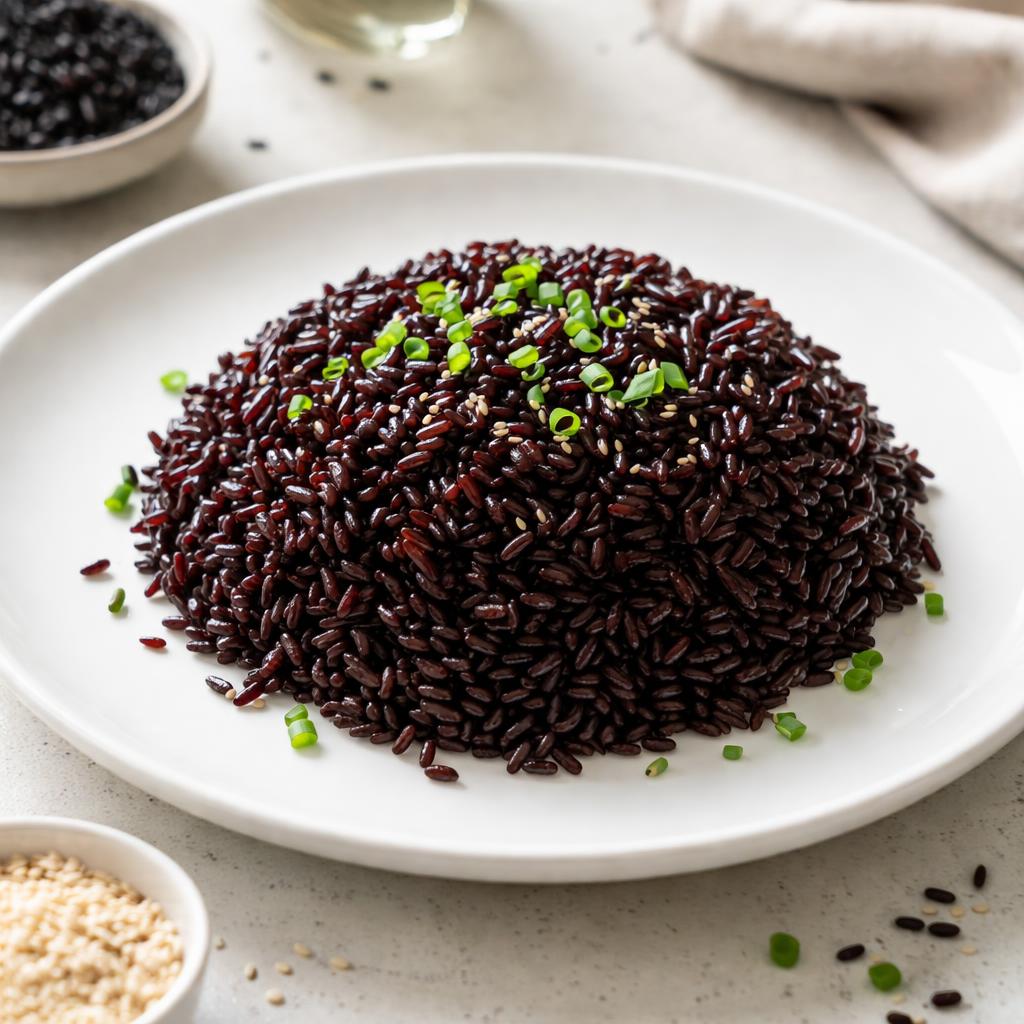
Black Rice
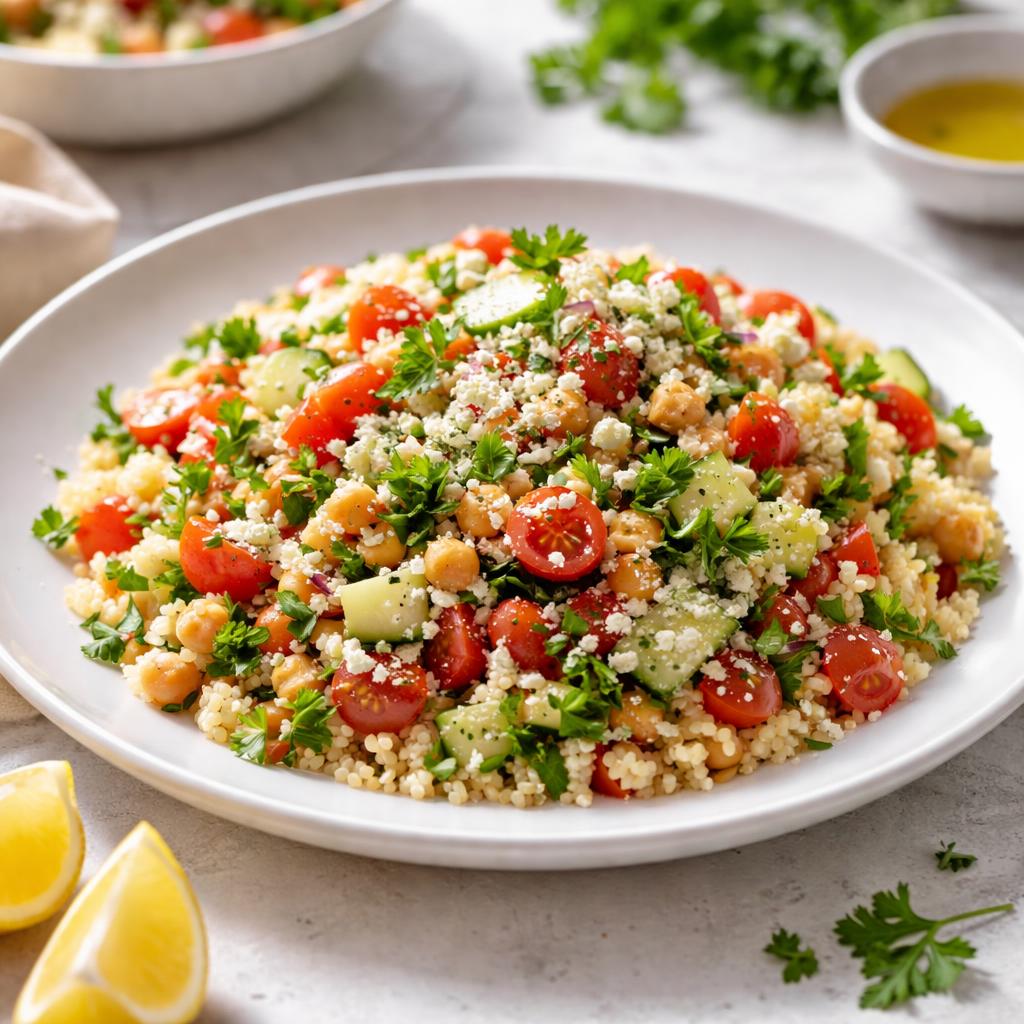
Couscous Salad
🎯 Quick Verdict
Black rice is a nutrient-dense whole grain that excels in fiber content and provides fewer calories per serving, making it great for digestion and weight management. Couscous salad, often prepared with added vegetables and olive oil, has higher protein and fat content, offering a more balanced nutrient profile ideal for sustained energy and heart health.

Smart Nutrition Tracking with SnapCalorie

📊 Nutritional Comparison
Macronutrients
| Nutrient | Food 1 | Food 2 | Winner |
|---|---|---|---|
| Calories | 160 | 200 | ✓ |
| Protein | 4g | 6g | ✓ |
| Carbs | 34g | 30g | − |
| Fat | 1g | 6g | ✓ |
| Fiber | 2.5g | 1g | ✓ |
Vitamins & Minerals
| Nutrient | Food 1 | Food 2 | Winner |
|---|---|---|---|
| Vitamin A | 0mcg | 50mcg | ✓ |
| Vitamin C | 0mg | 7mg | ✓ |
| Iron | 2mg | 1.5mg | ✓ |
🏆 Category Winners
Protein
Couscous salad provides 50% more protein due to added ingredients like chickpeas.
Fiber
Black rice has 2.5g of fiber compared to 1g in couscous salad.
Calories
Black rice is lower in calories, with 160 per serving versus 200 in couscous salad.
🥗 Diet Compatibility
Keto
Food 1: Not Compatible
Food 2: Not Compatible
Both are high in carbohydrates and unsuitable for ketogenic diets.
Vegan
Food 1: Compatible
Food 2: Usually Compatible
Both can be vegan, depending on couscous salad preparation.
Gluten Free
Food 1: Compatible
Food 2: Not Compatible
Black rice is naturally gluten-free; couscous contains gluten.
Paleo
Food 1: Usually Not Compatible
Food 2: Not Compatible
Both are grains and do not fit paleo guidelines.
Low-Carb
Food 1: Not Compatible
Food 2: Not Compatible
Both foods are higher in carbohydrates.
💪 Health Benefits Comparison
Food 1 Benefits
- High in antioxidants like anthocyanins for improved cellular health
- Moderate fiber content supports better digestion
- Provides sustainable energy from complex carbohydrates
- Supports heart health with iron and magnesium
Food 2 Benefits
- Contains healthy fats from olive oil, promoting cardiovascular health
- High protein content supports muscle repair and energy
- Rich in vitamin C for immune system boosting
- Potassium content helps regulate blood pressure
✅ The Bottom Line
Black rice is ideal for those seeking higher fiber content, fewer calories, and a gluten-free option. Couscous salad is better suited for individuals seeking a more balanced, nutrient-rich meal with higher protein and heart-healthy fats. Consider dietary restrictions and energy needs when choosing between the two.
Choose Food 1 for: Weight management, digestion support, gluten-free diets
Choose Food 2 for: Balanced meals, protein-rich diets, heart health


