Black Rice VS Corn Bread
A detailed nutritional comparison
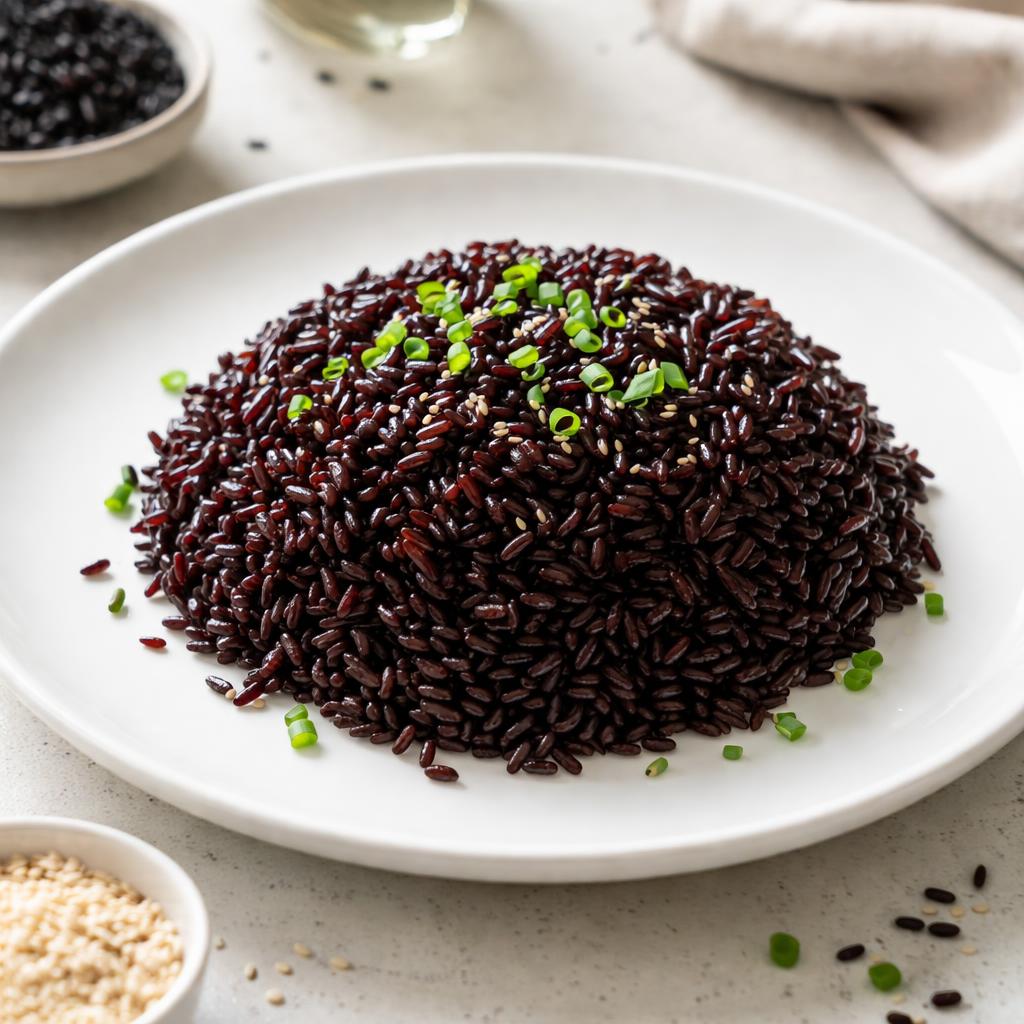
Black Rice
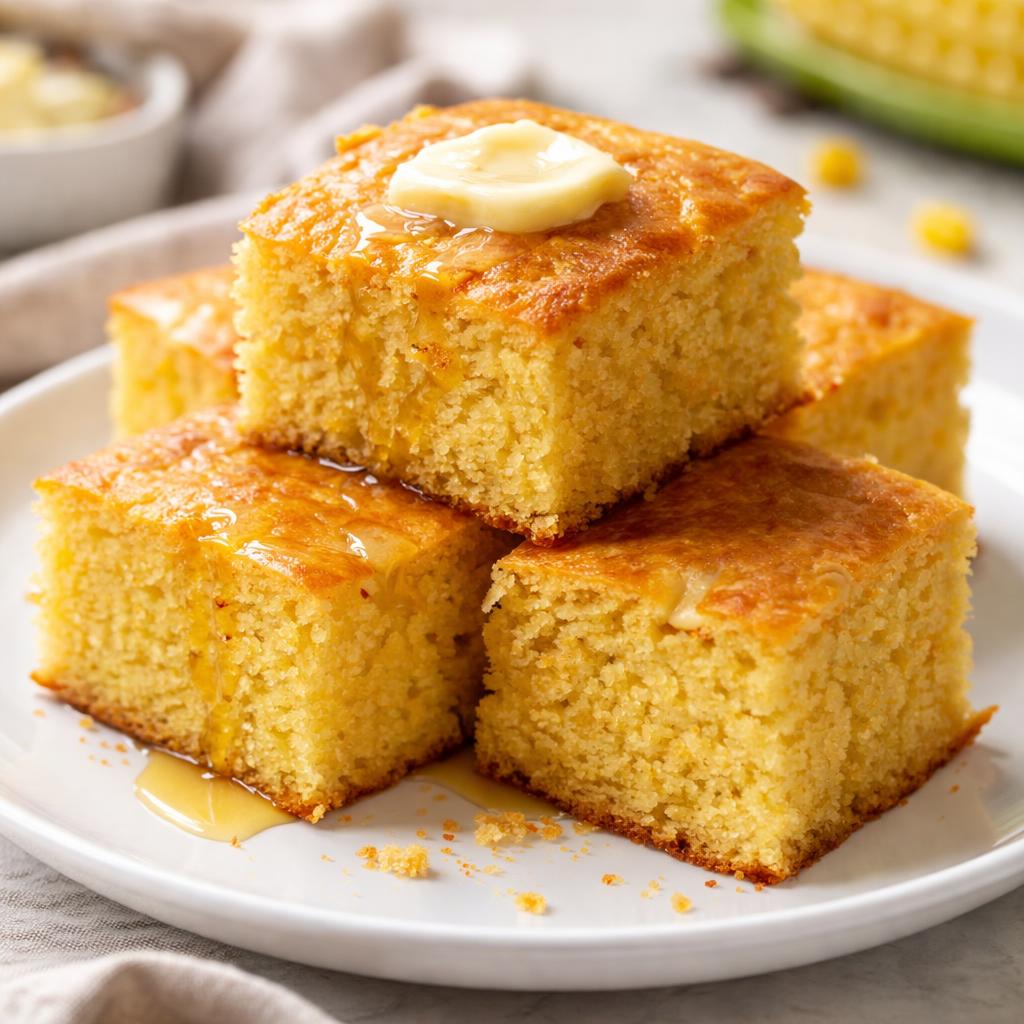
Corn Bread
🎯 Quick Verdict
Black rice outshines corn bread in most key nutritional categories, offering higher protein, fiber, and lower calories per serving. Corn bread is more energy-dense and provides healthy fats. Each food serves unique dietary preferences, with black rice excellent for nutrient-dense meals and corn bread as a hearty, carb-rich option.

Smart Nutrition Tracking with SnapCalorie

📊 Nutritional Comparison
Macronutrients
| Nutrient | Food 1 | Food 2 | Winner |
|---|---|---|---|
| Calories | 160 | 200 | ✓ |
| Protein | 5g | 3g | ✓ |
| Carbs | 34g | 43g | ✓ |
| Fat | 1.5g | 8g | ✓ |
| Fiber | 3g | 1g | ✓ |
Vitamins & Minerals
| Nutrient | Food 1 | Food 2 | Winner |
|---|---|---|---|
| Vitamin A | 0mcg | 180mcg | ✓ |
| Calcium | 10mg | 50mg | ✓ |
| Iron | 2mg | 1mg | ✓ |
🏆 Category Winners
Protein
Black rice has nearly double the protein of corn bread per serving.
Fiber
Black rice provides three times more fiber than corn bread.
Calories
Black rice has 20% fewer calories per serving.
Vitamins
Corn bread is richer in Vitamin A and Calcium.
🥗 Diet Compatibility
Keto
Food 1: Not Compatible
Food 2: Not Compatible
Both foods are high in carbs.
Vegan
Food 1: Compatible
Food 2: Potentially Compatible
Black rice is plant-based. Corn bread may need vegan substitutions for ingredients such as eggs or dairy.
Gluten Free
Food 1: Compatible
Food 2: Not Compatible
Black rice is naturally gluten-free, while traditional corn bread contains wheat flour.
Paleo
Food 1: Compatible
Food 2: Not Compatible
Black rice fits paleo guidelines, while corn bread does not due to grain and dairy content.
Low-Carb
Food 1: Not Compatible
Food 2: Not Compatible
Neither food is considered low-carb.
💪 Health Benefits Comparison
Food 1 Benefits
- High in antioxidants, including anthocyanins, which may reduce inflammation.
- Rich in dietary fiber for improved digestion and bowel health.
- Provides iron for better oxygen transport and energy levels.
Food 2 Benefits
- Contains healthy fats that support satiety and provide sustained energy.
- Provides Vitamin A for eye health.
- Rich in calcium, which supports bone health.
✅ The Bottom Line
Black rice is the better option for nutrient density, offering more fiber, protein, and fewer calories. Choose black rice if you're eyeing a filling and nutrient-packed meal. Corn bread is heavier on calories and fats, making it a great comfort food or energy source for high-calorie diets.
Choose Food 1 for: Weight loss, nutrient-packed meals, plant-based diets.
Choose Food 2 for: Comfort food, higher calorie meals, energy-dense diets.


