Basmati Rice VS Vegetable Rice
A detailed nutritional comparison
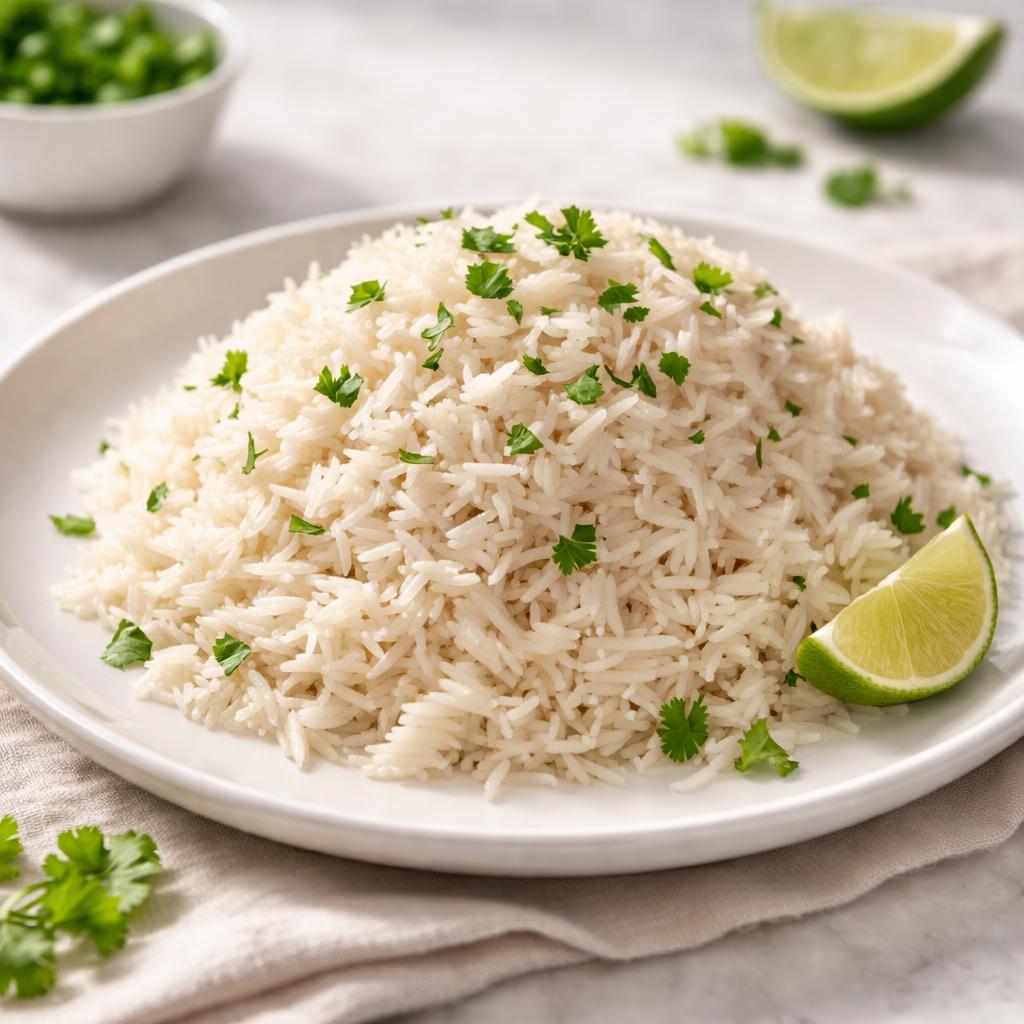
Basmati Rice
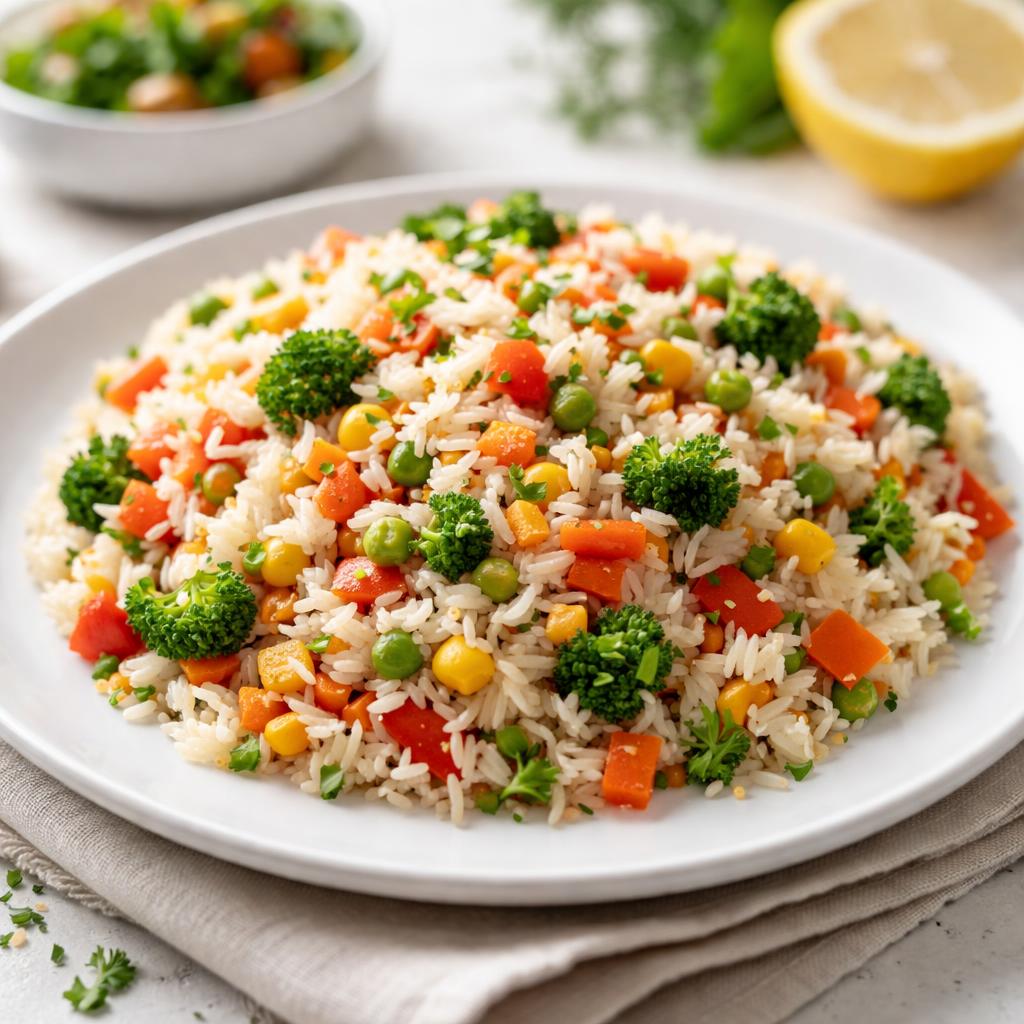
Vegetable Rice
🎯 Quick Verdict
Basmati rice (Food1) is lower in calories and contains fewer carbs, making it a lighter option for meals. Vegetable rice (Food2), meanwhile, offers higher protein, fiber, and additional micronutrients due to the inclusion of vegetables, making it nutritionally denser and more satiating. Food1 is great for low-energy meals, while Food2 is ideal for balanced nutrition and promoting satiety.

Smart Nutrition Tracking with SnapCalorie

📊 Nutritional Comparison
Macronutrients
| Nutrient | Food 1 | Food 2 | Winner |
|---|---|---|---|
| Calories | 160 | 140 | ✓ |
| Protein | 3.5g | 5g | ✓ |
| Carbs | 35g | 28g | ✓ |
| Fat | 0.5g | 2g | ✓ |
| Fiber | 0.3g | 4g | ✓ |
Vitamins & Minerals
| Nutrient | Food 1 | Food 2 | Winner |
|---|---|---|---|
| Vitamin A | 0mcg | 200mcg | ✓ |
| Vitamin C | 0mg | 10mg | ✓ |
| Potassium | 55mg | 250mg | ✓ |
🏆 Category Winners
Protein
Vegetable rice contains 43% more protein than basmati rice due to added vegetables.
Fiber
Vegetable rice has significantly more fiber, which supports better digestion and satiety.
Calories
Vegetable rice has slightly fewer calories than basmati rice, making it a lighter option.
🥗 Diet Compatibility
Keto
Food 1: Not Compatible
Food 2: Not Compatible
Both are too high in carbs for a keto diet.
Vegan
Food 1: Compatible
Food 2: Compatible
Both are plant-based and suitable for vegans.
Gluten Free
Food 1: Compatible
Food 2: Compatible
Neither contains gluten.
Paleo
Food 1: Not Compatible
Food 2: Not Compatible
Grains like rice are not permitted on a paleo diet.
Low-Carb
Food 1: Not Compatible
Food 2: Not Compatible
Carbohydrates are high in both foods.
💪 Health Benefits Comparison
Food 1 Benefits
- Low in fat, suitable for light meals
- Provides quick energy due to its carb content
- Easy to digest and gentle on the stomach
Food 2 Benefits
- Rich in fiber for improved digestion
- Higher protein content supports muscle repair
- Provides essential nutrients like vitamin A and potassium
✅ The Bottom Line
Choose basmati rice when you want a low-calorie, quick-energy option that is light and easy to digest. Opt for vegetable rice when you need a more balanced, nutrient-dense meal, as it provides higher protein, fiber, and essential vitamins for sustained energy and health benefits.
Choose Food 1 for: Light meals, quick digestion, energy boosts
Choose Food 2 for: Balanced nutrition, muscle repair, satiating meals


