Basmati Rice VS Saffron Rice
A detailed nutritional comparison
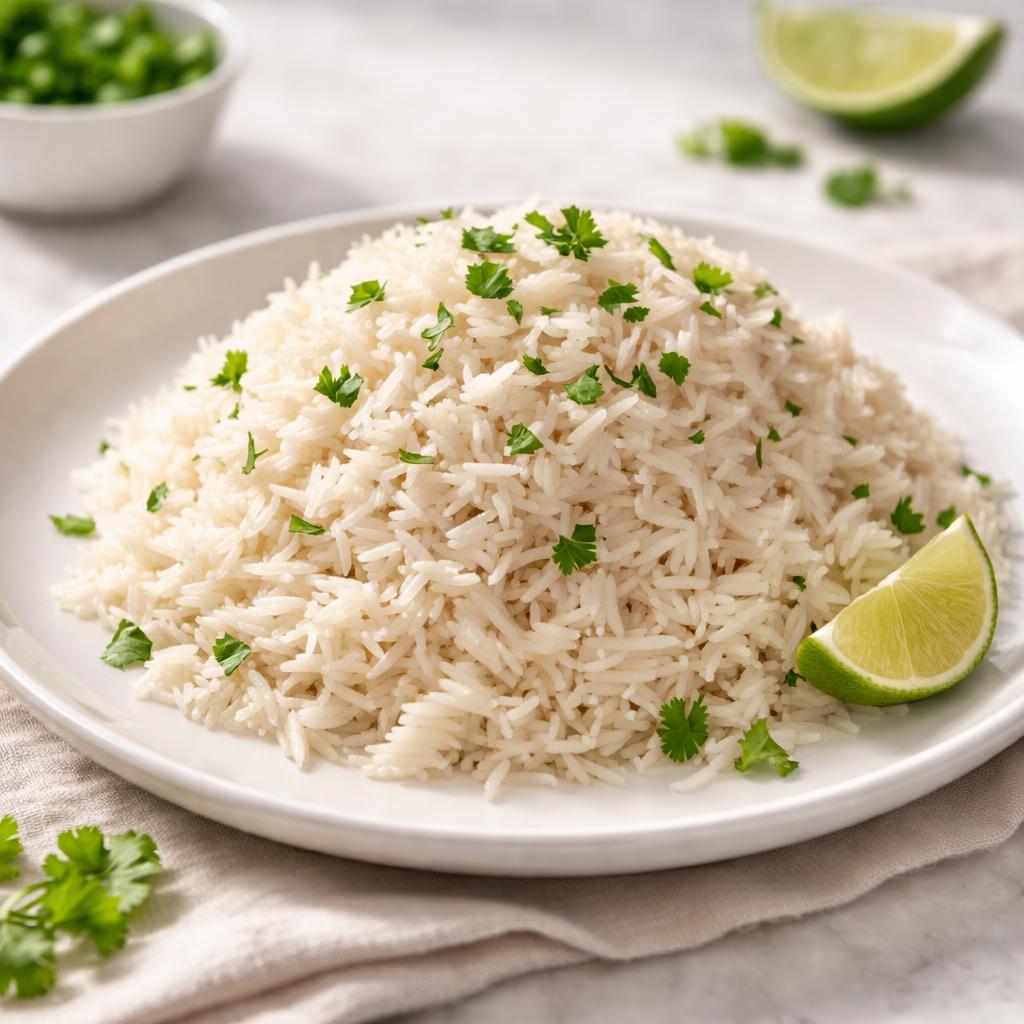
Basmati Rice
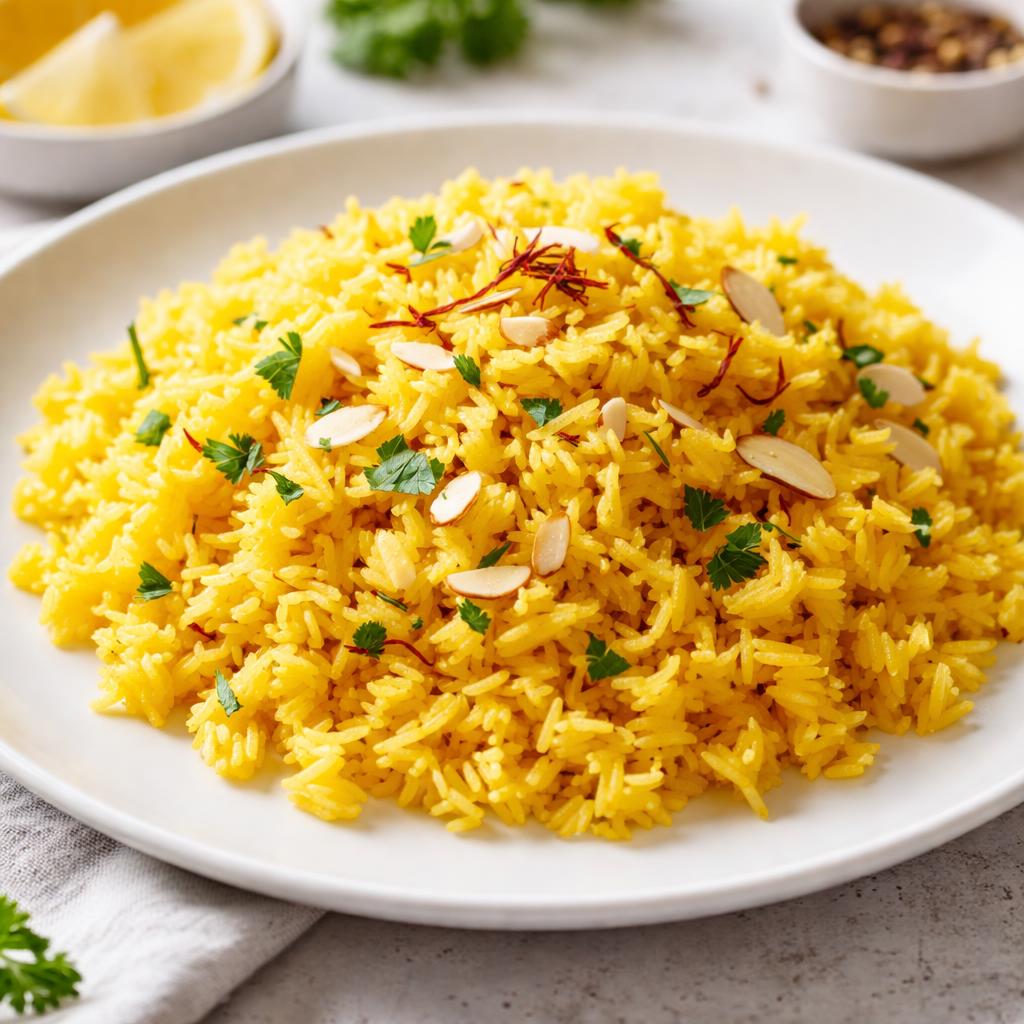
Saffron Rice
🎯 Quick Verdict
Basmati rice and saffron rice are quite similar in nutritional profile, especially since saffron rice is typically basmati rice cooked with saffron and additional seasonings. Basmati rice has slightly lower calories per serving, making it a better choice for calorie-conscious diets, while saffron rice may provide unique antioxidant benefits due to the inclusion of saffron.

Smart Nutrition Tracking with SnapCalorie

📊 Nutritional Comparison
Macronutrients
| Nutrient | Food 1 | Food 2 | Winner |
|---|---|---|---|
| Calories | 160 | 170 | ✓ |
| Protein | 4g | 4g | − |
| Carbs | 35g | 36g | ✓ |
| Fat | 0.5g | 1g | ✓ |
| Fiber | 1g | 1g | − |
Vitamins & Minerals
| Nutrient | Food 1 | Food 2 | Winner |
|---|---|---|---|
| Vitamin D | 0mcg | 0mcg | − |
| Calcium | 5mg | 8mg | ✓ |
| Iron | 0.3mg | 0.5mg | ✓ |
🏆 Category Winners
Protein
Both foods provide the same amount of protein per serving.
Fiber
Both contain equal amounts of dietary fiber.
Calories
Basmati rice has slightly fewer calories per serving.
Vitamins
Saffron rice contains marginally more calcium and iron.
🥗 Diet Compatibility
Keto
Food 1: Not Compatible
Food 2: Not Compatible
Both are high in carbohydrates and unsuitable for keto diets.
Vegan
Food 1: Compatible
Food 2: Compatible
Both are plant-based foods.
Gluten Free
Food 1: Compatible
Food 2: Compatible
Neither contains gluten.
Paleo
Food 1: Not Compatible
Food 2: Not Compatible
Grains are excluded from paleo diets.
Low Carb
Food 1: Not Compatible
Food 2: Not Compatible
Both are high-carb foods.
💪 Health Benefits Comparison
Food 1 Benefits
- Lower calorie content for weight management
- Provides steady energy from complex carbohydrates
- Low fat content suitable for heart health
Food 2 Benefits
- Contains antioxidants from saffron for cellular health
- Higher mineral content, including iron and calcium
- Rich flavor enhances meal satisfaction
✅ The Bottom Line
Choose basmati rice if you're calorie-conscious or need a versatile staple food. Opt for saffron rice when you want enhanced flavor and added antioxidant benefits from saffron.
Choose Food 1 for: Weight management, plain rice dishes, general daily use
Choose Food 2 for: Special occasions, nutrient-enriched meals, flavor-focused dishes


