Basmati Rice VS Raw Rice
A detailed nutritional comparison
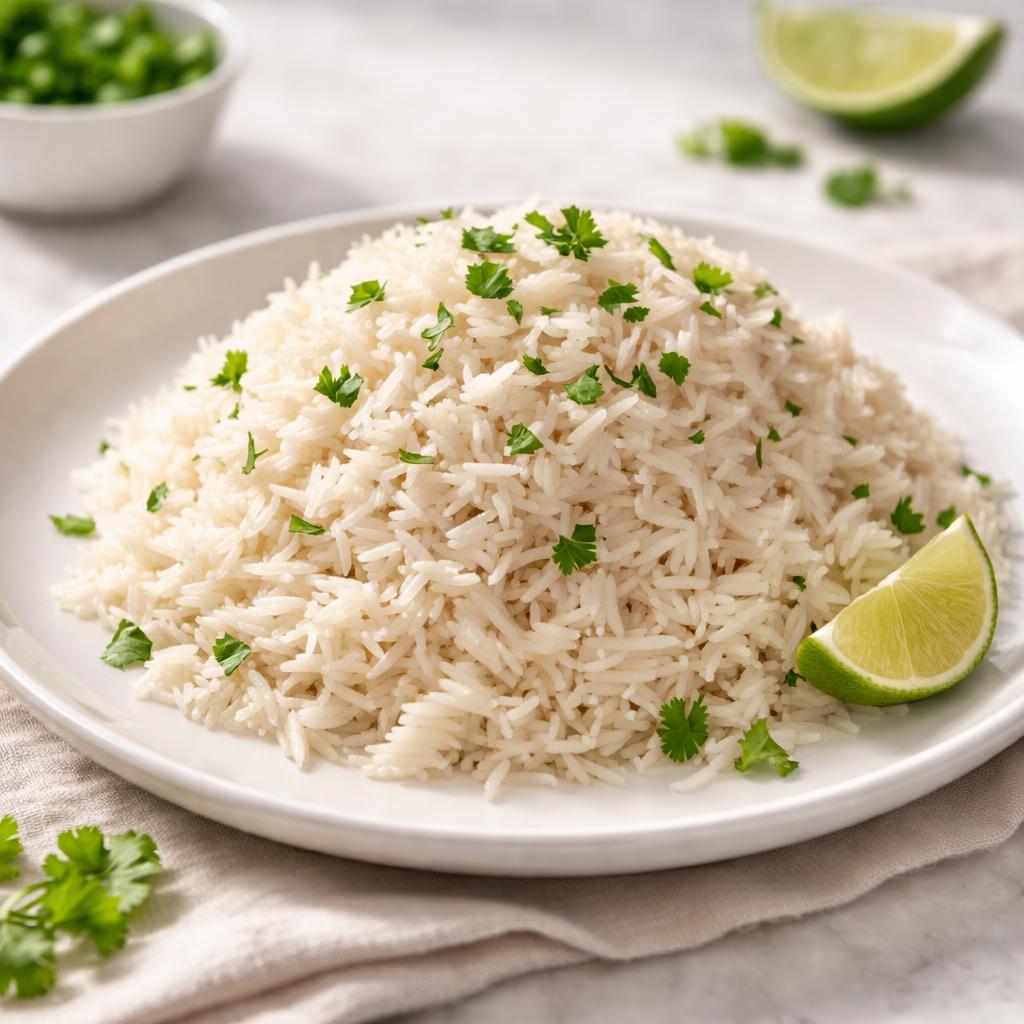
Basmati Rice
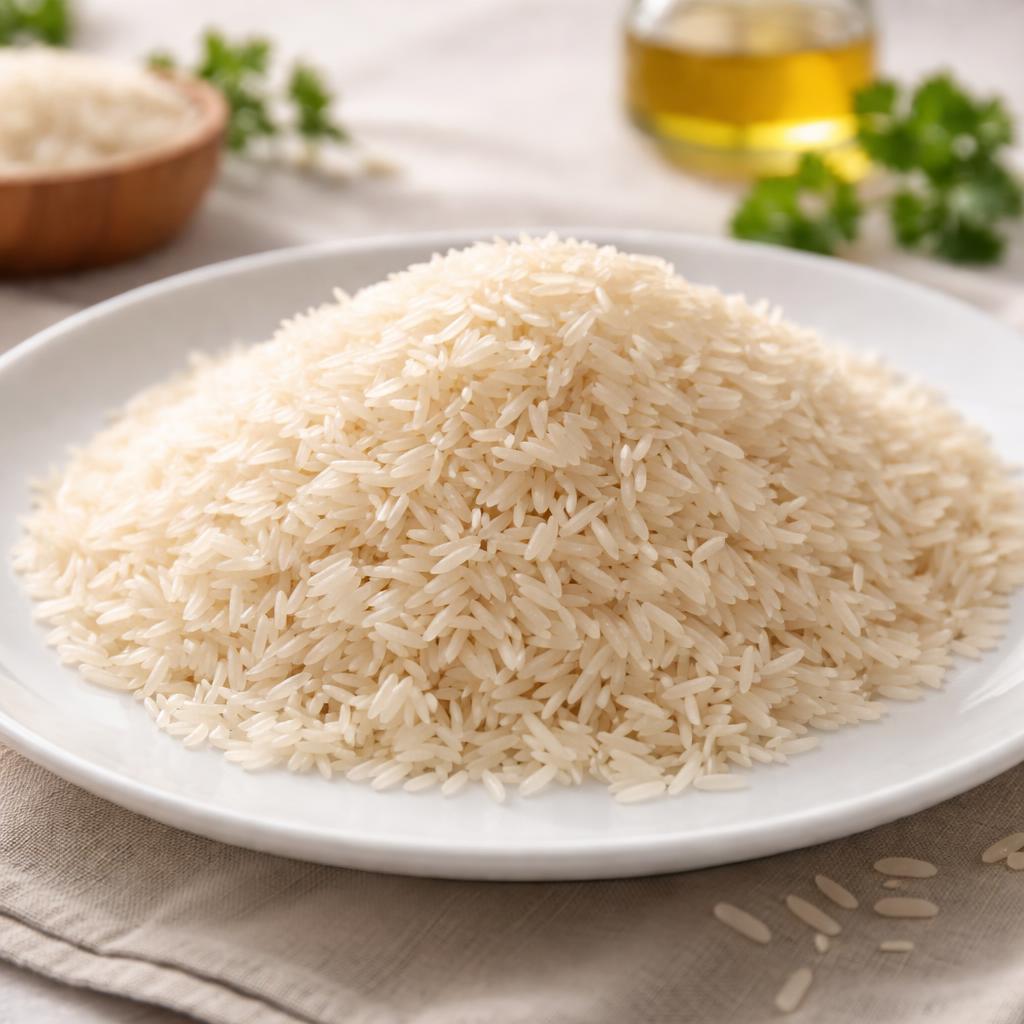
Raw Rice
🎯 Quick Verdict
Basmati rice and raw rice have similar calories and carbs, but basmati rice provides slightly more fiber for digestion, while raw rice has marginally higher protein content. Basmati rice is aromatic and often preferred for culinary dishes, whereas raw rice is versatile across various cuisines. Choose basmati for easier digestion and flavor, or raw rice for an economic and neutral option in meals.

Smart Nutrition Tracking with SnapCalorie

📊 Nutritional Comparison
Macronutrients
| Nutrient | Food 1 | Food 2 | Winner |
|---|---|---|---|
| Calories | 160 kcal | 158 kcal | − |
| Protein | 3.5g | 3.9g | ✓ |
| Carbs | 36g | 35g | ✓ |
| Fat | 0.5g | 0.4g | ✓ |
| Fiber | 1g | 0.5g | ✓ |
Vitamins & Minerals
| Nutrient | Food 1 | Food 2 | Winner |
|---|---|---|---|
| Vitamin B6 | 0.1mg | 0.05mg | ✓ |
| Iron | 0.3mg | 0.19mg | ✓ |
| Magnesium | 13mg | 11mg | ✓ |
🏆 Category Winners
Protein
Raw rice has about 10% more protein than basmati rice.
Fiber
Basmati rice offers twice as much fiber per serving compared to raw rice.
Calories
Both basmati rice and raw rice have nearly identical calorie content.
Vitamins
Basmati rice contains slightly more Vitamin B6, iron, and magnesium.
🥗 Diet Compatibility
Keto
Food 1: Not Compatible
Food 2: Not Compatible
Both are high-carb foods unsuitable for keto diets.
Vegan
Food 1: Compatible
Food 2: Compatible
Both are plant-based and suitable for vegan diets.
Gluten Free
Food 1: Compatible
Food 2: Compatible
Neither contains gluten, making them safe for gluten-free diets.
Paleo
Food 1: Not Compatible
Food 2: Not Compatible
Rice is not allowed in strict paleo diets.
Low-Carb
Food 1: Not Compatible
Food 2: Not Compatible
Both are high in carbohydrates and not suitable for low-carb diets.
💪 Health Benefits Comparison
Food 1 Benefits
- Contains fiber to support digestion
- Rich in Vitamin B6 for energy metabolism
- Low in fat and cholesterol for heart health
Food 2 Benefits
- Higher protein content for muscle maintenance
- Provides essential minerals like magnesium
- Neutral flavor and versatile for various cuisines
✅ The Bottom Line
While basmati rice is known for its aroma and higher fiber content, raw rice provides slightly more protein and is a more neutral and budget-friendly option. Both can be used interchangeably, but basmati is better for flavorful dishes, and raw rice works well in bulk meals or as a versatile staple.
Choose Food 1 for: Flavorful dishes, digestion support, traditional recipes
Choose Food 2 for: Economic meals, increased protein needs, versatile cooking


