Basmati Rice VS Brown Basmati Rice
A detailed nutritional comparison
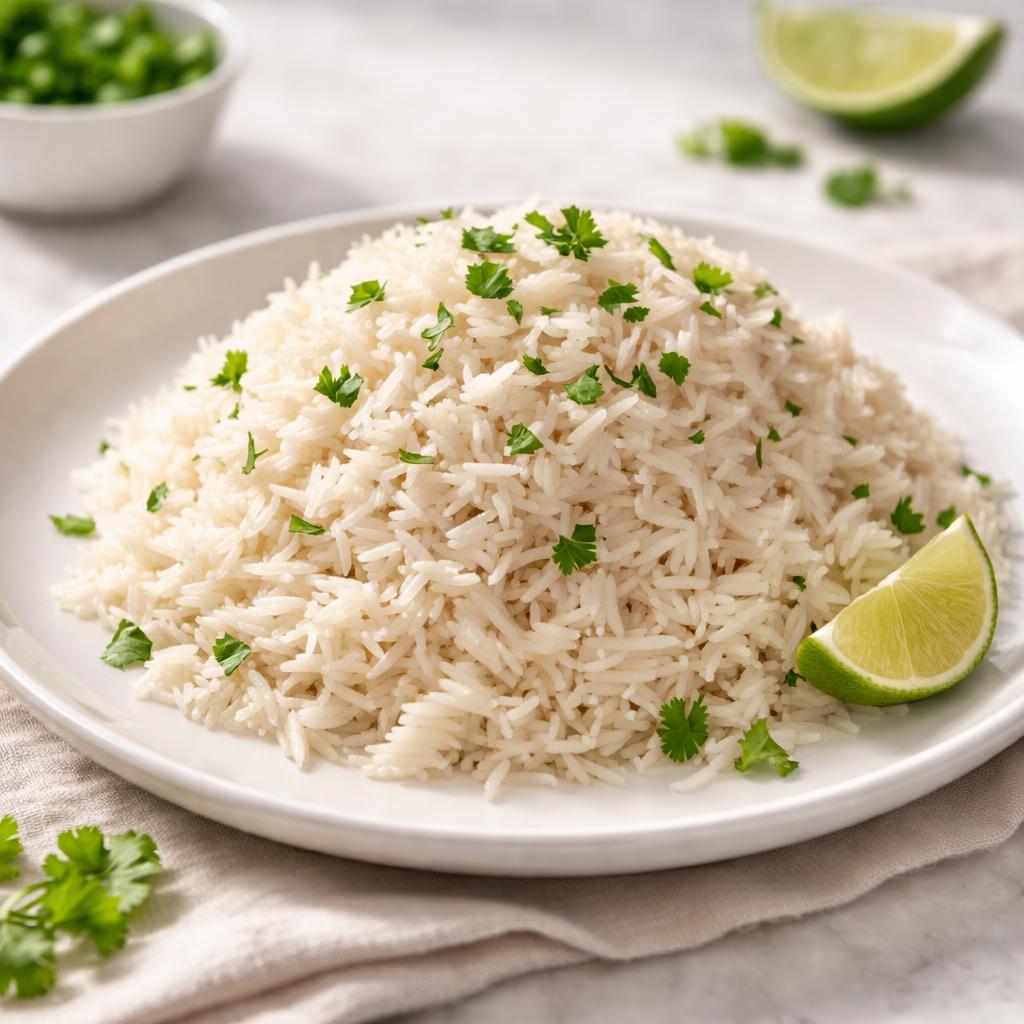
Basmati Rice
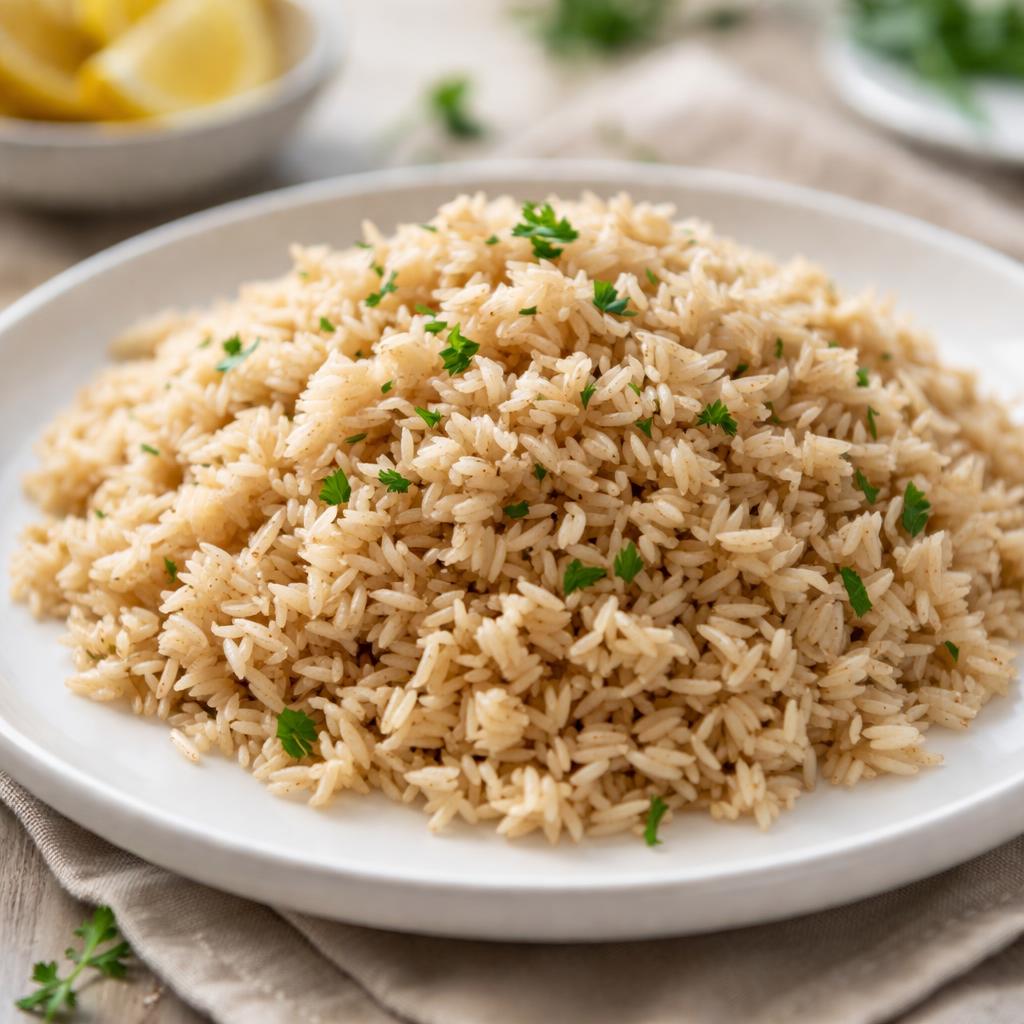
Brown Basmati Rice
🎯 Quick Verdict
Brown basmati rice is nutritionally superior due to its higher fiber content and more vitamins, making it a better choice for heart health and digestion. Regular basmati rice is more refined with lower fiber but is still a good option for those looking for slightly quicker digestibility and a softer texture in meals.

Smart Nutrition Tracking with SnapCalorie

📊 Nutritional Comparison
Macronutrients
| Nutrient | Food 1 | Food 2 | Winner |
|---|---|---|---|
| Calories | 191 kcal (per cup cooked) | 180 kcal (per cup cooked) | − |
| Protein | 4g | 4g | − |
| Carbs | 41g | 38g | ✓ |
| Fat | 0.5g | 1g | − |
| Fiber | 0.7g | 3.5g | − |
Vitamins & Minerals
| Nutrient | Food 1 | Food 2 | Winner |
|---|---|---|---|
| Vitamin B6 | 0.005mg | 0.3mg | − |
| Magnesium | 15mg | 56mg | − |
| Iron | 0.3mg | 1.1mg | − |
| Potassium | 54mg | 84mg | − |
🏆 Category Winners
Protein
Both contain 4g protein per cup cooked.
Fiber
Brown basmati provides 5x more fiber than white basmati.
Calories
Both have similar calorie counts per serving with negligible differences.
Vitamins
Brown basmati rice contains significantly more micronutrients, including iron and magnesium.
🥗 Diet Compatibility
Keto
Food 1: Not Compatible
Food 2: Not Compatible
Both contain high carbs, making them unsuitable for a ketogenic diet.
Vegan
Food 1: Compatible
Food 2: Compatible
Both are plant-based and suitable for a vegan diet.
Gluten Free
Food 1: Compatible
Food 2: Compatible
Neither contains gluten.
Paleo
Food 1: Compatible
Food 2: Compatible
Both are minimally processed and fit into a paleo diet.
Low-Carb
Food 1: Not Compatible
Food 2: Not Compatible
Both are high in carbohydrates and unsuitable for low-carb diets.
💪 Health Benefits Comparison
Food 1 Benefits
- Quickly digestible for those with sensitive stomachs
- Low in fat for weight management
- Provides energy for active lifestyles
Food 2 Benefits
- High fiber supports digestion
- Rich in magnesium and iron for bone strength and oxygen transport
- Contains more vitamins for overall metabolic health
✅ The Bottom Line
Brown basmati rice is the better choice for those seeking balanced nutrition, improved digestion, and higher vitamin intake. Choose white basmati rice for faster cooking, softer texture, or milder flavor preferences.
Choose Food 1 for: Meal prep needing milder rice, quick-digesting meals, pairing with lighter sauces
Choose Food 2 for: Heart health, sustained energy, high-fiber diets


