Barley VS Whole Wheat Pasta
A detailed nutritional comparison
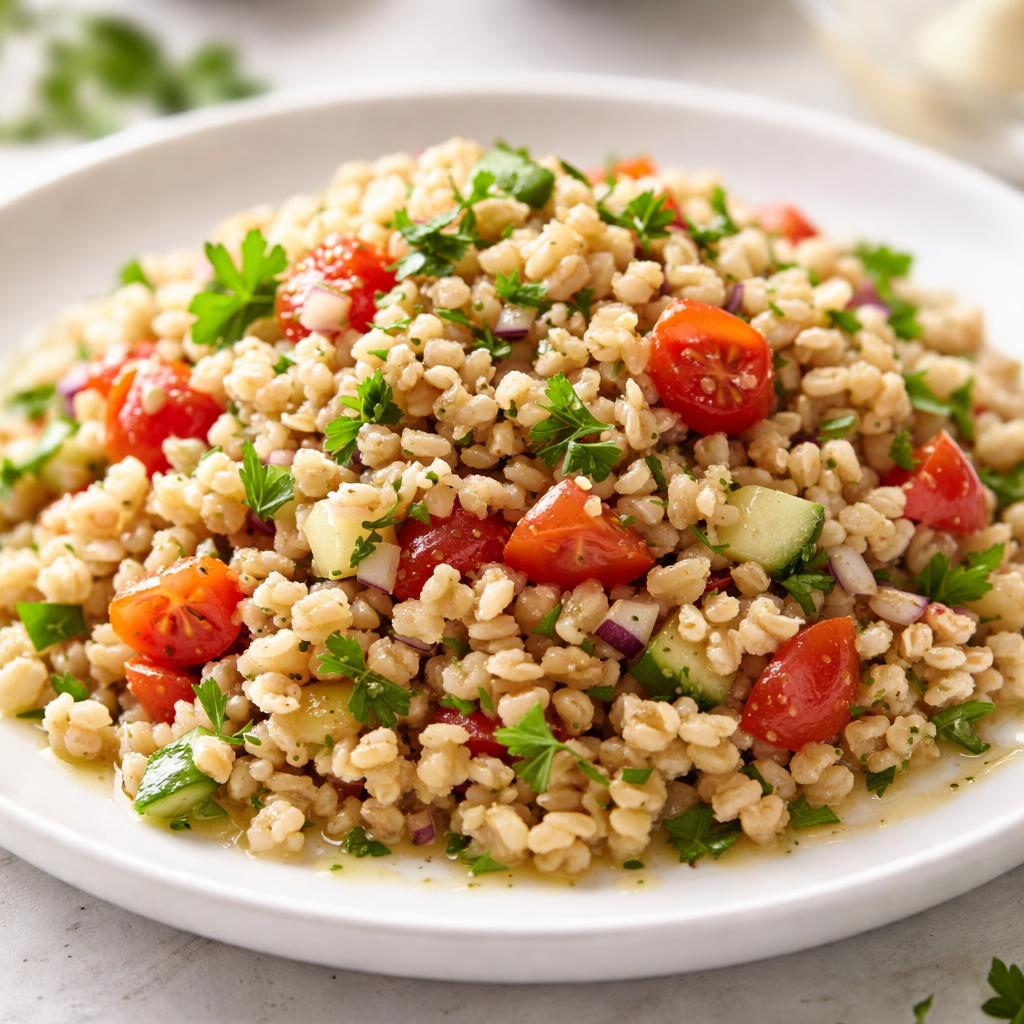
Barley
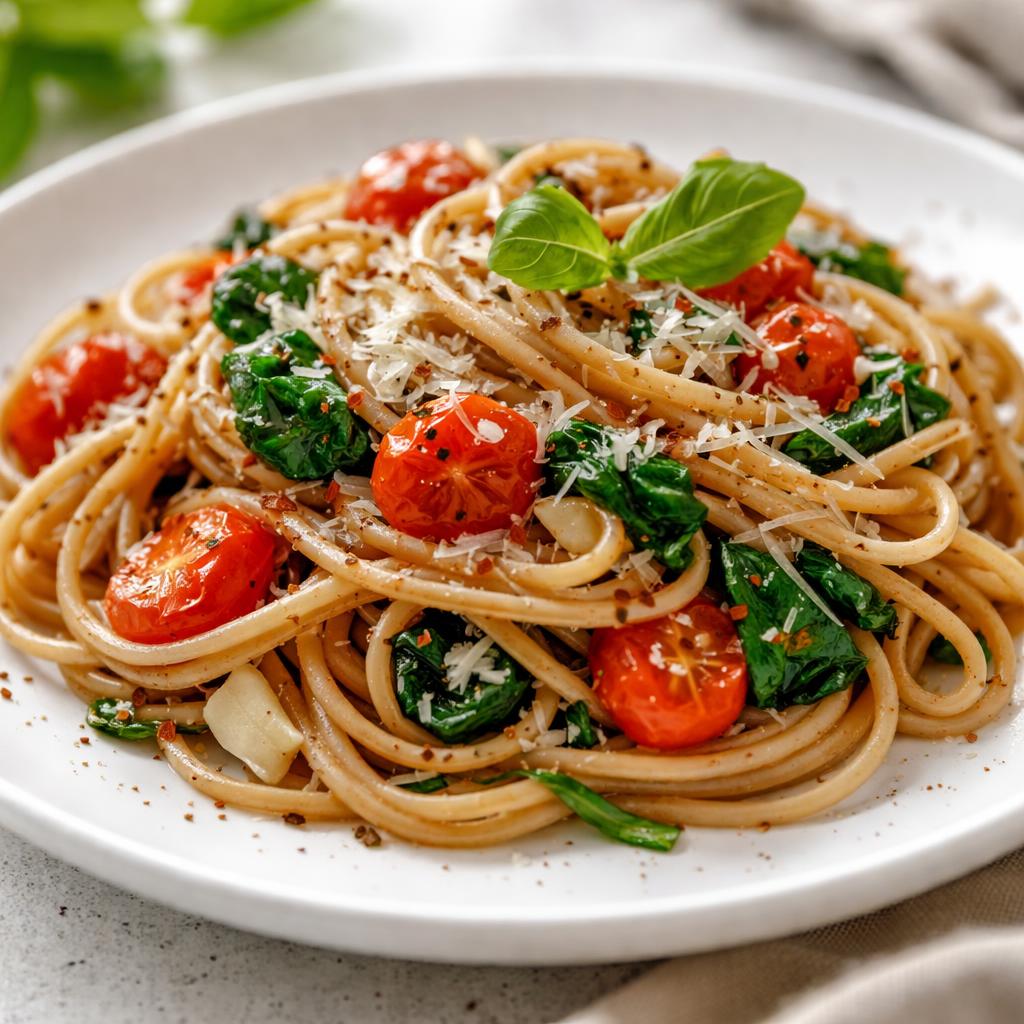
Whole Wheat Pasta
🎯 Quick Verdict
Whole wheat pasta generally provides more protein and fiber than barley, which makes it better for muscle maintenance and digestive health. Barley is slightly lower in calories and offers a unique nutty flavor, ideal for hearty soups and side dishes, while whole wheat pasta is a versatile, quick-cooking base for balanced meals.

Smart Nutrition Tracking with SnapCalorie

📊 Nutritional Comparison
Macronutrients
| Nutrient | Food 1 | Food 2 | Winner |
|---|---|---|---|
| Calories | 193 (per cup, cooked) | 200 (per cup, cooked) | − |
| Protein | 3.5g | 7.5g | ✓ |
| Carbs | 44.3g | 41g | ✓ |
| Fat | 0.4g | 0.9g | ✓ |
| Fiber | 6g | 6.3g | ✓ |
Vitamins & Minerals
| Nutrient | Food 1 | Food 2 | Winner |
|---|---|---|---|
| Vitamin D | 0mcg | 0mcg | − |
| Calcium | 17mg | 15mg | ✓ |
| Iron | 1.3mg | 1.8mg | ✓ |
🏆 Category Winners
Protein
Whole wheat pasta provides over 115% more protein per serving than barley.
Fiber
Whole wheat pasta offers slightly more fiber, aiding digestive health.
Calories
Both foods are similar in calorie count per serving, making neither a standout lower-calorie option.
Vitamins
Whole wheat pasta has more iron, supporting red blood cell production.
🥗 Diet Compatibility
Keto
Food 1: Not Compatible
Food 2: Not Compatible
Both foods are high in carbs, which are unsuitable for a strict keto diet.
Vegan
Food 1: Compatible
Food 2: Compatible
Both are plant-based and entirely suitable for vegan diets.
Gluten Free
Food 1: Not Compatible
Food 2: Not Compatible
Both foods contain gluten, making them unsuitable for gluten-free diets.
Paleo
Food 1: Not Compatible
Food 2: Not Compatible
Both foods are grain-based and do not fit paleo diet guidelines.
Low Carb
Food 1: Not Compatible
Food 2: Not Compatible
Neither food qualifies as low-carb due to their high carbohydrate content.
💪 Health Benefits Comparison
Food 1 Benefits
- Rich in dietary fiber, supporting digestive health
- Provides slow-digesting carbs for sustained energy
- Contains essential trace minerals like selenium and magnesium
Food 2 Benefits
- High in protein, supporting muscle maintenance
- Good source of dietary fiber for gut health
- Rich in iron, supporting healthy blood production
✅ The Bottom Line
Choose barley for recipes requiring a nutty and chewy texture or if seeking a slightly lower-calorie option. Whole wheat pasta is superior for protein and fiber needs and works well for quick, balanced meals and Italian-inspired dishes.
Choose Food 1 for: Soups, slow-cooked dishes, low-fat diets
Choose Food 2 for: Meal prep, muscle maintenance, nutrient-dense meals


