Barley VS Rice With Beans
A detailed nutritional comparison
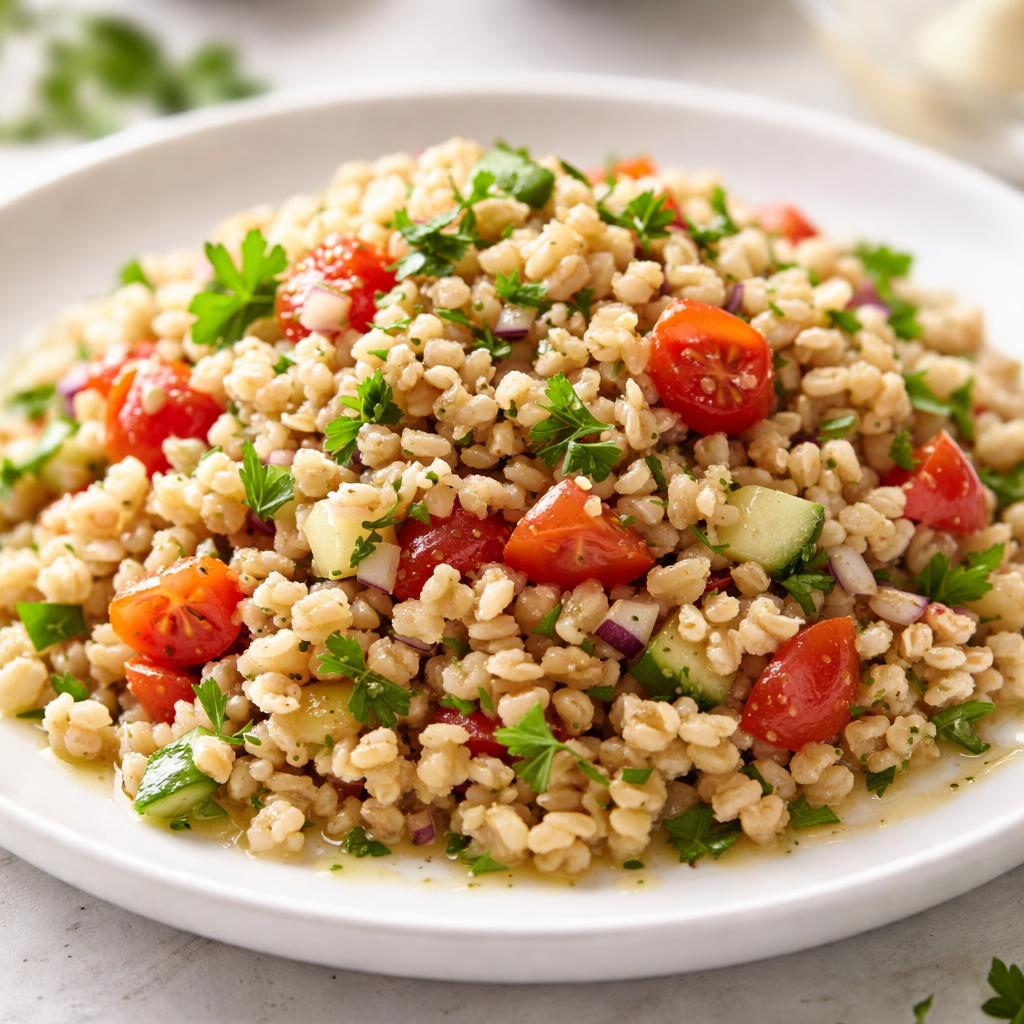
Barley
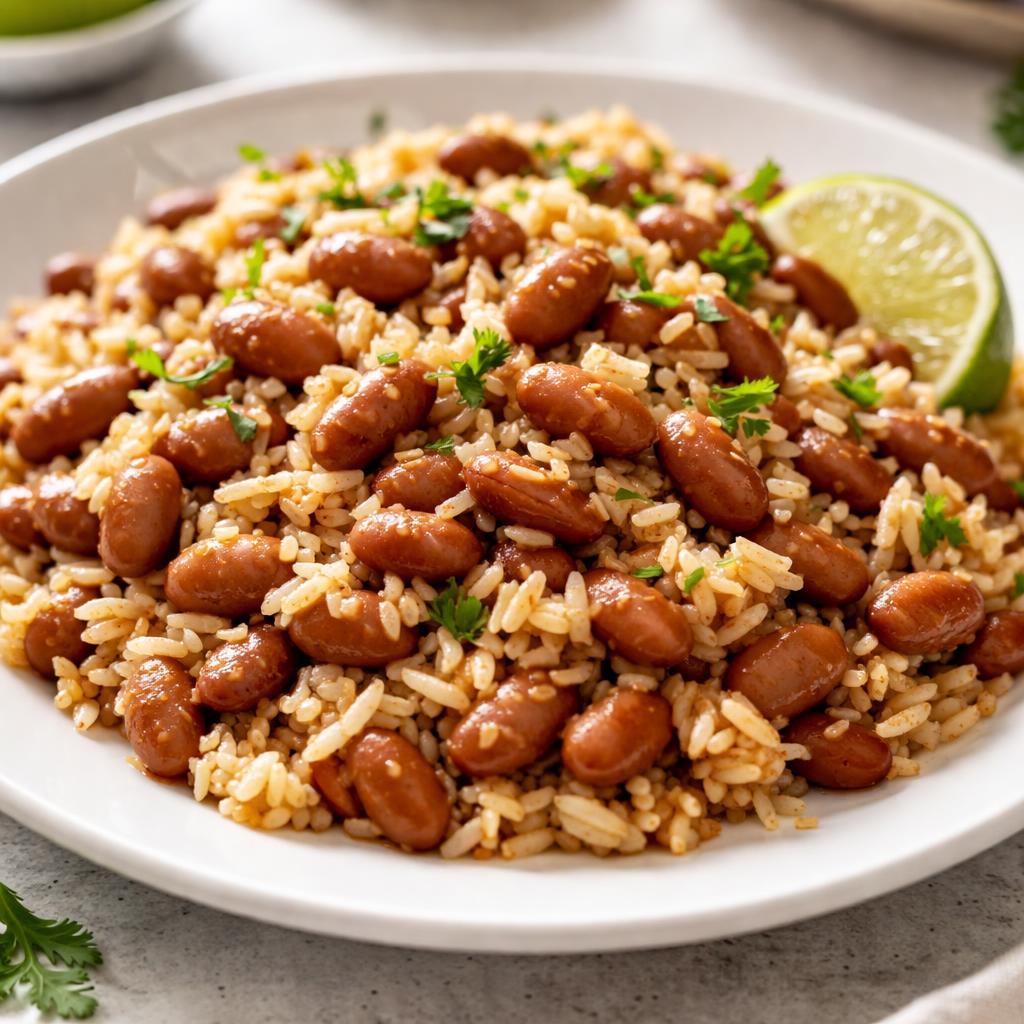
Rice With Beans
🎯 Quick Verdict
Barley and rice with beans are both nutrient-dense options. Barley excels in fiber content (6g per cup) and offers fewer calories (193 per cup cooked). Rice with beans is richer in protein (9g per cup cooked) and provides more diverse nutrients. Barley is ideal for heart health and digestion, while rice with beans suits balanced diets needing complex carbs and protein synergy.

Smart Nutrition Tracking with SnapCalorie

📊 Nutritional Comparison
Macronutrients
| Nutrient | Food 1 | Food 2 | Winner |
|---|---|---|---|
| Calories | 193 | 240 | ✓ |
| Protein | 3.5g | 9g | ✓ |
| Carbs | 44g | 45g | ✓ |
| Fat | 0.7g | 1g | ✓ |
| Fiber | 6g | 4g | ✓ |
Vitamins & Minerals
| Nutrient | Food 1 | Food 2 | Winner |
|---|---|---|---|
| Vitamin D | 0mcg | 0mcg | − |
| Calcium | 13mg | 40mg | ✓ |
| Iron | 2mg | 1.5mg | ✓ |
| Magnesium | 35mg | 70mg | ✓ |
| Potassium | 140mg | 230mg | ✓ |
🏆 Category Winners
Protein
Rice with beans has over 2.5 times the protein per cup compared to barley.
Fiber
Barley provides 50% more fiber per serving than rice with beans.
Calories
Barley is lower in calories by about 20%.
Vitamins
Rice with beans offers more calcium, magnesium, and potassium than barley.
🥗 Diet Compatibility
Keto
Food 1: Not Compatible
Food 2: Not Compatible
Both are high in carbohydrates, making them unsuitable for keto diets.
Vegan
Food 1: Compatible
Food 2: Compatible
Both are plant-based and fit well into vegan diets.
Gluten Free
Food 1: Not Compatible
Food 2: Compatible
Barley contains gluten, while rice with beans is gluten-free.
Paleo
Food 1: Not Compatible
Food 2: Not Compatible
Grains and legumes are excluded from paleo diets.
Low-Carb
Food 1: Not Compatible
Food 2: Not Compatible
Both foods are high in carbohydrates.
💪 Health Benefits Comparison
Food 1 Benefits
- High in fiber, promoting better digestion and gut health
- Contains beta-glucans, which may lower cholesterol
- Supports sustained energy due to slow digestion of its carbs
- Provides iron for oxygen transport in the body
Food 2 Benefits
- Rich in complete protein when paired, supporting muscle repair
- Offers potassium for heart health and muscle function
- Good source of magnesium for energy production and nerve health
- Contains healthy complex carbs for long-lasting energy
✅ The Bottom Line
Barley is an excellent choice for those needing high fiber and lower-calorie meals, particularly for digestion and heart health. Meanwhile, rice with beans is superior in protein and broader mineral content, making it ideal for balanced diets that prioritize post-workout recovery or sustained energy.
Choose Food 1 for: Heart health, digestion, weight management
Choose Food 2 for: Balanced diets, muscle repair, sustained energy


