Barley VS Corn Bread
A detailed nutritional comparison
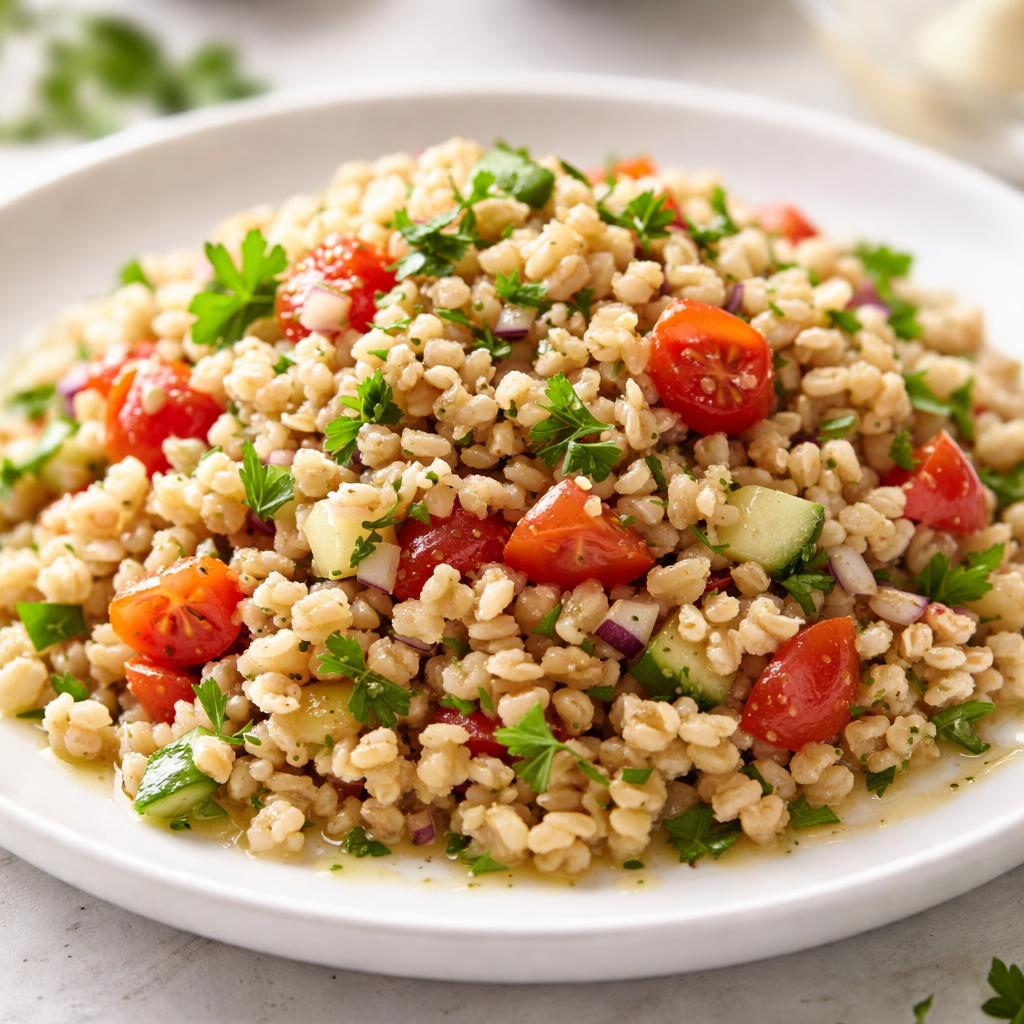
Barley
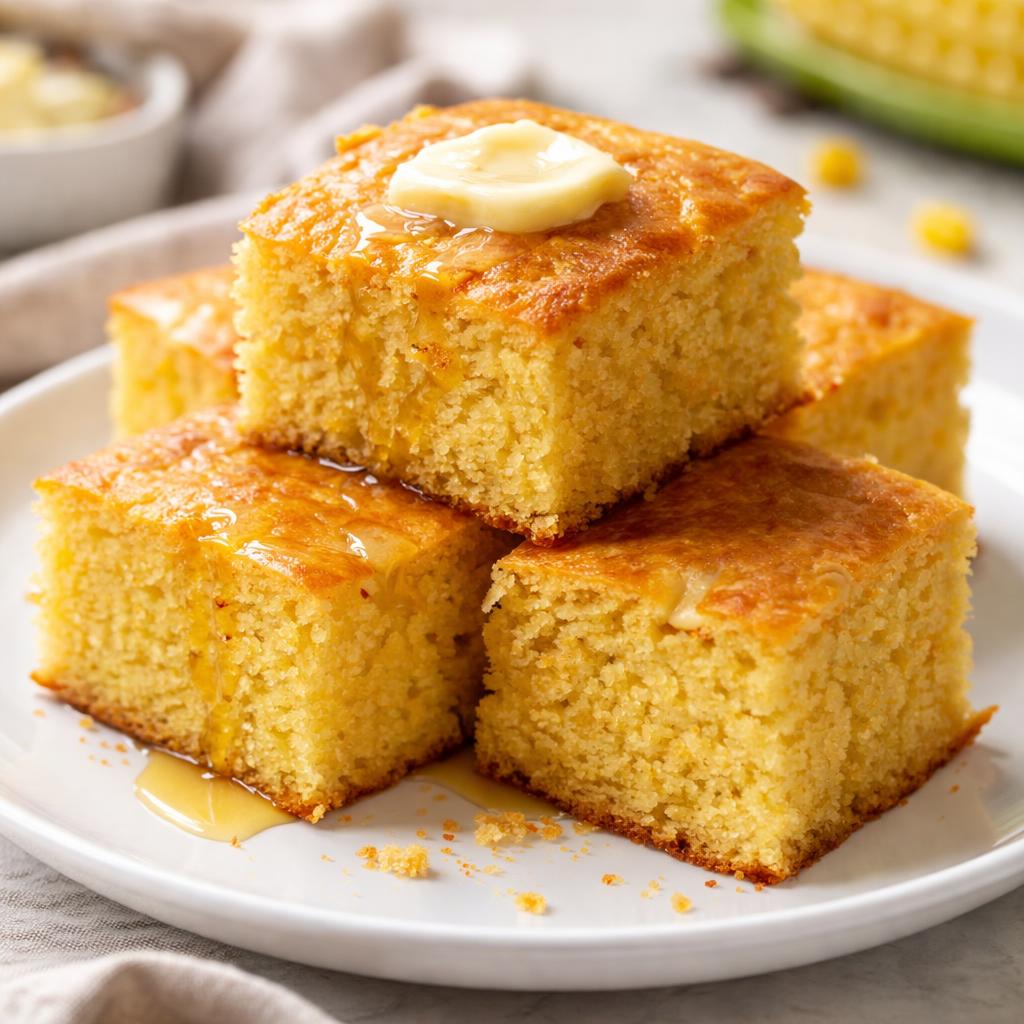
Corn Bread
🎯 Quick Verdict
Barley is a nutrient-dense whole grain with high fiber and protein content, making it great for digestion and weight management. Corn bread, on the other hand, is higher in calories, has less protein and fiber, but offers quick energy and is ideal for sustained energy snacks. Barley is generally more nutrient-dense, while corn bread is better suited for those needing an energy-dense food option.

Smart Nutrition Tracking with SnapCalorie

📊 Nutritional Comparison
Macronutrients
| Nutrient | Food 1 | Food 2 | Winner |
|---|---|---|---|
| Calories | 193 per cup (cooked) | 198 per slice (~60g) | − |
| Protein | 3.5g | 2.2g | − |
| Carbs | 44.3g | 26g | − |
| Fat | 0.6g | 5.2g | − |
| Fiber | 6g | 2g | − |
Vitamins & Minerals
| Nutrient | Food 1 | Food 2 | Winner |
|---|---|---|---|
| Vitamin D | 0mcg (negligible) | 0mcg | − |
| Calcium | 17mg | 164mg | − |
| Iron | 1mg | 0.8mg | − |
🏆 Category Winners
Protein
Barley provides 1.5g more protein per serving compared to corn bread.
Fiber
Barley has 3x more fiber than corn bread, aiding digestion.
Calories
Barley is slightly lower in calories by 5 per serving.
Vitamins
Corn bread provides 10x more calcium per serving compared to barley.
🥗 Diet Compatibility
Keto
Food 1: Unknown
Food 2: Unknown
Both are high-carb foods unsuitable for keto diets.
Vegan
Food 1: Unknown
Food 2: Unknown
Barley is plant-based, but corn bread may contain animal-derived butter or milk.
Gluten Free
Food 1: Unknown
Food 2: Unknown
Barley contains gluten, and corn bread may include wheat flour.
Paleo
Food 1: Unknown
Food 2: Unknown
Both contain grains, which are avoided on Paleo diets.
Low-Carb
Food 1: Unknown
Food 2: Unknown
Both are high-carb foods, unsuitable for strict low-carb diets.
💪 Health Benefits Comparison
Food 1 Benefits
Food 2 Benefits
✅ The Bottom Line
Barley is best suited for individuals looking for a highly nutritious, fiber-rich grain that supports digestion and weight management. Corn bread, while less nutrient-dense, is a more energy-dense option ideal for snacks or pairing with meals where quick energy is needed.


