Banana VS Yogurt
A detailed nutritional comparison
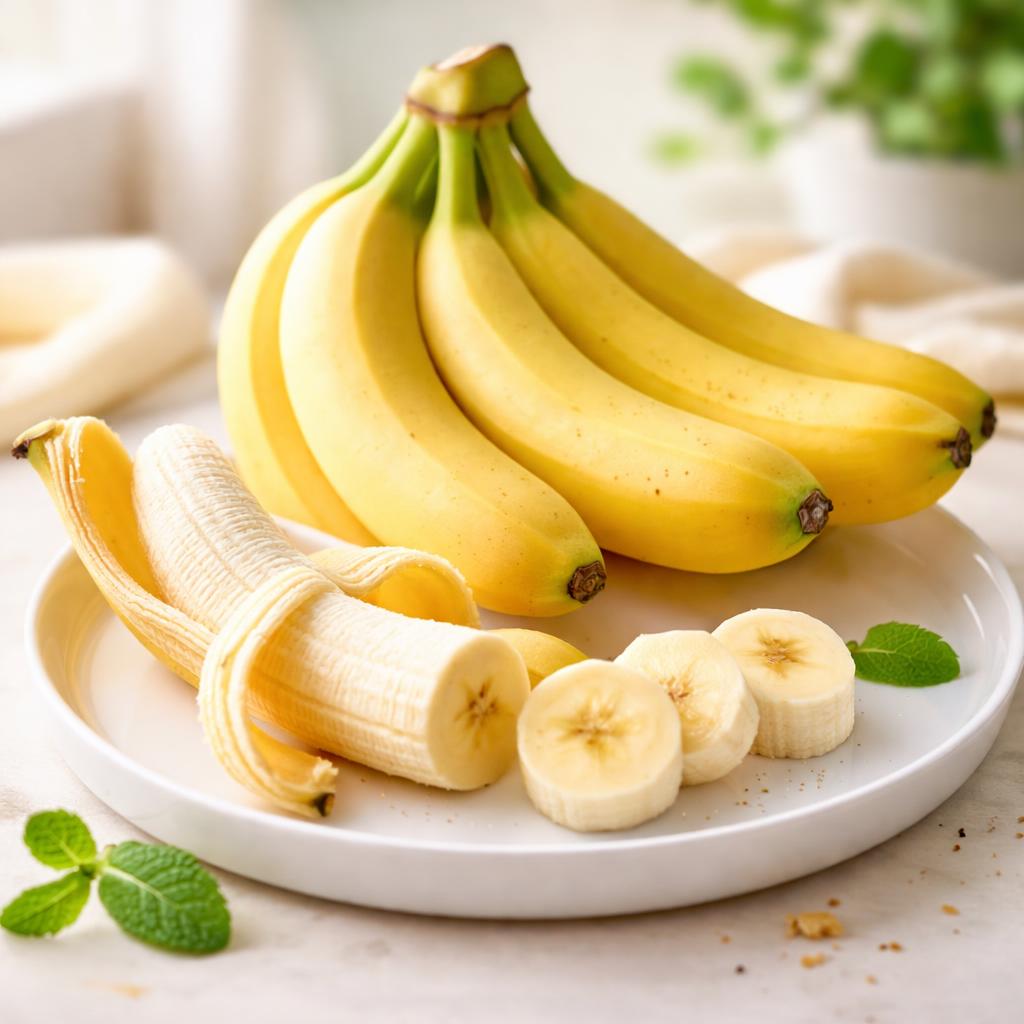
Banana

Yogurt
🎯 Quick Verdict
Yogurt provides more protein per serving (9g vs. 1g in banana), making it ideal for muscle growth or recovery. Bananas shine in fiber content (3g vs. 0g in yogurt) and are also lower in fat. Yogurt supports gut health with probiotics, while bananas provide quick energy and key electrolytes like potassium. Both are excellent choices depending on dietary goals, but yogurt is more versatile for protein-focused diets while bananas are perfect pre-workout snacks or quick energy boosts.

Smart Nutrition Tracking with SnapCalorie

📊 Nutritional Comparison
Macronutrients
| Nutrient | Food 1 | Food 2 | Winner |
|---|---|---|---|
| Calories | 105 (per medium banana) | 59 (per 100g plain yogurt) | ✓ |
| Protein | 1g | 9g | ✓ |
| Carbs | 27g | 3.6g | ✓ |
| Fat | 0.3g | 0.4g (plain, nonfat) | ✓ |
| Fiber | 3g | 0g | ✓ |
Vitamins & Minerals
| Nutrient | Food 1 | Food 2 | Winner |
|---|---|---|---|
| Vitamin C | 12mg | 0mg | ✓ |
| Vitamin D | 0mcg | 1.5mcg | ✓ |
| Calcium | 5mg | 110mg | ✓ |
| Iron | 0.3mg | 0mg | ✓ |
| Potassium | 422mg | 141mg | ✓ |
🏆 Category Winners
Protein
Yogurt contains 800% more protein per serving than banana, making it ideal for protein-focused diets.
Fiber
Banana contains 3g of fiber while yogurt provides none.
Calories
Yogurt is lower in calories (59 vs 105).
Vitamins
Banana is rich in Vitamin C and potassium, whereas yogurt offers Vitamin D and calcium.
🥗 Diet Compatibility
Keto
Food 1: Not Compatible
Food 2: Compatible
Bananas are high in carbs; plain yogurt is low-carb, making it suitable for keto diets.
Vegan
Food 1: Compatible
Food 2: Not Compatible
Bananas are plant-based, while regular yogurt is derived from dairy.
Gluten Free
Food 1: Compatible
Food 2: Compatible
Neither food contains gluten, making both suitable for gluten-free diets.
Paleo
Food 1: Compatible
Food 2: Not Compatible
Bananas align with paleo principles while yogurt does not due to dairy.
Low-Carb
Food 1: Not Compatible
Food 2: Compatible
Bananas are high in carbs, but plain yogurt has only 3.6g of carbs per 100g.
💪 Health Benefits Comparison
Food 1 Benefits
- High potassium content for electrolyte balance and heart health
- Rich in fiber to support digestion and gut health
- Contains Vitamin C for immune support and skin health
- Provides quick energy from natural sugars, ideal for athletes
Food 2 Benefits
- Rich in protein to support muscle growth and repair
- Contains probiotics for gut health and immune support
- Provides calcium for strong bones and teeth
- Vitamin D content aids in calcium absorption and bone health
✅ The Bottom Line
Choose bananas when you're looking for a quick energy source, digestive health support, or potassium boost. Opt for yogurt when prioritizing protein intake, gut health, or bone strength. Both serve unique purposes and can complement each other in a balanced diet.
Choose Food 1 for: Pre-workout energy, digestion, electrolyte maintenance
Choose Food 2 for: Post-workout recovery, high-protein diets, gut health


