Banana VS Tea
A detailed nutritional comparison
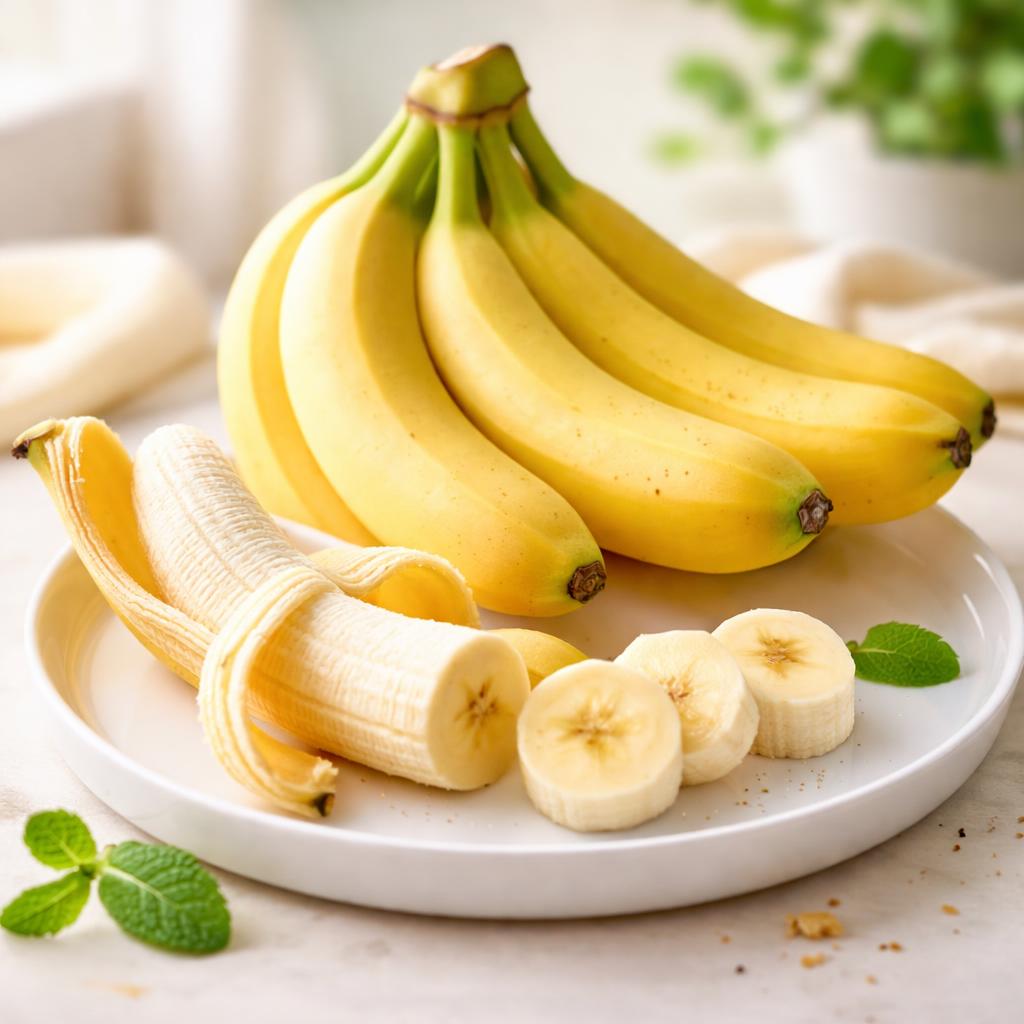
Banana
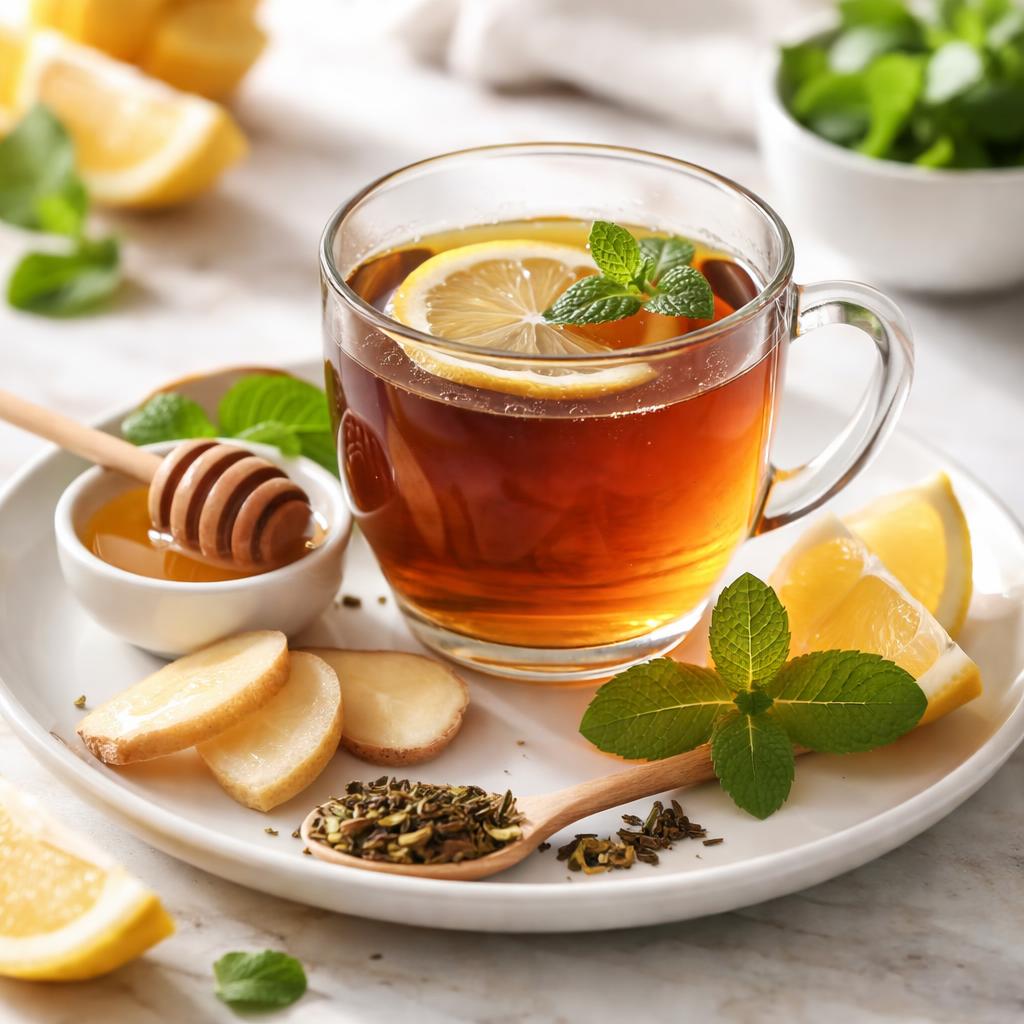
Tea
🎯 Quick Verdict
Bananas and tea serve very different dietary roles. Bananas are nutrient-dense, offering fiber, potassium, and natural energy, while tea has minimal calories and no macronutrients but provides antioxidants. Bananas are great for fueling activity or getting quick digestion support, while tea is ideal for hydration and antioxidant intake with almost no caloric impact.

Smart Nutrition Tracking with SnapCalorie

📊 Nutritional Comparison
Macronutrients
| Nutrient | Food 1 | Food 2 | Winner |
|---|---|---|---|
| Calories | 105 | 2 | ✓ |
| Protein | 1.3g | 0g | − |
| Carbs | 27g | 0g | ✓ |
| Fat | 0.3g | 0g | ✓ |
| Fiber | 3.1g | 0g | ✓ |
Vitamins & Minerals
| Nutrient | Food 1 | Food 2 | Winner |
|---|---|---|---|
| Vitamin C | 10.3mg | 0mg | ✓ |
| Vitamin B6 | 0.4mg | 0mg | ✓ |
| Potassium | 422mg | 1mg | ✓ |
🏆 Category Winners
Protein
Both foods offer very minimal protein.
Fiber
Banana provides 3.1g of fiber, while tea has none.
Calories
Tea has only 2 calories per serving, significantly lower than banana.
Vitamins
Bananas contain vitamin C, B6, and potassium, which tea lacks.
🥗 Diet Compatibility
Keto
Food 1: Not Compatible
Food 2: Compatible
Banana is high in carbs (27g), while tea has none.
Vegan
Food 1: Compatible
Food 2: Compatible
Both are plant-based.
Gluten Free
Food 1: Compatible
Food 2: Compatible
Neither contains gluten.
Paleo
Food 1: Compatible
Food 2: Compatible
Neither food contains processed additives.
Low-Carb
Food 1: Not Compatible
Food 2: Compatible
Tea is a carb-free beverage, while banana is high in carbs.
💪 Health Benefits Comparison
Food 1 Benefits
- Rich in potassium for heart health and electrolyte balance
- High in fiber for improved digestion
- Provides natural energy from carbohydrates
- Contains vitamin C for immune function
Food 2 Benefits
- Rich in antioxidants, especially catechins, for fighting free radicals
- May support hydration while being calorie-free
- Can aid mental alertness (especially green or black teas with caffeine)
- Promotes relaxation (herbal teas such as chamomile)
✅ The Bottom Line
When choosing between bananas and tea, the decision depends on your dietary needs. Bananas are ideal for quick energy, muscle support, and digestion, while tea is best for low-calorie hydration and antioxidant benefits. Both can play complementary roles in a healthy diet.
Choose Food 1 for: Active lifestyles, pre-/post-workout energy, electrolyte replenishment
Choose Food 2 for: Low-calorie diets, hydration, antioxidant support


