Banana VS Strawberry Protein Powder
A detailed nutritional comparison
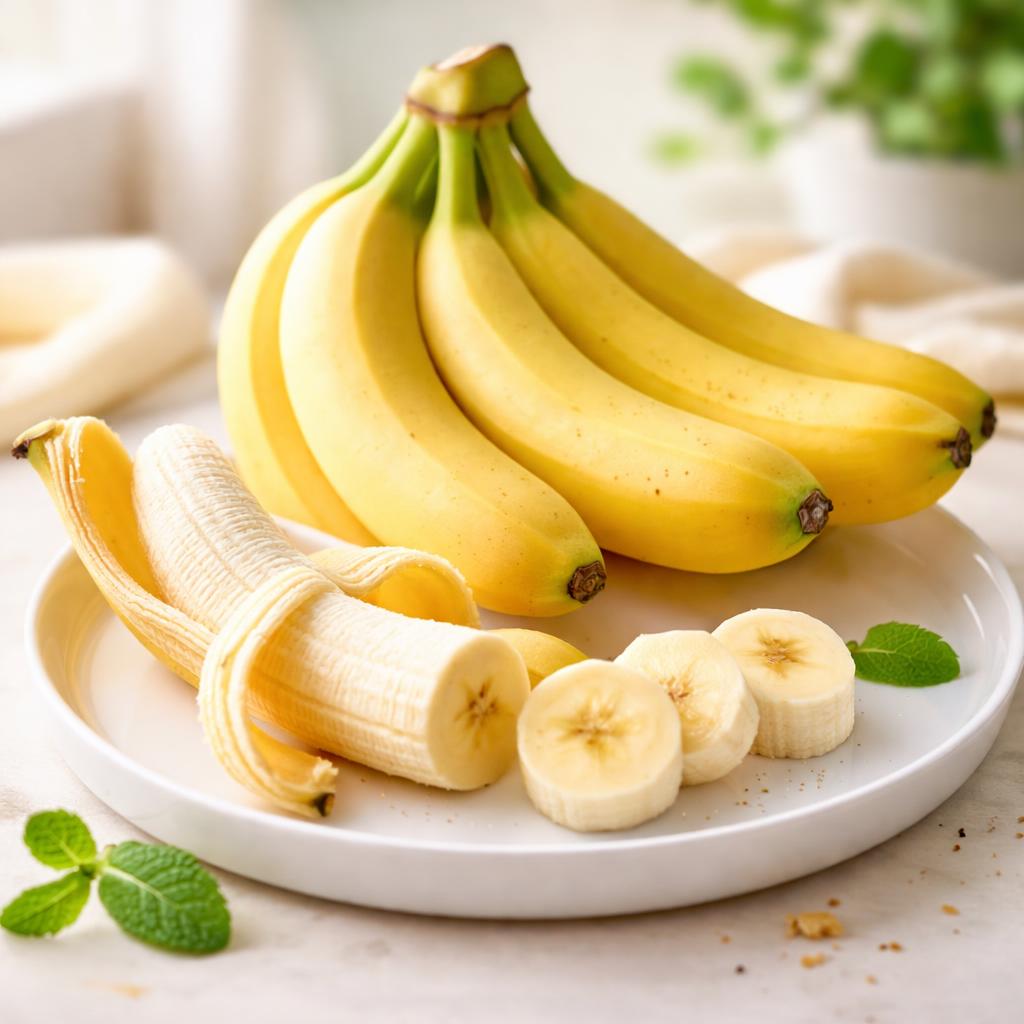
Banana
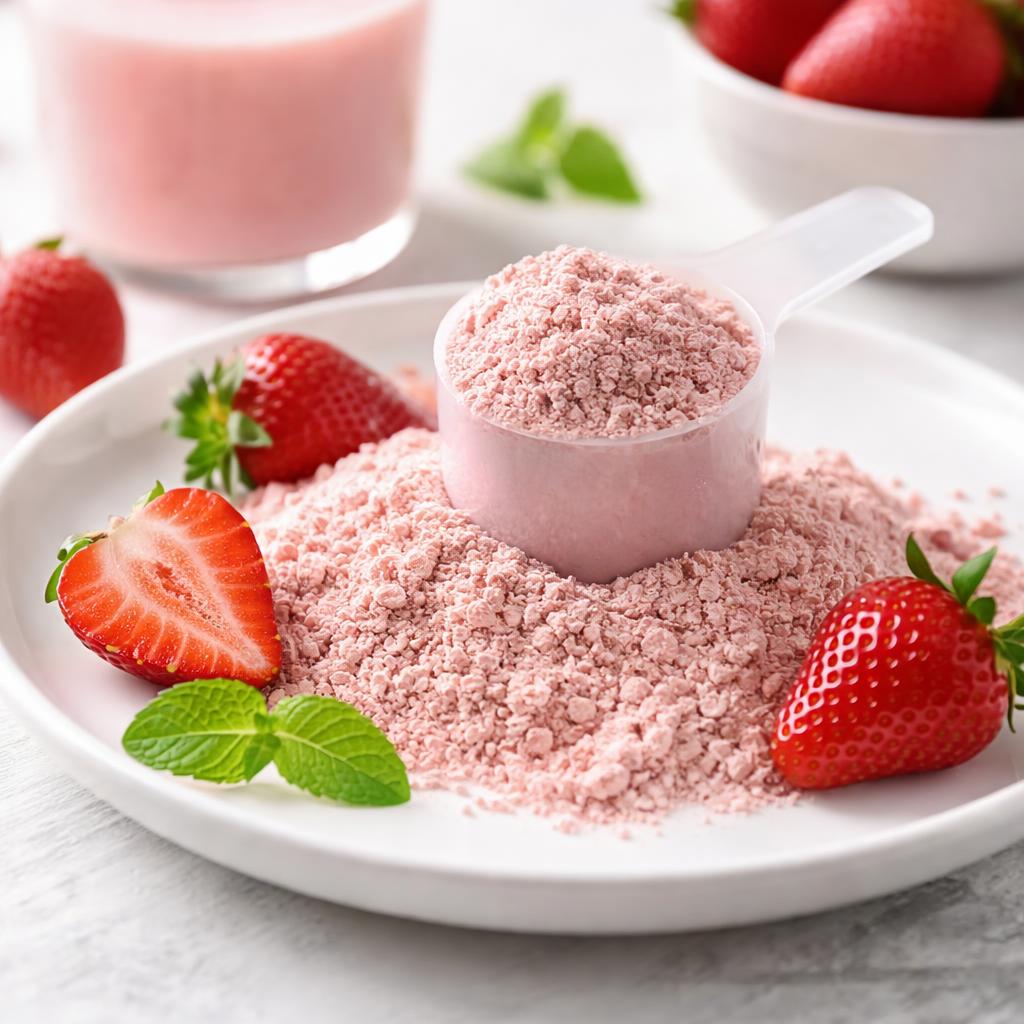
Strawberry Protein Powder
🎯 Quick Verdict
Strawberry protein powder is significantly higher in protein and contains fewer carbs but has more calories compared to a banana. Bananas excel in fiber and nutrient density, making them ideal for a light snack or fueling physical activity. Protein powder is better suited for high-protein diets, muscle recovery, and supplementation needs.

Smart Nutrition Tracking with SnapCalorie

📊 Nutritional Comparison
Macronutrients
| Nutrient | Food 1 | Food 2 | Winner |
|---|---|---|---|
| Calories | 105 | 120 | ✓ |
| Protein | 1.3g | 20g | ✓ |
| Carbs | 27g | 5g | ✓ |
| Fat | 0.3g | 2g | ✓ |
| Fiber | 3g | 1g | ✓ |
Vitamins & Minerals
| Nutrient | Food 1 | Food 2 | Winner |
|---|---|---|---|
| Vitamin C | 10mg | 20mg | ✓ |
| Potassium | 422mg | 150mg | ✓ |
| Iron | 0.3mg | 5mg | ✓ |
🏆 Category Winners
Protein
Strawberry protein powder has over 15 times the protein content compared to a banana.
Fiber
Banana contains three times more fiber than protein powder.
Calories
A banana has fewer calories, making it lighter for a snack.
Vitamins
Protein powder is fortified with higher levels of vitamins like Vitamin C and iron.
🥗 Diet Compatibility
Keto
Food 1: Not Compatible
Food 2: Compatible
Bananas are high in carbs, while protein powder is low-carb.
Vegan
Food 1: Compatible
Food 2: Depends on type
Bananas are plant-based, but some protein powders may contain dairy.
Gluten Free
Food 1: Compatible
Food 2: Compatible
Both are naturally free of gluten.
Paleo
Food 1: Compatible
Food 2: Depends on type
Bananas fit the paleo diet, but protein powders may contain processed ingredients.
Low-Carb
Food 1: Not Compatible
Food 2: Compatible
Bananas are high in carbs, making them unsuited for low-carb diets.
💪 Health Benefits Comparison
Food 1 Benefits
- Rich in potassium for heart and muscle health
- Contains natural fiber to support digestion
- Provides quick energy from natural sugars
- Packed with antioxidants and vitamin B6
Food 2 Benefits
- Excellent source of protein for muscle recovery
- Fortified with vitamins like iron and Vitamin C
- Low-carb option suitable for targeted diets
- Convenient for supplementation and boosting protein intake
✅ The Bottom Line
Bananas are an excellent choice for quick energy, fiber, and natural potassium, making them ideal for snacks and physical activity. Strawberry protein powder is far superior in protein content and low-carb compatibility, making it better suited for muscle-building diets or post-workout recovery. Choose based on your dietary goals and use cases.
Choose Food 1 for: Snacks, pre-workout fuel, natural digestion support
Choose Food 2 for: High-protein diets, post-workout recovery, low-carb diets


