Banana VS Sourdough
A detailed nutritional comparison
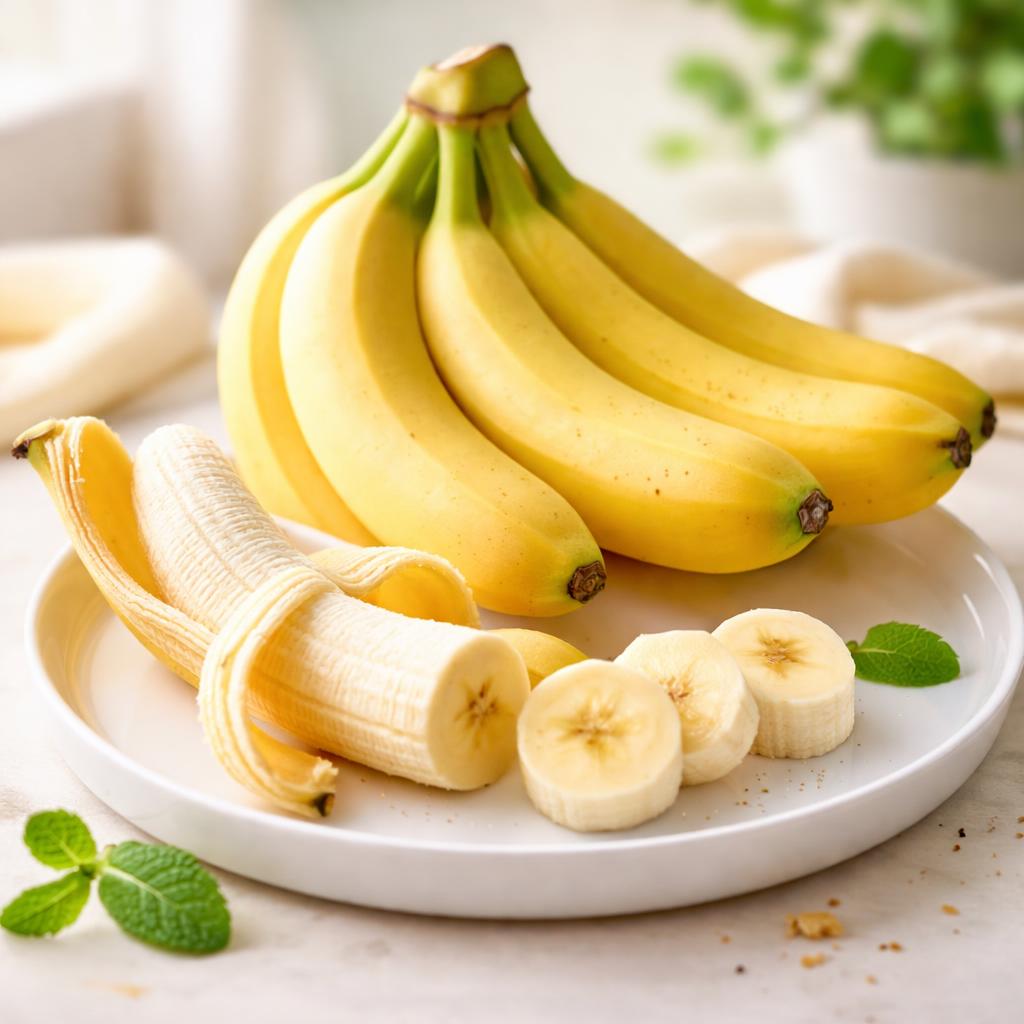
Banana
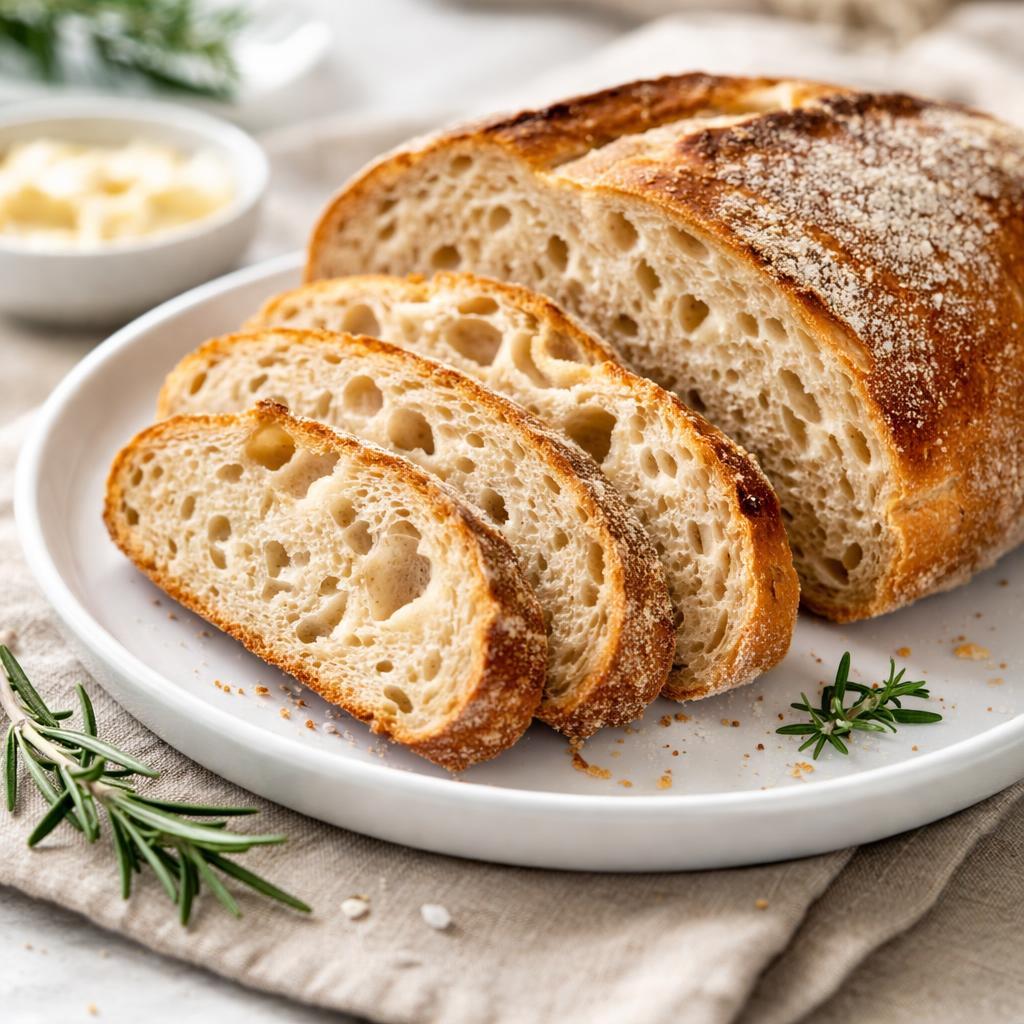
Sourdough
🎯 Quick Verdict
Bananas are lower in calories, higher in fiber, and packed with essential nutrients like potassium and vitamin C, making them ideal for energy and digestion. Sourdough offers more protein and is a great source of energy, with a unique fermentation process that can aid gut health. Each has distinct strengths depending on dietary needs and goals.

Smart Nutrition Tracking with SnapCalorie

📊 Nutritional Comparison
Macronutrients
| Nutrient | Food 1 | Food 2 | Winner |
|---|---|---|---|
| Calories | 105 | 160 | − |
| Protein | 1.3g | 5g | − |
| Carbs | 27g | 32g | − |
| Fat | 0.3g | 1g | − |
| Fiber | 3g | 1g | − |
Vitamins & Minerals
| Nutrient | Food 1 | Food 2 | Winner |
|---|---|---|---|
| Vitamin C | 10mg | 0mg | − |
| Potassium | 422mg | 96mg | − |
| Iron | 0.3mg | 0.8mg | − |
🏆 Category Winners
Protein
Sourdough has nearly four times more protein per serving than a banana.
Fiber
Banana provides three times the fiber compared to sourdough.
Calories
Bananas have approximately 35% fewer calories per serving than sourdough.
Vitamins
Bananas are rich in vitamin C and potassium, which sourdough lacks.
🥗 Diet Compatibility
Keto
Food 1: Not Compatible
Food 2: Not Compatible
Both foods are too high in carbohydrates for a typical keto diet.
Vegan
Food 1: Compatible
Food 2: Compatible
Both foods are plant-based and suitable for vegan diets.
Gluten Free
Food 1: Compatible
Food 2: Not Compatible
Bananas are naturally gluten-free, but sourdough contains gluten from wheat.
Paleo
Food 1: Compatible
Food 2: Not Compatible
Bananas fit into the paleo diet, while sourdough does not due to processed grains.
Low-Carb
Food 1: Not Compatible
Food 2: Not Compatible
Both foods are relatively high in carbohydrates and not suitable for a low-carb diet.
💪 Health Benefits Comparison
Food 1 Benefits
- High in potassium for heart and muscle health
- Rich in vitamin C to support immunity
- Excellent source of fiber for better digestion
- Quick energy boost due to natural sugars
Food 2 Benefits
- Good source of protein for muscle growth and maintenance
- Contains beneficial compounds from fermentation supporting gut health
- Provides stable energy from complex carbs
- Rich in some minerals like iron
✅ The Bottom Line
Choose bananas for a quick, nutrient-packed snack or energy boost, especially if you're looking for heart health or improved digestion. Opt for sourdough when you want a more filling, protein-rich food with gut health benefits. Consider combining them for balanced meals.
Choose Food 1 for: Energy boost, digestion, heart health, light snack
Choose Food 2 for: Gut health, protein intake, sustained energy


