Banana VS Salmon Sushi Roll
A detailed nutritional comparison
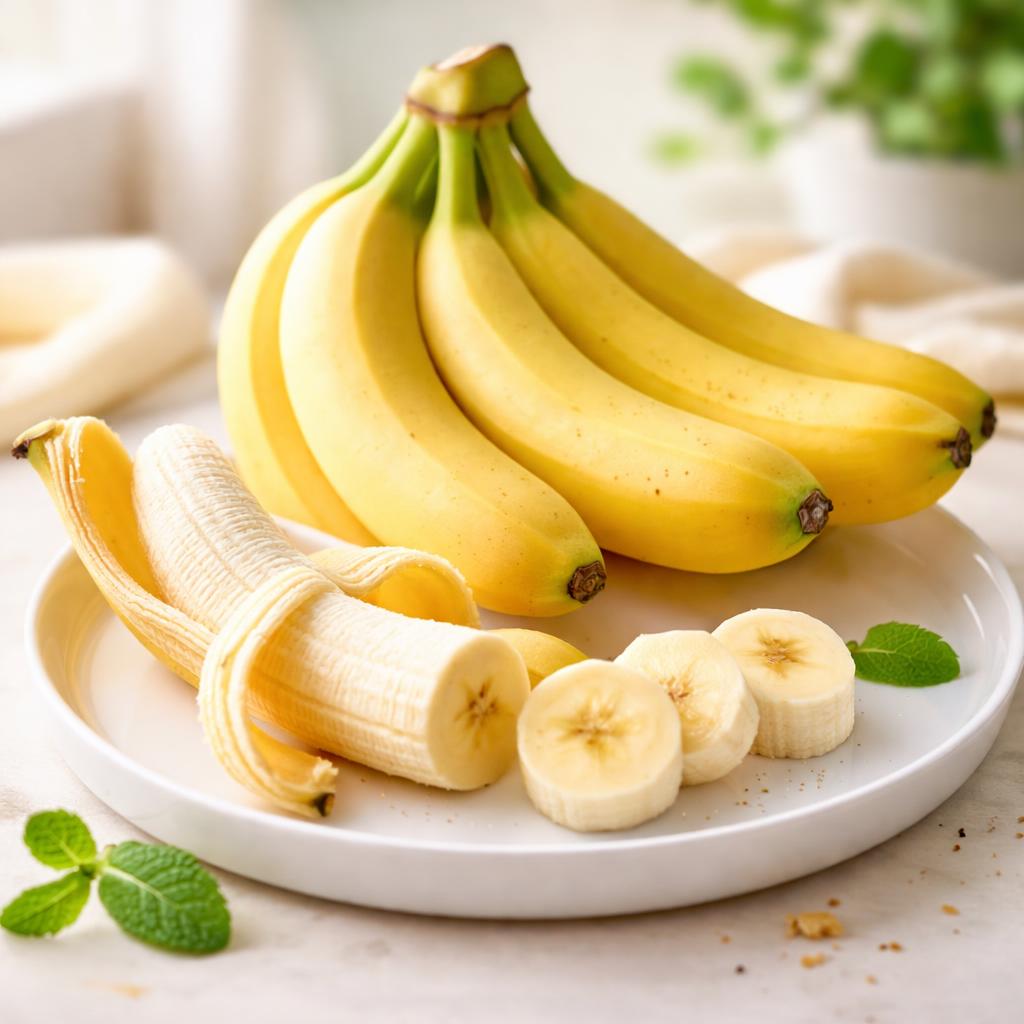
Banana
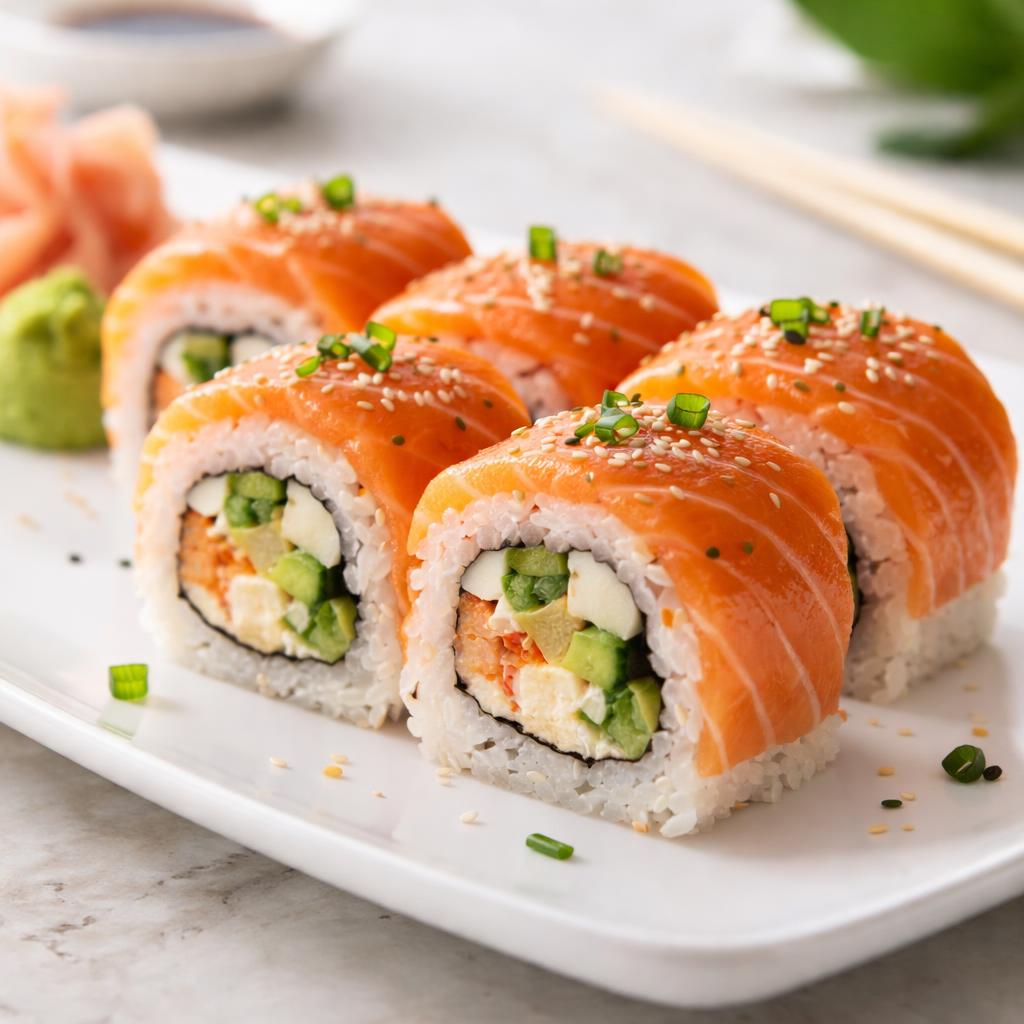
Salmon Sushi Roll
🎯 Quick Verdict
Bananas and salmon sushi rolls are nutritionally distinct. Bananas excel in providing fiber, quick energy, and potassium, making them perfect for snacking and workouts. Salmon sushi rolls are rich in protein, omega-3 fatty acids, and lower in calories per serving, providing more sustained energy and benefits for heart health and muscle recovery.

Smart Nutrition Tracking with SnapCalorie

📊 Nutritional Comparison
Macronutrients
| Nutrient | Food 1 | Food 2 | Winner |
|---|---|---|---|
| Calories | 105 | 80 | ✓ |
| Protein | 1.3g | 5.5g | ✓ |
| Carbs | 27g | 12g | ✓ |
| Fat | 0.3g | 3.5g | ✓ |
| Fiber | 3.1g | 0.5g | ✓ |
Vitamins & Minerals
| Nutrient | Food 1 | Food 2 | Winner |
|---|---|---|---|
| Vitamin D | 0mcg | 3mcg | ✓ |
| Potassium | 422mg | 120mg | ✓ |
| Vitamin C | 10mg | 0mg | ✓ |
| Omega-3 | 0g | 1.2g | ✓ |
🏆 Category Winners
Protein
Salmon sushi roll has over 4x more protein than a banana, providing a stronger contribution to muscle growth and repair.
Fiber
Banana contains 6x more fiber, promoting better digestion and improving gut health.
Calories
Salmon sushi roll is lower in calories per serving, making it a better choice for calorie-conscious diets.
🥗 Diet Compatibility
Keto
Food 1: Not Compatible
Food 2: Not Compatible
Both foods contain moderate to high carbs and are not suitable for a keto diet.
Vegan
Food 1: Compatible
Food 2: Not Compatible
Bananas are plant-based, whereas salmon sushi rolls contain fish, making them non-vegan.
Gluten Free
Food 1: Compatible
Food 2: Varies
Bananas are naturally gluten-free. Salmon sushi rolls may be gluten-free but could contain soy sauce, which may not be safe without verification.
Paleo
Food 1: Compatible
Food 2: Semi-Compatible
Bananas are paleo-friendly. Salmon sushi rolls can fit paleo guidelines if prepared without rice or processed ingredients.
Low-Carb
Food 1: Not Compatible
Food 2: Semi-Compatible
Bananas are high in carbohydrates. Salmon sushi rolls can fit lower-carb diets, depending on rice portion.
💪 Health Benefits Comparison
Food 1 Benefits
- Excellent source of potassium, aiding muscle function and heart health
- Provides natural carbohydrates for quick energy
- Rich in dietary fiber to promote digestive health
- Contains Vitamin C for immune support
Food 2 Benefits
- High in protein, supporting muscle repair and growth
- Rich in omega-3 fatty acids for heart and brain health
- Delivers Vitamin D, promoting bone health and immune function
- Low in calories, aiding in weight management
✅ The Bottom Line
Both foods offer unique benefits depending on your priorities. Choose bananas for fiber, quick energy, and potassium, ideal for pre-workout or snacking. Opt for salmon sushi rolls for protein, healthy fats, and lighter calories, making it a great option for muscle-building and heart health.
Choose Food 1 for: Snacking, pre-workout, digestion support
Choose Food 2 for: Heart health, post-workout recovery, low-calorie diets


