Banana VS Rum
A detailed nutritional comparison
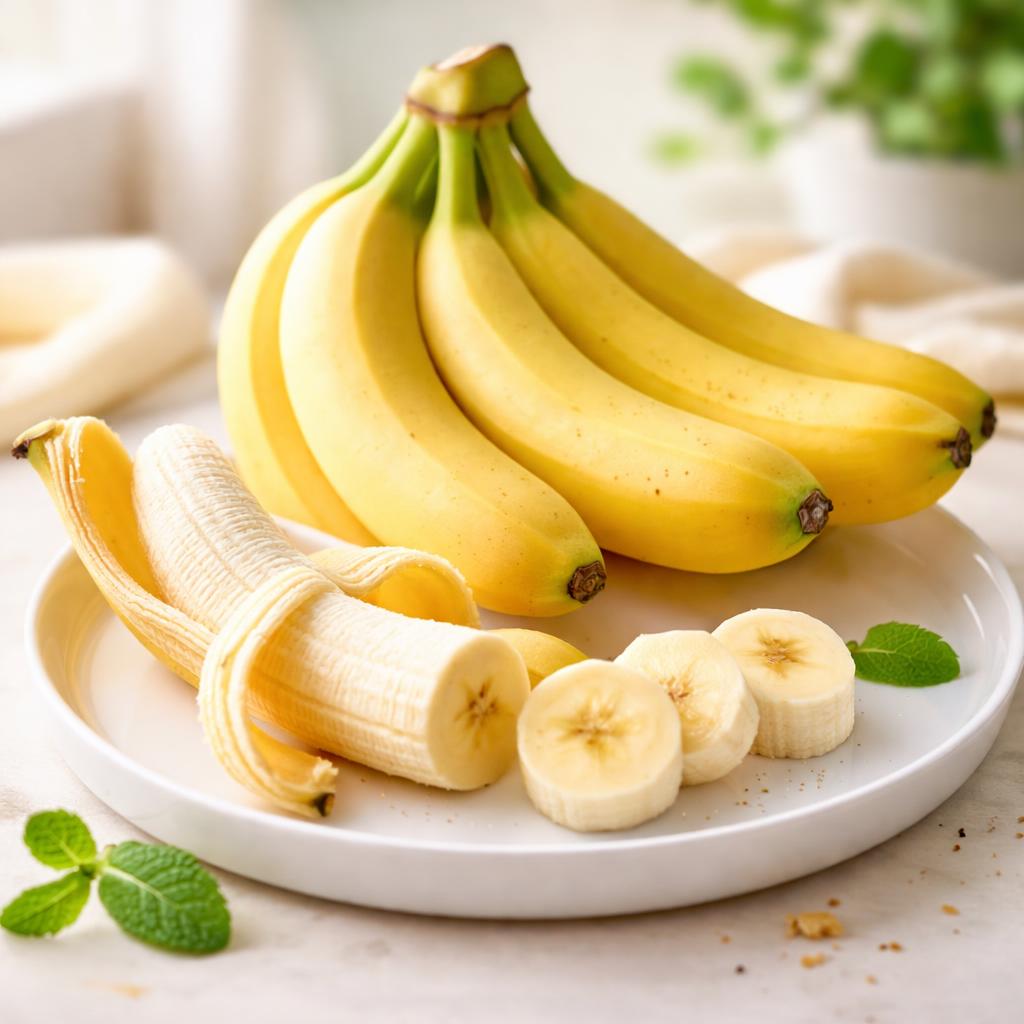
Banana
Rum
🎯 Quick Verdict
Bananas offer valuable nutrients like fiber, potassium, and vitamins, while rum provides no nutritional value but is calorie-heavy due to alcohol content. Bananas are ideal for health-conscious snacking, whereas rum is meant for occasional indulgence rather than sustenance.

Smart Nutrition Tracking with SnapCalorie

📊 Nutritional Comparison
Macronutrients
| Nutrient | Food 1 | Food 2 | Winner |
|---|---|---|---|
| Calories | 105 | 97 (per 1 oz) | ✓ |
| Protein | 1.3g | 0g | ✓ |
| Carbs | 27g | 0g | ✓ |
| Fat | 0.3g | 0g | ✓ |
| Fiber | 3.1g | 0g | ✓ |
Vitamins & Minerals
| Nutrient | Food 1 | Food 2 | Winner |
|---|---|---|---|
| Potassium | 422mg | 0mg | ✓ |
| Vitamin C | 10mg | 0mg | ✓ |
| Vitamin B6 | 0.4mg | 0mg | ✓ |
🏆 Category Winners
Protein
Banana contains 1.3g of protein, while rum provides none.
Fiber
Banana offers 3.1g of fiber per serving, supporting digestion.
Calories
Banana has slightly more calories but provides energy with nutrient benefits compared to empty calories in rum.
🥗 Diet Compatibility
Keto
Food 1: Not Compatible
Food 2: Compatible
Rum contains no carbs, whereas bananas are high-carb.
Vegan
Food 1: Compatible
Food 2: Compatible
Both foods are plant-based or animal-free.
Gluten Free
Food 1: Compatible
Food 2: Compatible
Neither food contains gluten.
Paleo
Food 1: Compatible
Food 2: Not Compatible
Bananas align with paleo diet principles, but rum is processed alcohol.
Low-Carb
Food 1: Not Compatible
Food 2: Compatible
Bananas are high in carbohydrates, while rum is carb-free.
💪 Health Benefits Comparison
Food 1 Benefits
- Rich in potassium for heart and muscle health
- Good source of fiber for digestive health
- Provides natural energy from carbohydrates
- Contains vitamin C for immune system support
Food 2 Benefits
- Acts as an occasional stress reliever
- May promote relaxation in moderate amounts
- Provides no direct health benefits but can be enjoyed socially
✅ The Bottom Line
Bananas are a nutrient-packed choice for energy, digestion, and overall health, whereas rum should be consumed sparingly and lacks nutritional value. Choose bananas for sustained energy and health benefits, and rum for occasional social drinking in moderation.
Choose Food 1 for: Everyday snacking, fueling workouts, replenishing nutrients
Choose Food 2 for: Occasional indulgence, celebrations, and social settings


