Banana VS Roast Pumpkin
A detailed nutritional comparison
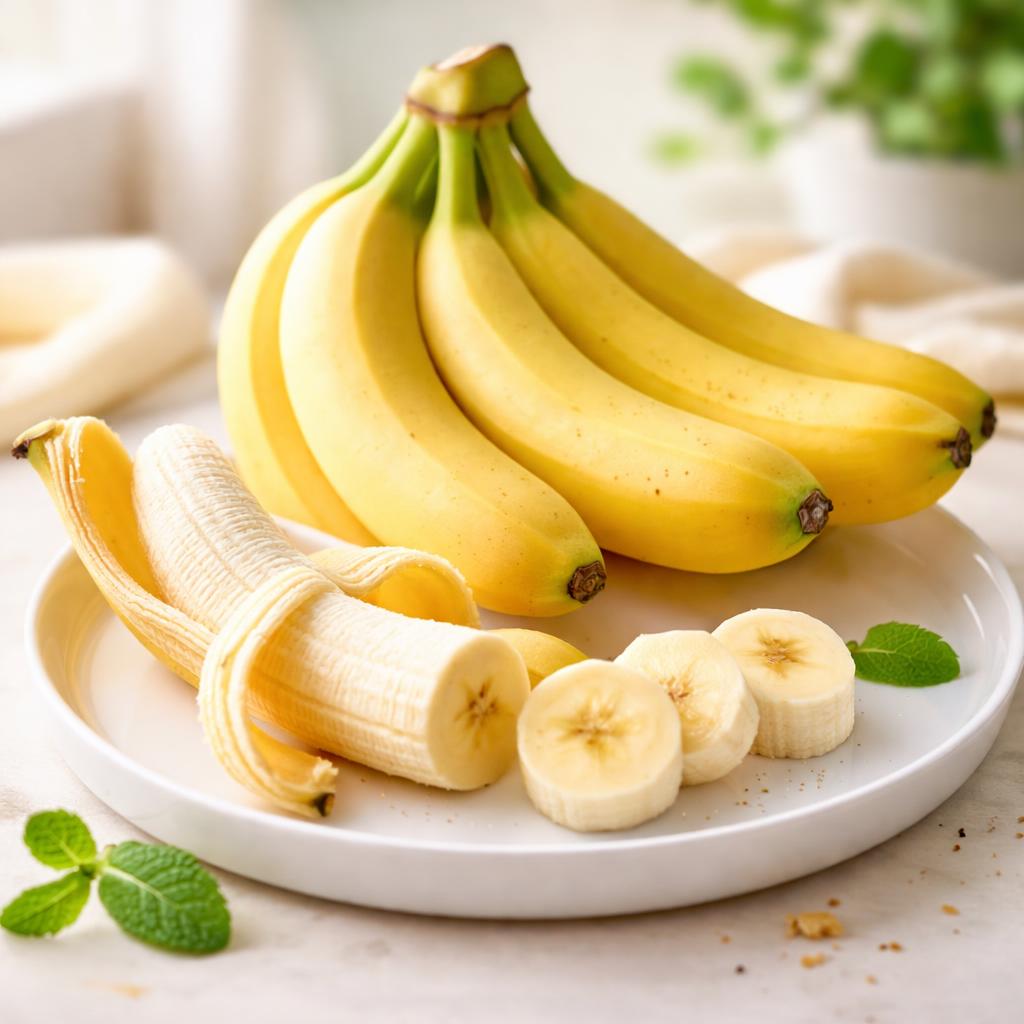
Banana
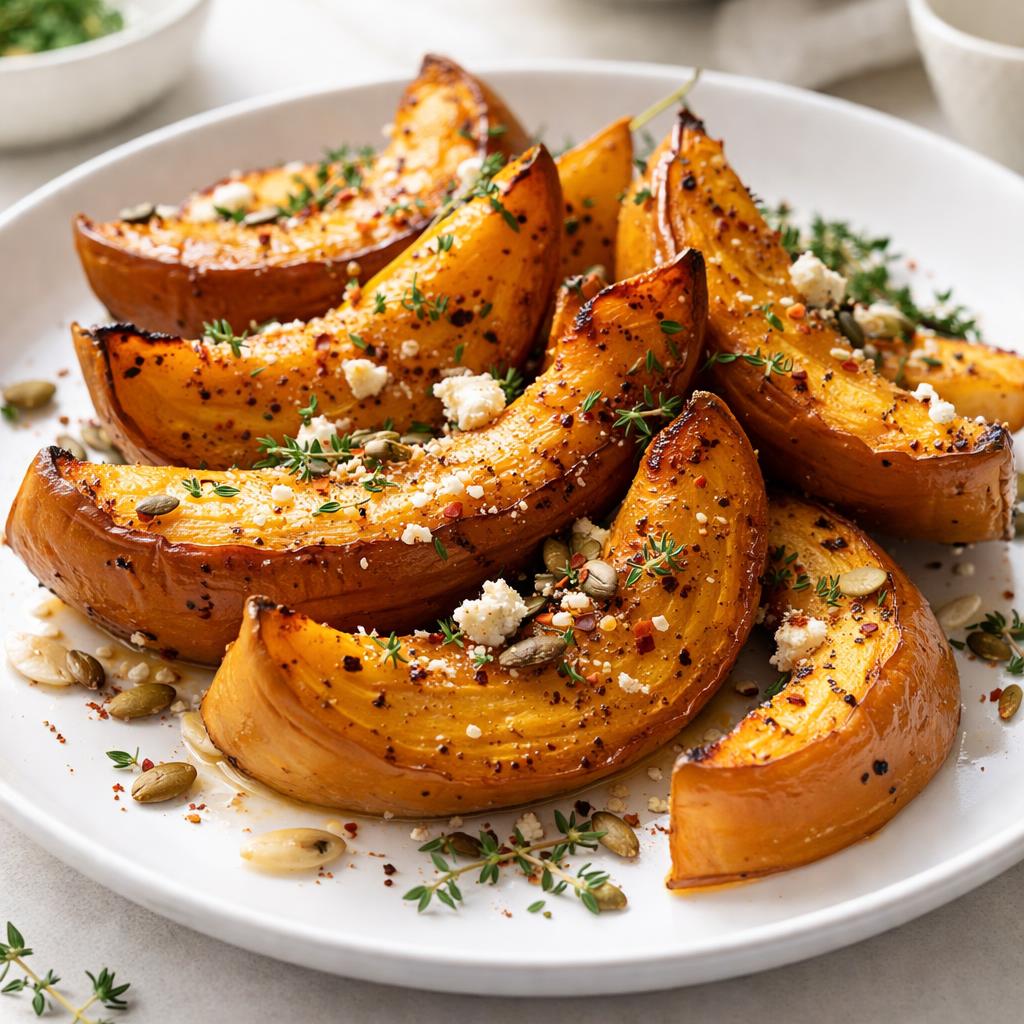
Roast Pumpkin
🎯 Quick Verdict
While bananas are higher in carbohydrates and provide quick energy due to natural sugars, roast pumpkin excels as a low-calorie, nutrient-dense option, offering more protein and fiber. Bananas are great for a quick snack or recovery, whereas roast pumpkin suits weight-loss diets and balanced meals due to its lower calories and versatile use in dishes.

Smart Nutrition Tracking with SnapCalorie

📊 Nutritional Comparison
Macronutrients
| Nutrient | Food 1 | Food 2 | Winner |
|---|---|---|---|
| Calories | 105 (medium banana, 118g) | 45 (1 cup, 120g) | ✓ |
| Protein | 1.3g | 2g | ✓ |
| Carbs | 27g | 10g | ✓ |
| Fat | 0.3g | 0.1g | ✓ |
| Fiber | 3.1g | 3.6g | ✓ |
Vitamins & Minerals
| Nutrient | Food 1 | Food 2 | Winner |
|---|---|---|---|
| Vitamin A | 76 IU | 12250 IU | ✓ |
| Vitamin C | 10.3mg | 11mg | ✓ |
| Potassium | 422mg | 245mg | ✓ |
| Iron | 0.31mg | 0.7mg | ✓ |
| Calcium | 6mg | 22mg | ✓ |
🏆 Category Winners
Protein
Roast pumpkin contains 54% more protein than a banana per serving.
Fiber
Roast pumpkin provides slightly more fiber, aiding digestive health.
Calories
Roast pumpkin is significantly lower in calories, ideal for weight management.
Vitamins
Roast pumpkin excels in Vitamin A and iron content, making it a more nutrient-rich choice overall.
🥗 Diet Compatibility
Keto
Food 1: Not Compatible
Food 2: Compatible
Food2 is lower in carbs (10g), suitable for keto diets.
Vegan
Food 1: Compatible
Food 2: Compatible
Both foods are plant-based and vegan-friendly.
Gluten Free
Food 1: Compatible
Food 2: Compatible
Neither contains gluten.
Paleo
Food 1: Compatible
Food 2: Compatible
Both foods fit into paleo diets as whole, natural foods.
Low-Carb
Food 1: Not Compatible
Food 2: Compatible
Roast pumpkin has substantially fewer carbs than banana.
💪 Health Benefits Comparison
Food 1 Benefits
- Provides quick energy through natural sugars.
- Rich in potassium for electrolyte balance and heart health.
- Moderate fiber content supports digestion.
Food 2 Benefits
- Low in calories, making it ideal for weight management.
- High in Vitamin A, promoting eye health and immunity.
- Rich in antioxidants for cellular health.
- Contains iron and calcium for strong bones and improved oxygen transport.
✅ The Bottom Line
Choose bananas for a quick energy boost or as a post-workout snack due to their higher carbs and potassium content. Opt for roast pumpkin for nutrient density, fiber, and lower-calorie content, making it perfect for weight management and balanced meals.
Choose Food 1 for: Quick energy, post-workout recovery, snack options
Choose Food 2 for: Weight loss, nutrient-dense meals, low-calorie diets


