Banana VS Roast Duck
A detailed nutritional comparison
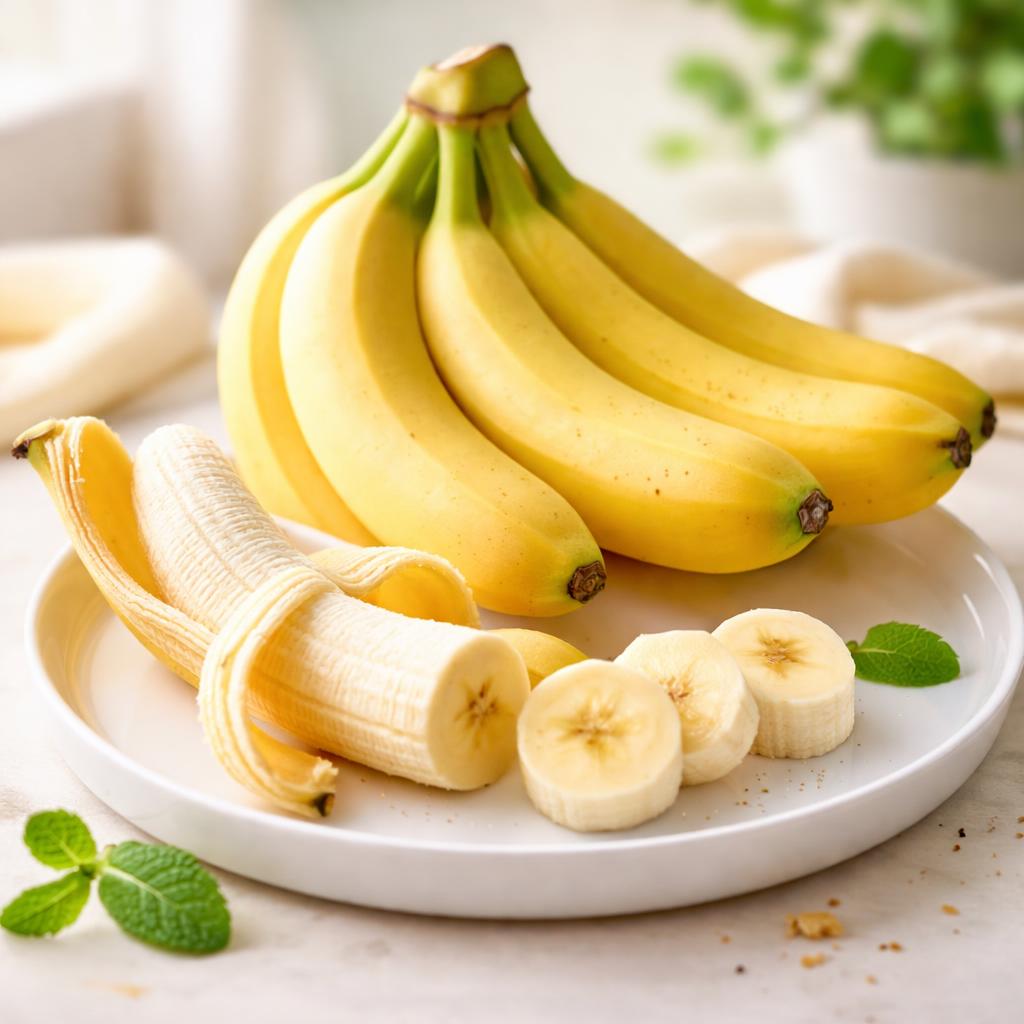
Banana
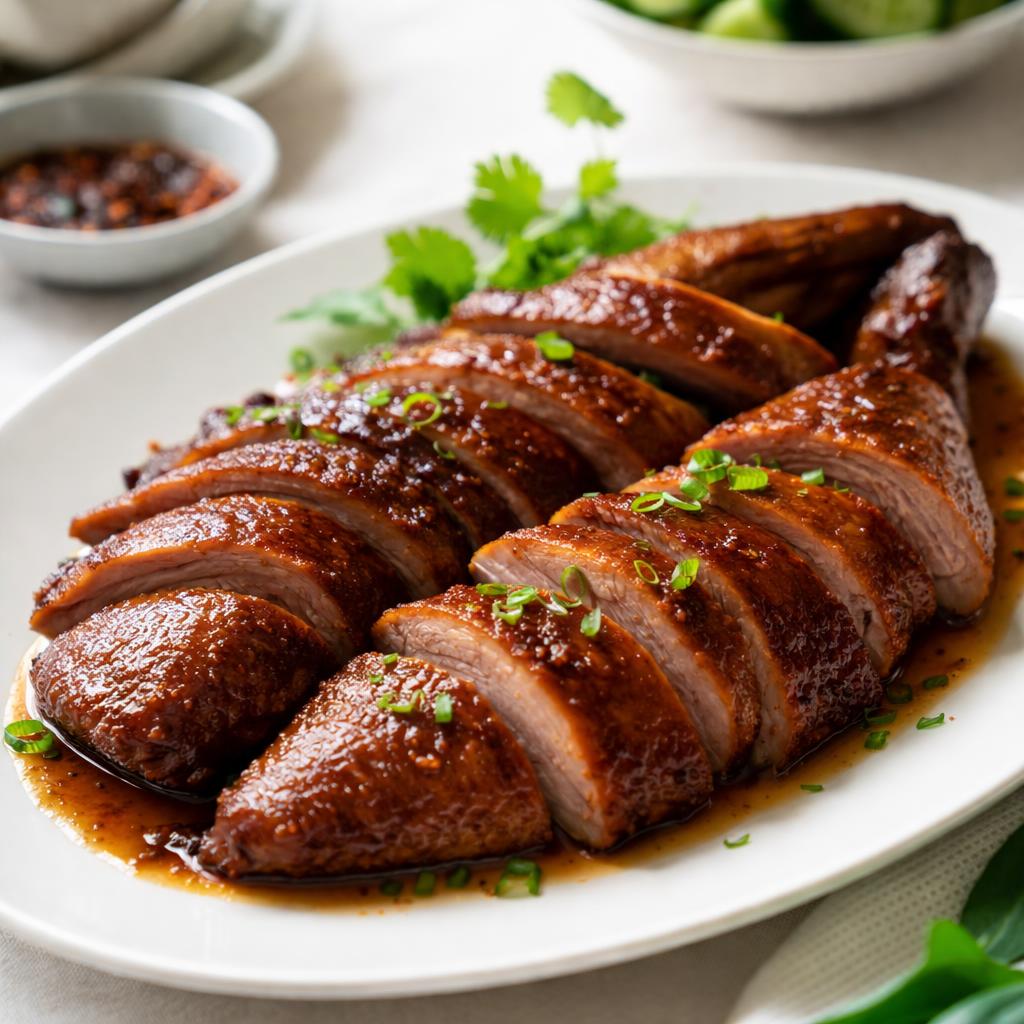
Roast Duck
🎯 Quick Verdict
Bananas are a low-calorie, high-fiber fruit suitable for quick energy, digestive health, and carb-based diets. Roast duck is dense with protein and fats, making it ideal for keto diets, muscle building, and indulgent meals. Choosing between them depends on your dietary goals — energy and lightness (banana) vs satiation and protein (duck).

Smart Nutrition Tracking with SnapCalorie

📊 Nutritional Comparison
Macronutrients
| Nutrient | Food 1 | Food 2 | Winner |
|---|---|---|---|
| Calories | 105 | 335 | ✓ |
| Protein | 1.3g | 19g | ✓ |
| Carbs | 27g | 0g | ✓ |
| Fat | 0.3g | 28g | ✓ |
| Fiber | 3g | 0g | ✓ |
Vitamins & Minerals
| Nutrient | Food 1 | Food 2 | Winner |
|---|---|---|---|
| Vitamin D | 0mcg | 1mcg | ✓ |
| Calcium | 6mg | 11mg | ✓ |
| Iron | 0.3mg | 2.7mg | ✓ |
| Vitamin C | 10mg | 0mg | ✓ |
| Potassium | 422mg | 240mg | ✓ |
🏆 Category Winners
Protein
Roast duck contains over 10 times more protein per serving than banana.
Fiber
Bananas provide 3g of fiber per serving, while duck contains none.
Calories
Bananas are significantly lower in calories than roast duck.
Vitamins
Bananas offer higher potassium and vitamin C content, beneficial for energy and immune support.
🥗 Diet Compatibility
Keto
Food 1: Not Compatible
Food 2: Compatible
Roast duck is low-carb and high-fat, suitable for keto diets.
Vegan
Food 1: Compatible
Food 2: Not Compatible
Bananas are plant-based, while duck is animal-derived.
Gluten Free
Food 1: Compatible
Food 2: Compatible
Neither contains gluten naturally.
Paleo
Food 1: Compatible
Food 2: Compatible
Both are acceptable under the paleo diet guidelines.
Low Carb
Food 1: Not Compatible
Food 2: Compatible
Duck is carb-free, while bananas are high in carbohydrates.
💪 Health Benefits Comparison
Food 1 Benefits
- High in potassium for muscle and heart health
- Rich in vitamin C for immune system support
- Provides dietary fiber for improved digestion
- Quick source of energy for active lifestyles
Food 2 Benefits
- Excellent source of protein for muscle building and repair
- High in healthy fats that support brain and heart health
- Provides iron to combat fatigue and promote oxygen transport
- Satiating meat ideal for high-protein diets
✅ The Bottom Line
Bananas are an excellent choice for a quick snack or carb-centric diet, offering energy, fiber, and immune benefits. Roast duck is more suited for keto, paleo, or high-protein diets, delivering satiating protein and healthy fats. Choose bananas for mobility and fruit-based meals and roast duck for hearty, nutrient-dense dishes.
Choose Food 1 for: Energy boosts, digestion support, post-workout carb replenishment
Choose Food 2 for: Muscle building, keto meals, nutrient-dense indulgent dinners


