Banana VS Protein Pudding
A detailed nutritional comparison
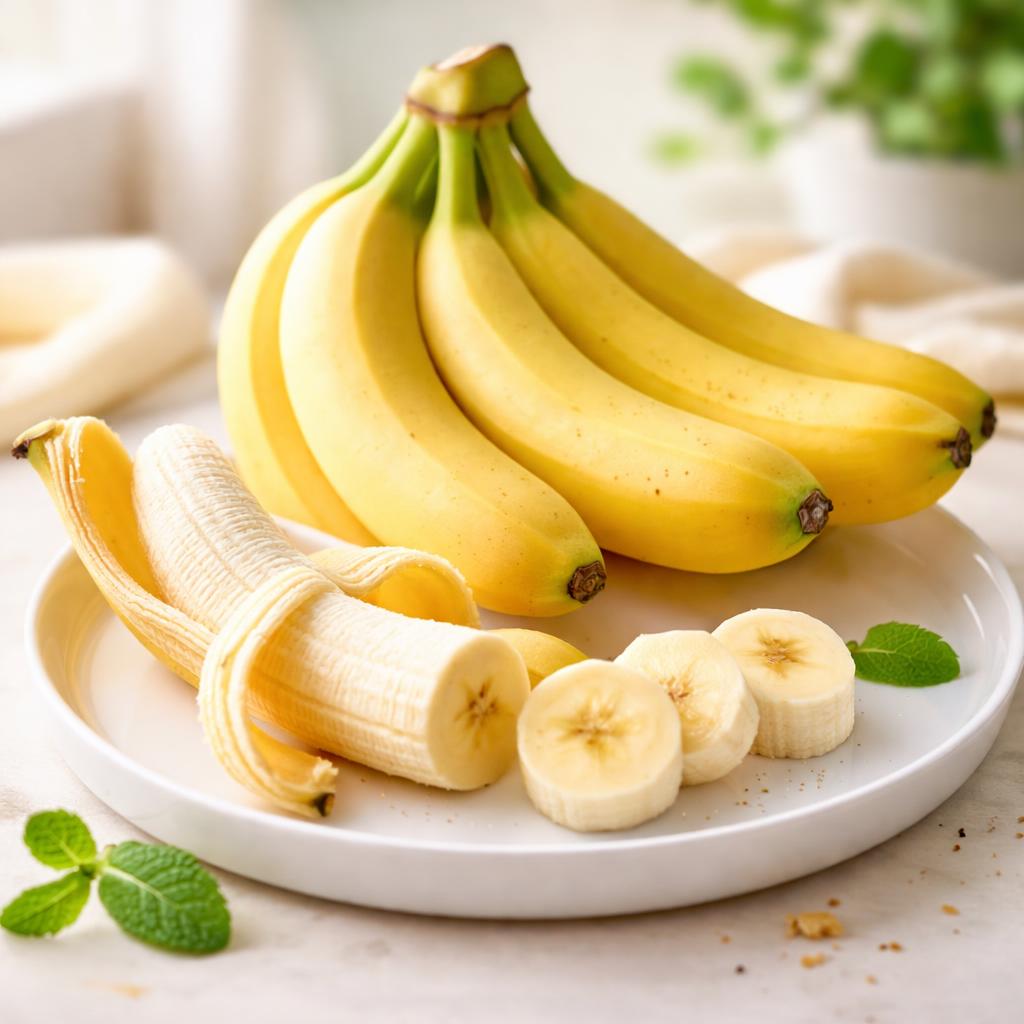
Banana
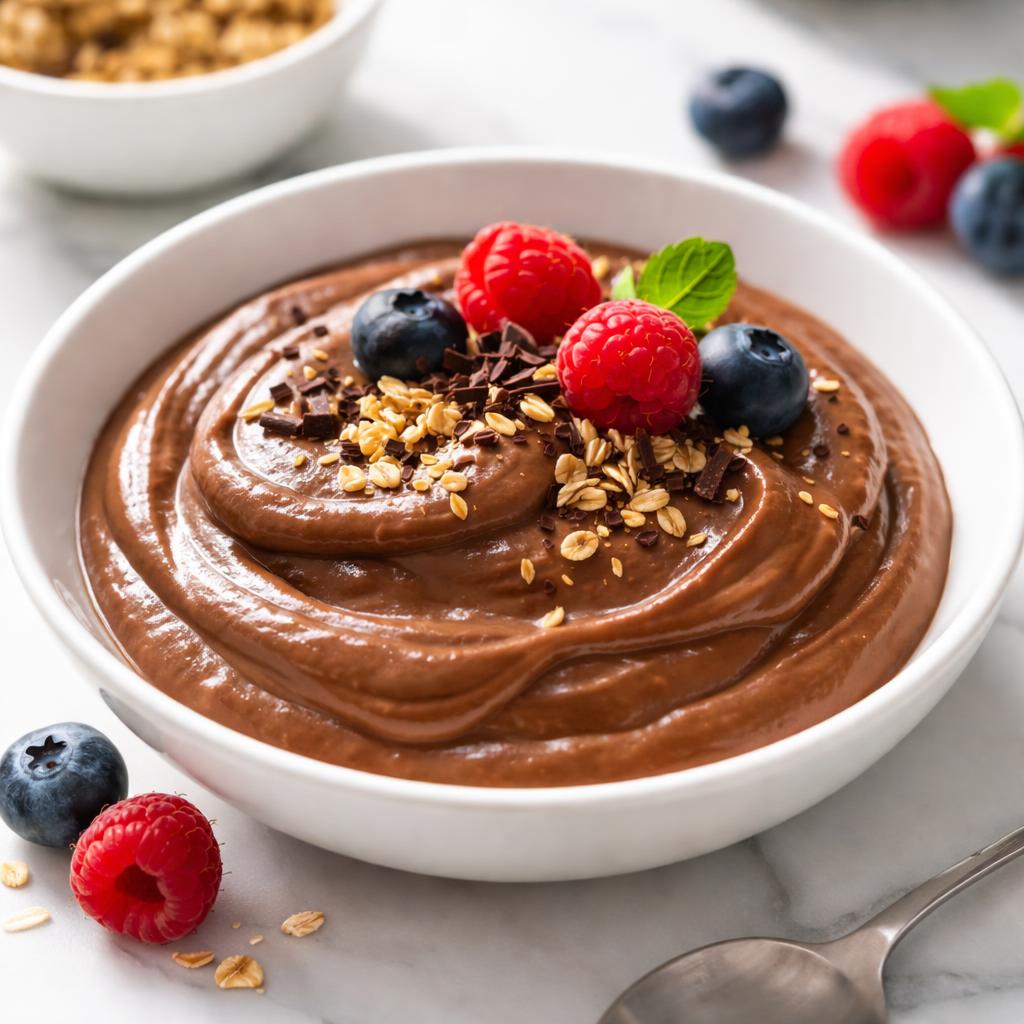
Protein Pudding
🎯 Quick Verdict
Protein pudding is a rich source of protein, making it ideal for muscle recovery, while bananas offer natural sugar and fiber for a quick energy boost. Protein pudding suits high-protein diets, and bananas are a great option for digestible energy and potassium intake.

Smart Nutrition Tracking with SnapCalorie

📊 Nutritional Comparison
Macronutrients
| Nutrient | Food 1 | Food 2 | Winner |
|---|---|---|---|
| Calories | 105 | 100 | − |
| Protein | 1.3g | 15g | − |
| Carbs | 27g | 10g | − |
| Fat | 0.3g | 3g | − |
| Fiber | 3g | 0.5g | − |
Vitamins & Minerals
| Nutrient | Food 1 | Food 2 | Winner |
|---|---|---|---|
| Vitamin C | 10.3mg | 0mg | − |
| Potassium | 422mg | 320mg | − |
| Calcium | 6mg | 160mg | − |
| Iron | 0.31mg | 1mg | − |
🏆 Category Winners
Protein
Protein pudding contains significantly more protein (15g vs 1.3g).
Fiber
Banana provides 6 times more fiber (3g vs 0.5g).
Calories
Both foods are almost equal in calories (105 vs 100).
Vitamins
Bananas excel in Vitamin C and potassium, while protein pudding is richer in calcium and iron.
🥗 Diet Compatibility
Keto
Food 1: Not Compatible
Food 2: Compatible
Protein pudding is low-carb (10g per serving), while bananas are high-carb.
Vegan
Food 1: Compatible
Food 2: Varies
Bananas are vegan; protein pudding depends on the recipe (may contain dairy).
Gluten Free
Food 1: Compatible
Food 2: Compatible
Both are naturally gluten-free.
Paleo
Food 1: Compatible
Food 2: Not Compatible
Bananas are paleo-friendly; protein pudding usually contains processed ingredients.
Low-Carb
Food 1: Not Compatible
Food 2: Compatible
Protein pudding has fewer carbs (10g vs 27g).
💪 Health Benefits Comparison
Food 1 Benefits
- High in potassium to support heart health and muscle function
- Provides natural sugars for quick energy
- Rich in Vitamin C for immune support
- Contains fiber for digestive health
Food 2 Benefits
- Provides 15g of protein for muscle repair and maintenance
- Calcium supports bone health
- Iron aids in oxygen transport and energy production
- Low in carbs, suitable for weight management and keto diets
✅ The Bottom Line
Protein pudding is ideal for high-protein needs, weight management, or low-carb diets, while bananas are great for quick energy and supporting heart health due to their potassium and Vitamin C. Both foods are versatile but suited for different scenarios.
Choose Food 1 for: Pre-workout snack, quick energy, natural fiber source
Choose Food 2 for: Post-workout recovery, low-carb meals, muscle building


