Banana VS Porridge
A detailed nutritional comparison
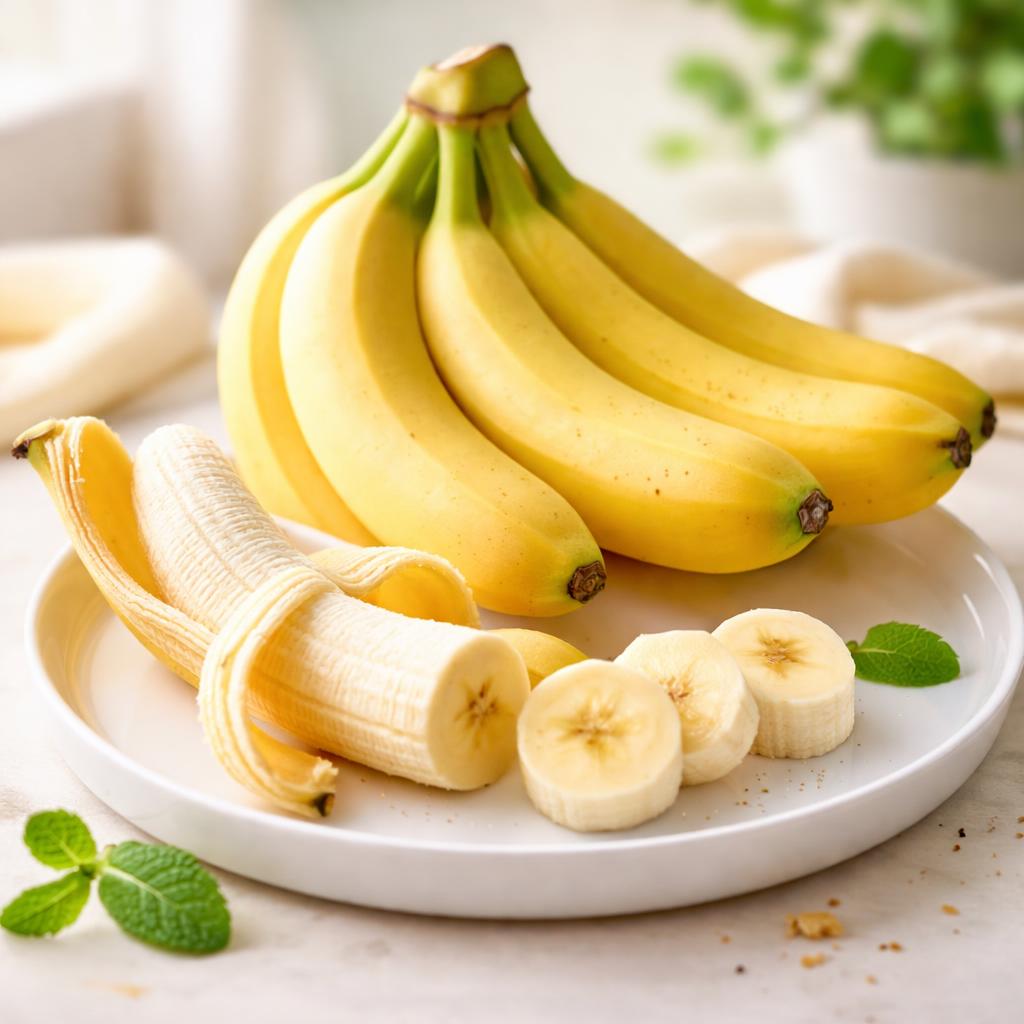
Banana
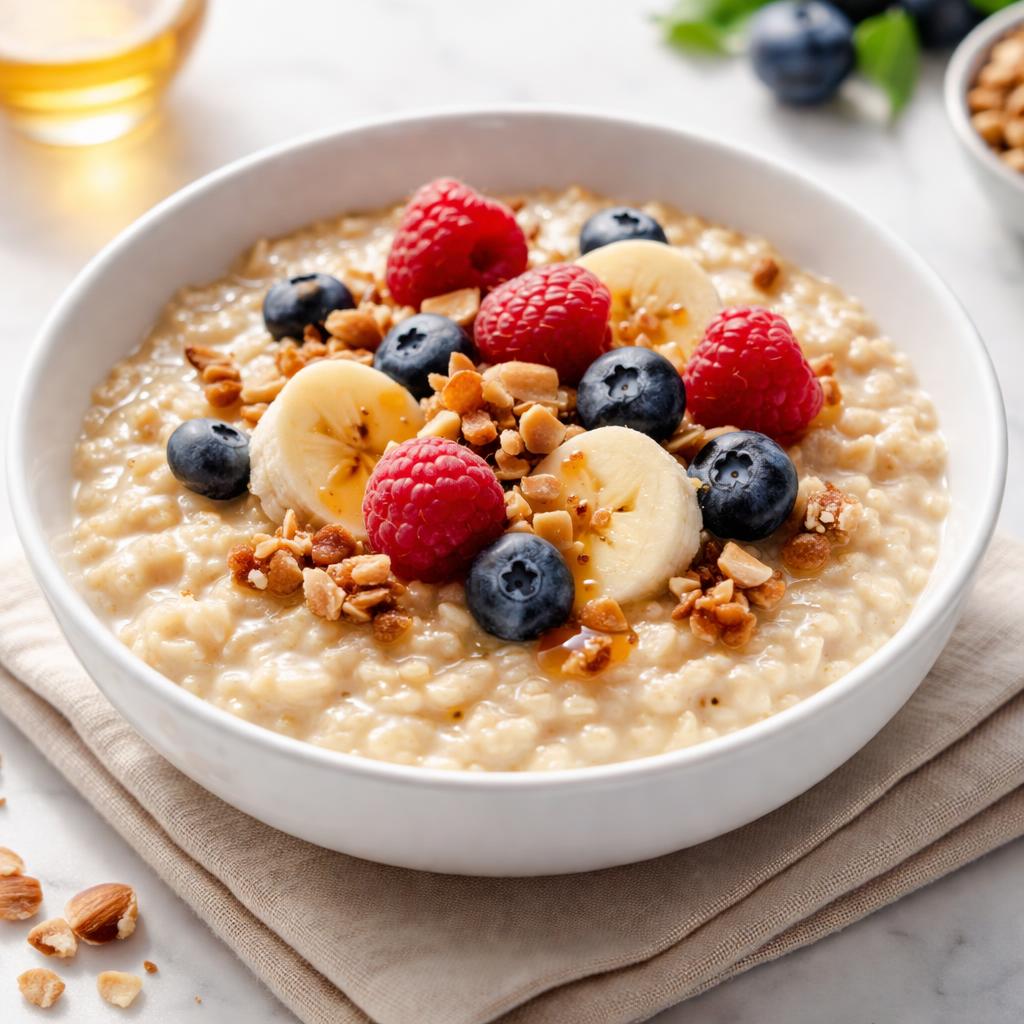
Porridge
🎯 Quick Verdict
Porridge is the more nutrient-dense option overall, offering more protein and fiber than a banana. However, bananas are lower in calories, quicker to eat, and provide immediate energy through natural sugars. Choose porridge for sustained energy and satiety, while bananas are ideal for snacks or quick energy boosts.

Smart Nutrition Tracking with SnapCalorie

📊 Nutritional Comparison
Macronutrients
| Nutrient | Food 1 | Food 2 | Winner |
|---|---|---|---|
| Calories | 105 | 150 | ✓ |
| Protein | 1.3g | 5g | ✓ |
| Carbs | 27g | 28g | ✓ |
| Fat | 0.3g | 3g | ✓ |
| Fiber | 3g | 4g | ✓ |
Vitamins & Minerals
| Nutrient | Food 1 | Food 2 | Winner |
|---|---|---|---|
| Vitamin D | 0mcg | 0mcg | − |
| Calcium | 5mg | 20mg | ✓ |
| Iron | 0.3mg | 1mg | ✓ |
| Potassium | 422mg | 150mg | ✓ |
| Magnesium | 27mg | 85mg | ✓ |
🏆 Category Winners
Protein
Porridge has almost 4 times more protein per serving compared to a banana.
Fiber
Porridge contains approximately 33% more fiber than a banana.
Calories
Bananas have about 30% fewer calories than porridge per serving.
Vitamins
Both offer complementary vitamins: bananas are rich in potassium, while porridge has more calcium and iron.
🥗 Diet Compatibility
Keto
Food 1: Not Compatible
Food 2: Not Compatible
Both are high in carbohydrates, making them unsuitable for keto.
Vegan
Food 1: Compatible
Food 2: Compatible
Both are plant-based foods suitable for vegans.
Gluten Free
Food 1: Compatible
Food 2: Depends
Bananas are naturally gluten-free, but porridge must use certified gluten-free oats for compatibility.
Paleo
Food 1: Compatible
Food 2: Not Compatible
Bananas align with paleo guidelines; oats in porridge do not.
Low Carb
Food 1: Not Compatible
Food 2: Not Compatible
Both foods are high-carb and not suitable for low-carb diets.
💪 Health Benefits Comparison
Food 1 Benefits
- Rich in potassium for heart health and muscle function
- Provides immediate energy from natural sugars
- Contains vitamin C to support immune health
- Helps with digestion due to fiber content
Food 2 Benefits
- High in protein for muscle repair and satiety
- Rich in fiber to promote digestive health and fullness
- Provides essential minerals like magnesium and iron
- Good source of slow-release carbohydrates for sustained energy
✅ The Bottom Line
Choose porridge for a filling, nutrient-dense meal that supports muscle repair, digestion, and sustained energy. Pick a banana for a quick, low-calorie snack that boosts energy and provides potassium. Both have their place depending on your dietary goals and timing.
Choose Food 1 for: Quick on-the-go energy, digestion aid, light calorie option
Choose Food 2 for: Filling meal, muscle recovery, sustained energy


