Banana VS Plantain
A detailed nutritional comparison
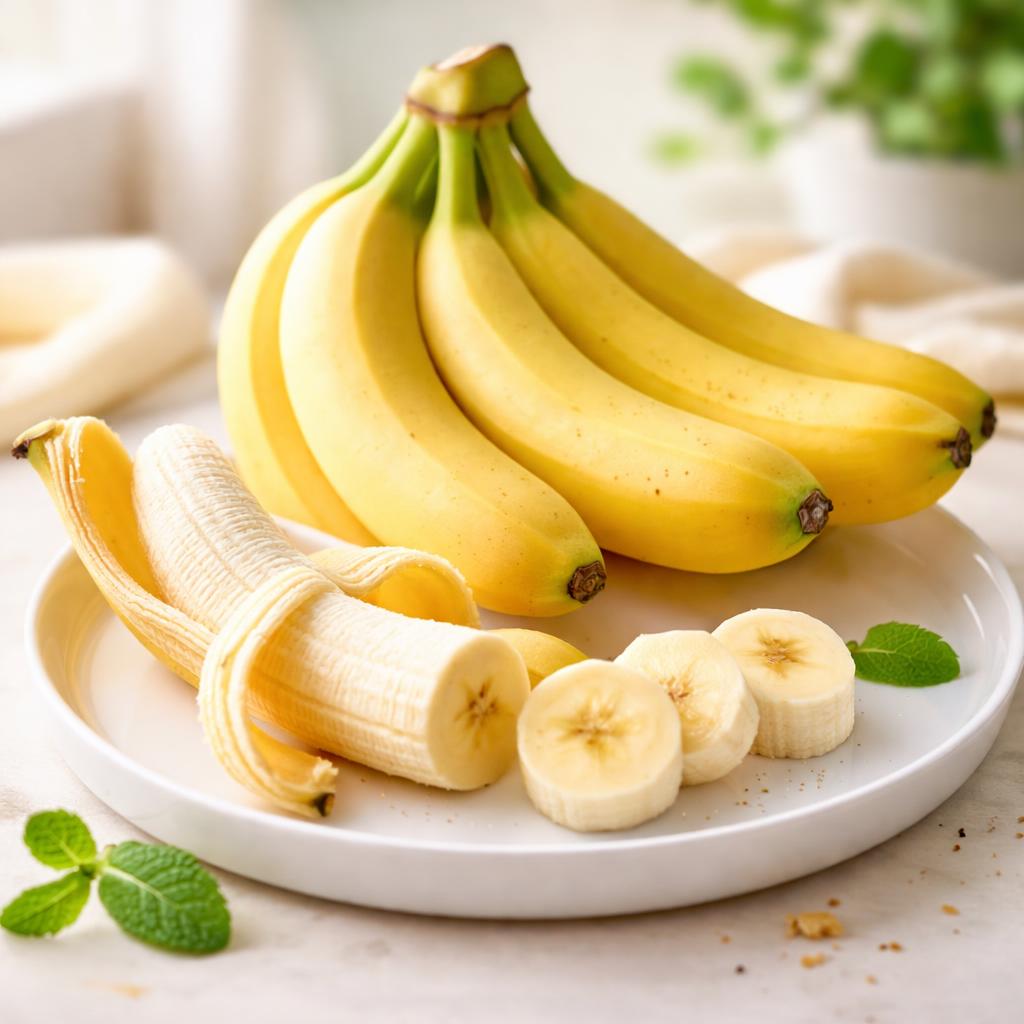
Banana
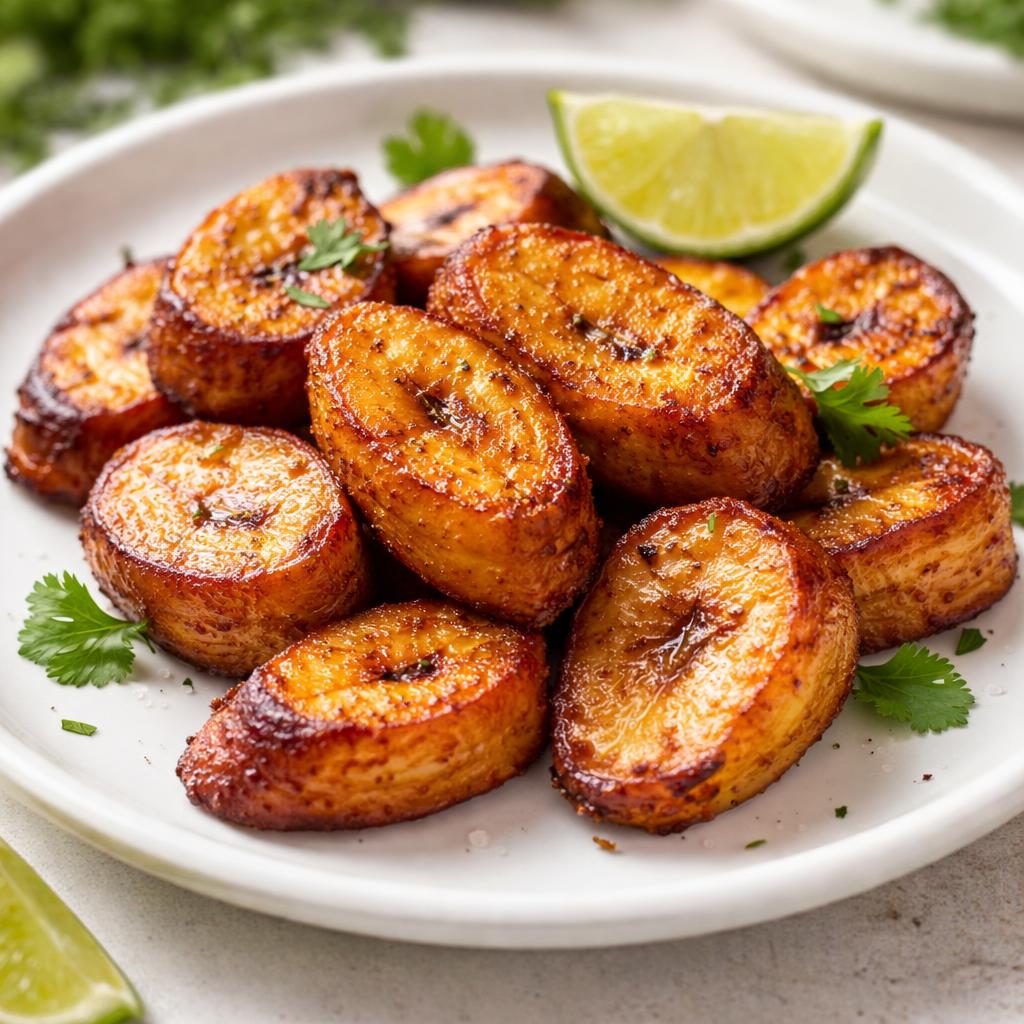
Plantain
🎯 Quick Verdict
Bananas and plantains are similar in many ways but have key differences. Bananas are lower in calories and sweeter, making them ideal for snacking or smoothies, while plantains are higher in fiber and carbohydrates, making them better suited for savory dishes or cooking. Each has unique nutritional advantages depending on dietary goals.

Smart Nutrition Tracking with SnapCalorie

📊 Nutritional Comparison
Macronutrients
| Nutrient | Food 1 | Food 2 | Winner |
|---|---|---|---|
| Calories | 105 | 150 | ✓ |
| Protein | 1.3g | 1.3g | − |
| Carbs | 27g | 36g | ✓ |
| Fat | 0.3g | 0.2g | ✓ |
| Fiber | 3.1g | 4g | ✓ |
Vitamins & Minerals
| Nutrient | Food 1 | Food 2 | Winner |
|---|---|---|---|
| Vitamin C | 10mg | 18mg | ✓ |
| Vitamin A | 76IU | 1127IU | ✓ |
| Potassium | 422mg | 499mg | ✓ |
| Magnesium | 32mg | 37mg | ✓ |
🏆 Category Winners
Protein
Both foods have identical protein content at 1.3g per serving.
Fiber
Plantains contain 29% more fiber than bananas.
Calories
Bananas have 30% fewer calories per serving compared to plantains, making them lower-calorie.
🥗 Diet Compatibility
Keto
Food 1: Not Compatible
Food 2: Not Compatible
Both are high-carb fruits, exceeding keto-friendly carb limits.
Vegan
Food 1: Compatible
Food 2: Compatible
Both are plant-based and fit vegan diets.
Gluten Free
Food 1: Compatible
Food 2: Compatible
Neither food contains gluten.
Paleo
Food 1: Compatible
Food 2: Compatible
Both foods are unprocessed fruits that fit paleo guidelines.
Low Carb
Food 1: Not Compatible
Food 2: Not Compatible
Both are high in carbohydrates and not suitable for low-carb diets.
💪 Health Benefits Comparison
Food 1 Benefits
- Rich in potassium for heart health and muscle function
- Provides natural sugars for quick energy
- Contains antioxidants to combat oxidative stress
- Good source of magnesium for bone health
Food 2 Benefits
- Higher in fiber for digestive health
- Rich in vitamin A for eye and immune health
- Provides complex carbs for sustained energy
- Good source of vitamin C for immune support and antioxidant benefits
✅ The Bottom Line
Bananas and plantains are versatile fruits with different uses. Choose bananas for a lower-calorie, sweeter option ideal for snacks or smoothies. Opt for plantains when you need a higher-fiber, complex-carb addition to savory dishes or cooking. Both are nutrient-dense and valuable to a balanced diet.
Choose Food 1 for: Quick snacks, smoothies, weight loss, potassium boost
Choose Food 2 for: Cooking, sustained energy, fiber-rich diets, vitamin A boost


