Banana VS Orange
A detailed nutritional comparison
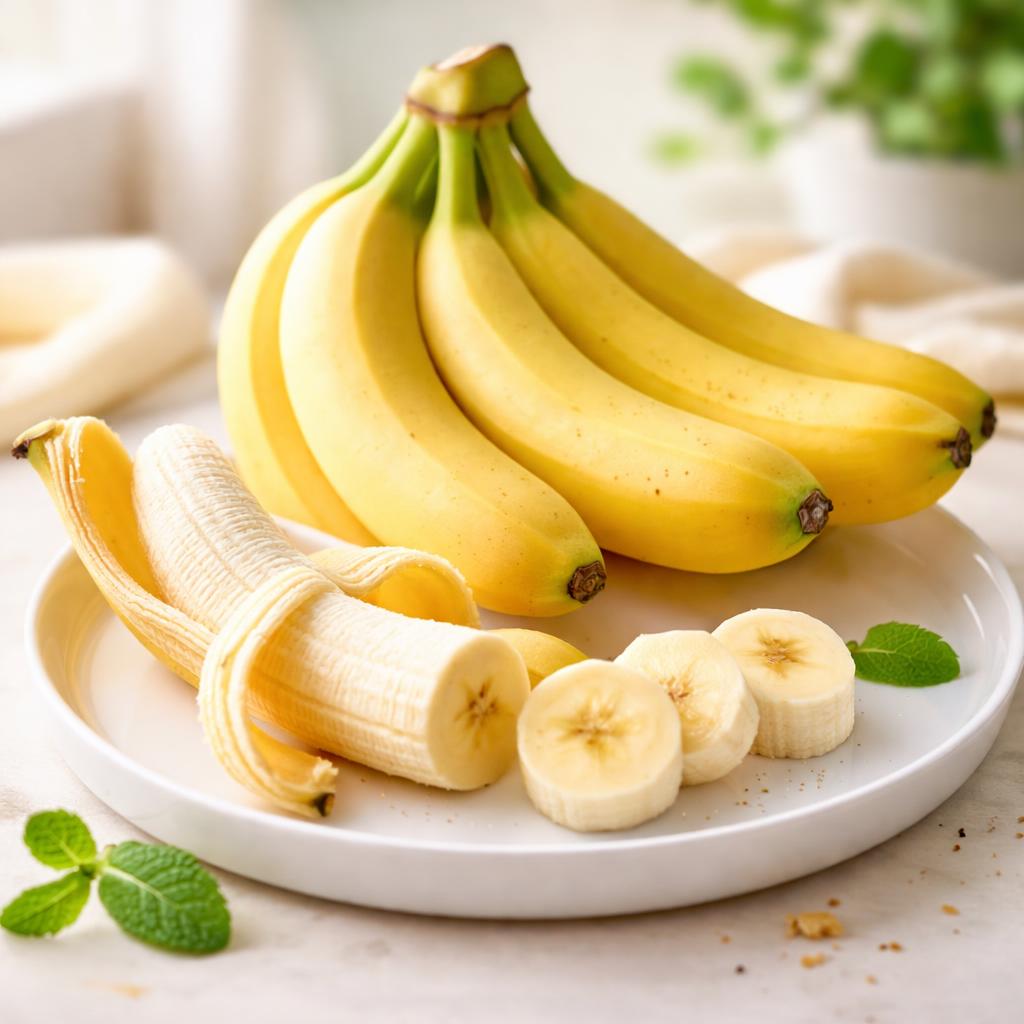
Banana
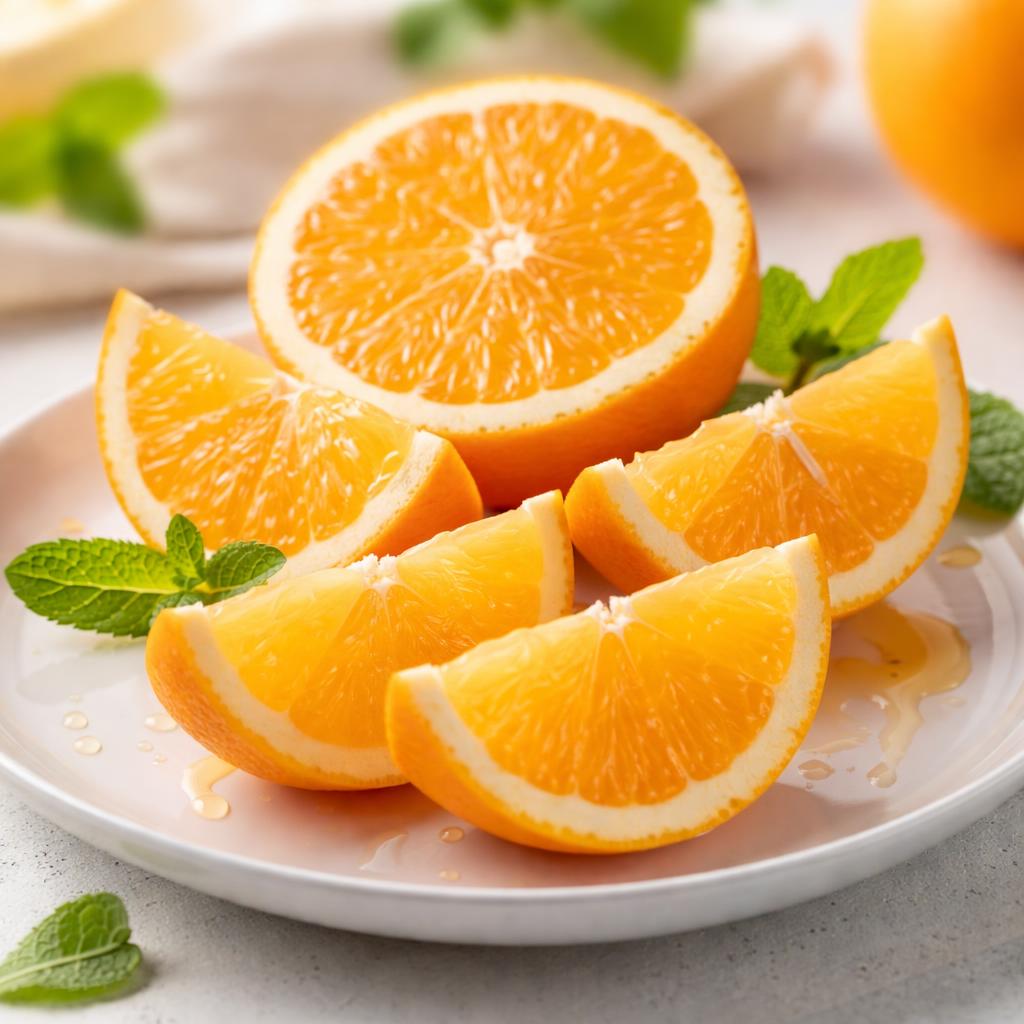
Orange
🎯 Quick Verdict
Bananas and oranges are both nutrient-rich fruits with different strengths. Bananas contain more fiber and calories, making them ideal for energy and digestion. Oranges have fewer calories and higher vitamin C, which supports immunity. They suit different dietary needs based on your goals like weight management or vitamin intake.

Smart Nutrition Tracking with SnapCalorie

📊 Nutritional Comparison
Macronutrients
| Nutrient | Food 1 | Food 2 | Winner |
|---|---|---|---|
| Calories | 105 | 62 | ✓ |
| Protein | 1.3g | 1.2g | − |
| Carbs | 27g | 15g | ✓ |
| Fat | 0.3g | 0.2g | ✓ |
| Fiber | 3.1g | 2.4g | ✓ |
Vitamins & Minerals
| Nutrient | Food 1 | Food 2 | Winner |
|---|---|---|---|
| Vitamin C | 10mg | 70mg | ✓ |
| Potassium | 422mg | 237mg | ✓ |
| Vitamin A | 76IU | 225IU | ✓ |
| Folate | 23mcg | 40mcg | ✓ |
🏆 Category Winners
Protein
Both foods contain nearly identical protein amounts per serving.
Fiber
Bananas provide 29% more fiber, aiding digestion.
Calories
Oranges have significantly fewer calories, suitable for weight management.
Vitamins
Oranges are much higher in vitamin C and folate for immunity and cell health.
🥗 Diet Compatibility
Keto
Food 1: Not Compatible
Food 2: Not Compatible
Both are high-carb fruits.
Vegan
Food 1: Compatible
Food 2: Compatible
Both are plant-based and vegan-friendly.
Gluten Free
Food 1: Compatible
Food 2: Compatible
Neither contains gluten.
Paleo
Food 1: Compatible
Food 2: Compatible
Both are whole, natural fruits favored in paleo diets.
Low Carb
Food 1: Not Compatible
Food 2: Not Compatible
Both are too high in carbs to suit low-carb diets.
💪 Health Benefits Comparison
Food 1 Benefits
- High potassium content supports heart health and muscle function.
- Good source of fiber for improved digestion and gut health.
- Provides a quick energy boost due to natural sugars and carbs.
Food 2 Benefits
- Rich in vitamin C to support a strong immune system.
- Low in calories, aiding weight management and portion control.
- Contains antioxidants like flavonoids that may reduce inflammation.
✅ The Bottom Line
Choose bananas for sustained energy, high potassium levels, and superior fiber content. Opt for oranges if you need low-calorie refreshment and immunity-boosting vitamin C. Both fruits complement a balanced diet, but their uses will depend on specific nutritional goals.
Choose Food 1 for: Post-workout energy, digestion support, potassium replenishment
Choose Food 2 for: Weight management, immune health, refreshing hydration


