Banana VS Melted Cheese
A detailed nutritional comparison
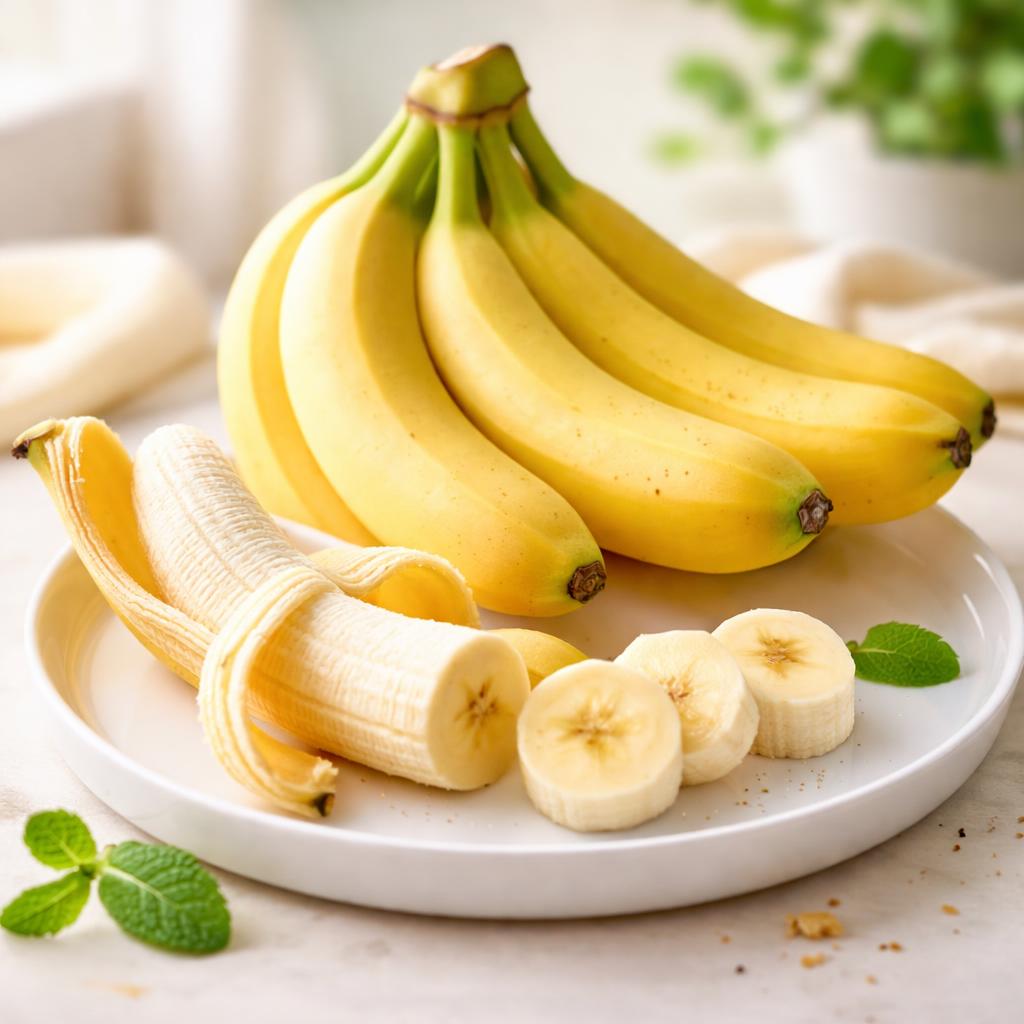
Banana
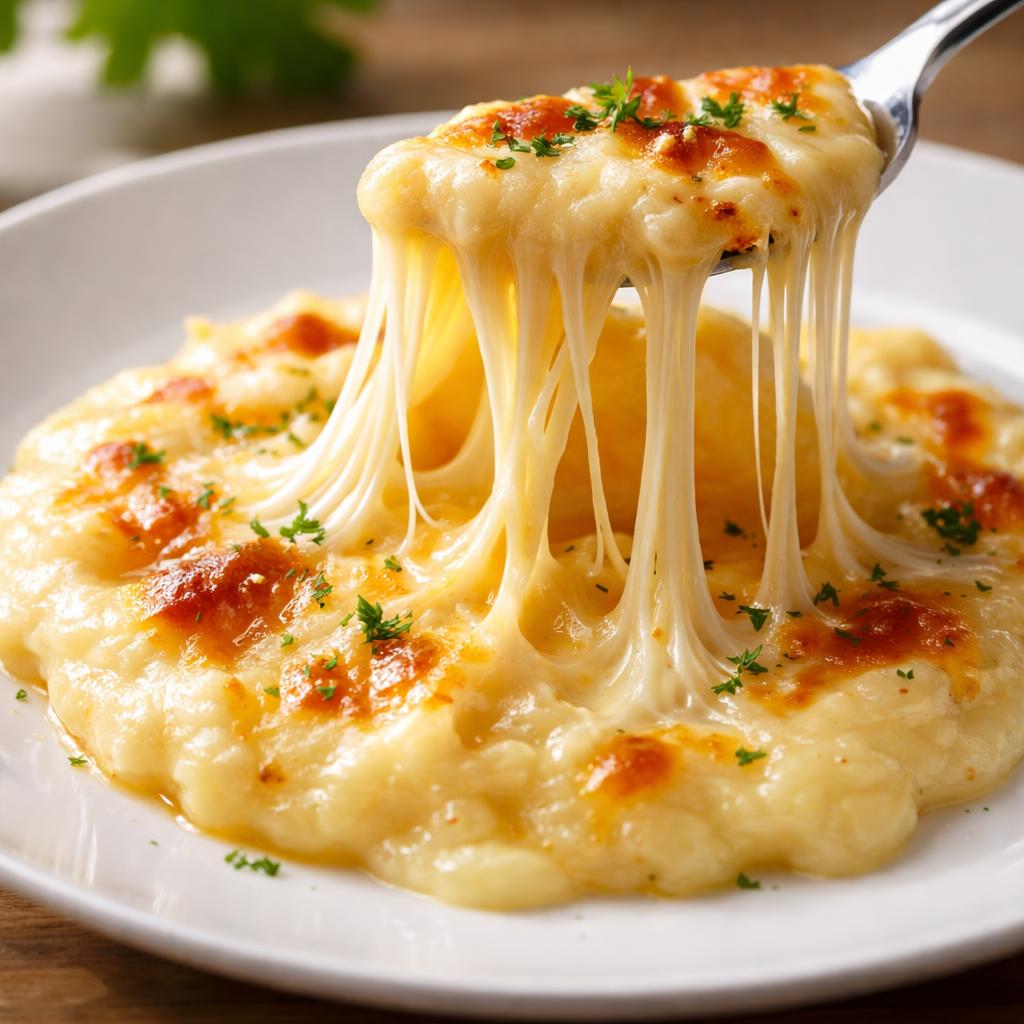
Melted Cheese
🎯 Quick Verdict
Banana and melted cheese serve very different nutritional roles. Banana is high in fiber, potassium, and lower in calories, making it ideal for energy and digestion. Melted cheese is significantly higher in protein and fat, providing a calorie-dense option rich in calcium for bone health and energy. Choose based on dietary goals: light snacking vs a protein-rich boost.

Smart Nutrition Tracking with SnapCalorie

📊 Nutritional Comparison
Macronutrients
| Nutrient | Food 1 | Food 2 | Winner |
|---|---|---|---|
| Calories | 105 | 215 | ✓ |
| Protein | 1.3g | 12g | ✓ |
| Carbs | 27g | 2g | ✓ |
| Fat | 0.3g | 18g | ✓ |
| Fiber | 3.1g | 0g | ✓ |
Vitamins & Minerals
| Nutrient | Food 1 | Food 2 | Winner |
|---|---|---|---|
| Vitamin D | 0mcg | 0.6mcg | ✓ |
| Calcium | 5mg | 200mg | ✓ |
| Potassium | 422mg | 37mg | ✓ |
| Vitamin C | 10.3mg | 0mg | ✓ |
🏆 Category Winners
Protein
Melted cheese contains over 9 times the protein of banana.
Fiber
Banana provides over 3g of fiber, while melted cheese has none.
Calories
Banana has less than half the calories of melted cheese.
Vitamins
Both foods excel in different vitamins: banana is rich in Vitamin C and potassium, while melted cheese is higher in calcium and Vitamin D.
🥗 Diet Compatibility
Keto
Food 1: Not Compatible
Food 2: Compatible
Melted cheese is low-carb and high-fat, while banana is high-carb.
Vegan
Food 1: Compatible
Food 2: Not Compatible
Banana is plant-based, whereas cheese is derived from milk.
Gluten Free
Food 1: Compatible
Food 2: Compatible
Neither food contains gluten.
Paleo
Food 1: Compatible
Food 2: Not Compatible
Bananas are naturally paleo-friendly, but cheese is processed.
Low-Carb
Food 1: Not Compatible
Food 2: Compatible
Banana has 27g of carbs compared to cheese’s 2g.
💪 Health Benefits Comparison
Food 1 Benefits
- High in potassium for heart and muscle function
- Good source of dietary fiber for digestion
- Rich in Vitamin C to support immunity and skin health
Food 2 Benefits
- Excellent source of protein for muscle building
- Rich in calcium for bone and dental health
- Provides healthy fats for sustained energy and cell function
✅ The Bottom Line
Choose banana if you need a quick energy boost, extra fiber, or a nutrient-dense snack with a focus on digestion and hydration. Opt for melted cheese when you want a protein-rich, high-fat option to support muscle maintenance or pair with a low-carb diet. Both can be incorporated based on health goals.
Choose Food 1 for: Light snack, digestion support, energy boost
Choose Food 2 for: Protein-rich meals, keto diets, bone health


