Banana VS Hazelnut
A detailed nutritional comparison
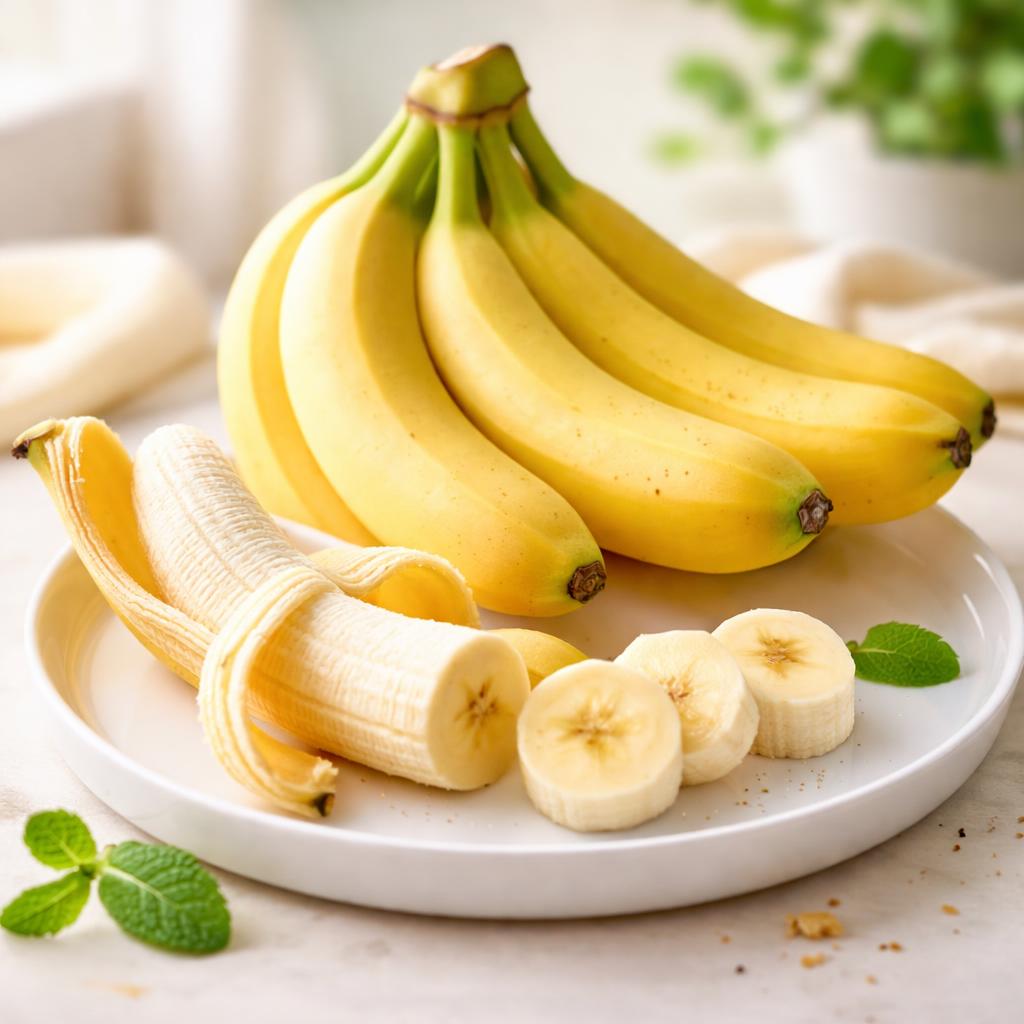
Banana
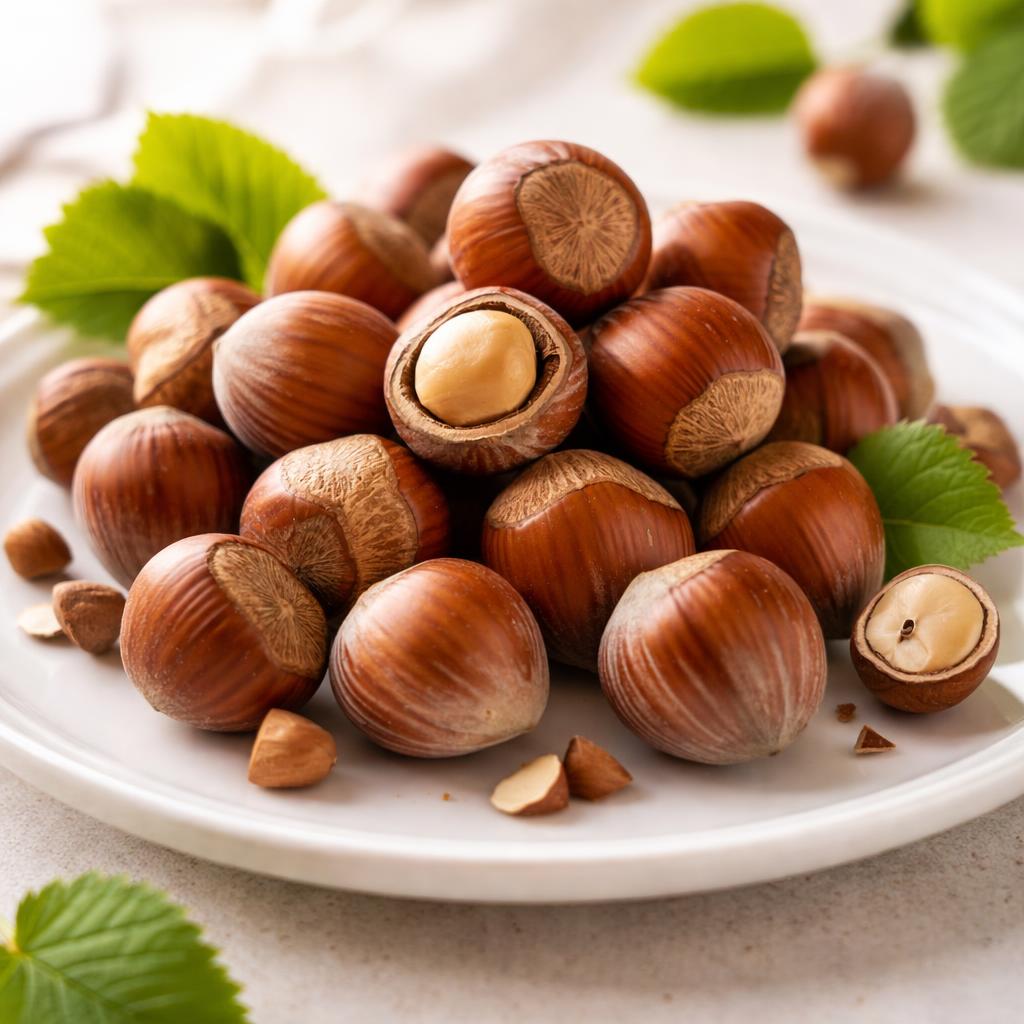
Hazelnut
🎯 Quick Verdict
Bananas are lower in calories and provide a good source of carbs for quick energy, while hazelnuts are nutrient-dense and offer higher protein, fiber, and healthy fats suitable for sustained energy. Bananas are ideal for pre-workout snacks, and hazelnuts are better for heart health and as a filling addition to meals or snacks.

Smart Nutrition Tracking with SnapCalorie

📊 Nutritional Comparison
Macronutrients
| Nutrient | Food 1 | Food 2 | Winner |
|---|---|---|---|
| Calories | 105 | 176 | ✓ |
| Protein | 1.3g | 4.2g | ✓ |
| Carbs | 27g | 4.7g | ✓ |
| Fat | 0.3g | 17g | ✓ |
| Fiber | 3.1g | 2.7g | ✓ |
Vitamins & Minerals
| Nutrient | Food 1 | Food 2 | Winner |
|---|---|---|---|
| Vitamin C | 10.3mg | 1.8mg | ✓ |
| Vitamin B6 | 0.4mg | 0.6mg | ✓ |
| Vitamin E | 0.1mg | 4.3mg | ✓ |
| Magnesium | 32mg | 46mg | ✓ |
| Potassium | 422mg | 755mg | ✓ |
🏆 Category Winners
Protein
Hazelnuts contain over 3x more protein than bananas per serving.
Fiber
Bananas slightly edge out hazelnuts in fiber content with 3.1g vs 2.7g.
Calories
Bananas are significantly lower in calories compared to hazelnuts.
Vitamins
Hazelnuts are a better source of vitamins like E and B6, as well as minerals like potassium and magnesium.
🥗 Diet Compatibility
Keto
Food 1: Not Compatible
Food 2: Compatible
Hazelnuts are low-carb (4.7g per serving) while bananas are high in carbohydrates (27g per serving).
Vegan
Food 1: Compatible
Food 2: Compatible
Both foods are plant-based.
Gluten Free
Food 1: Compatible
Food 2: Compatible
Neither contains gluten.
Paleo
Food 1: Compatible
Food 2: Compatible
Both are minimally processed and paleo-friendly.
Low-Carb
Food 1: Not Compatible
Food 2: Compatible
Hazelnuts are low in carbohydrates, whereas bananas are high in carbs.
💪 Health Benefits Comparison
Food 1 Benefits
- Excellent source of quick energy due to high carbohydrate content
- Rich in vitamin C to support immune health
- Contains potassium to help regulate blood pressure
Food 2 Benefits
- High in healthy fats for heart health
- Good source of protein for muscle maintenance
- Rich in magnesium to support bone and nerve health
- Contains vitamin E, which supports skin health
✅ The Bottom Line
Bananas are a great choice for quick energy, especially during or before exercise. Hazelnuts, on the other hand, are a nutrient-dense snack ideal for heart health and sustained energy due to their healthy fat and protein content.
Choose Food 1 for: Pre-workout snacks, quick energy boost, potassium support
Choose Food 2 for: Heart health, nutrient density, low-carb diets


