Banana VS Fairlife
A detailed nutritional comparison
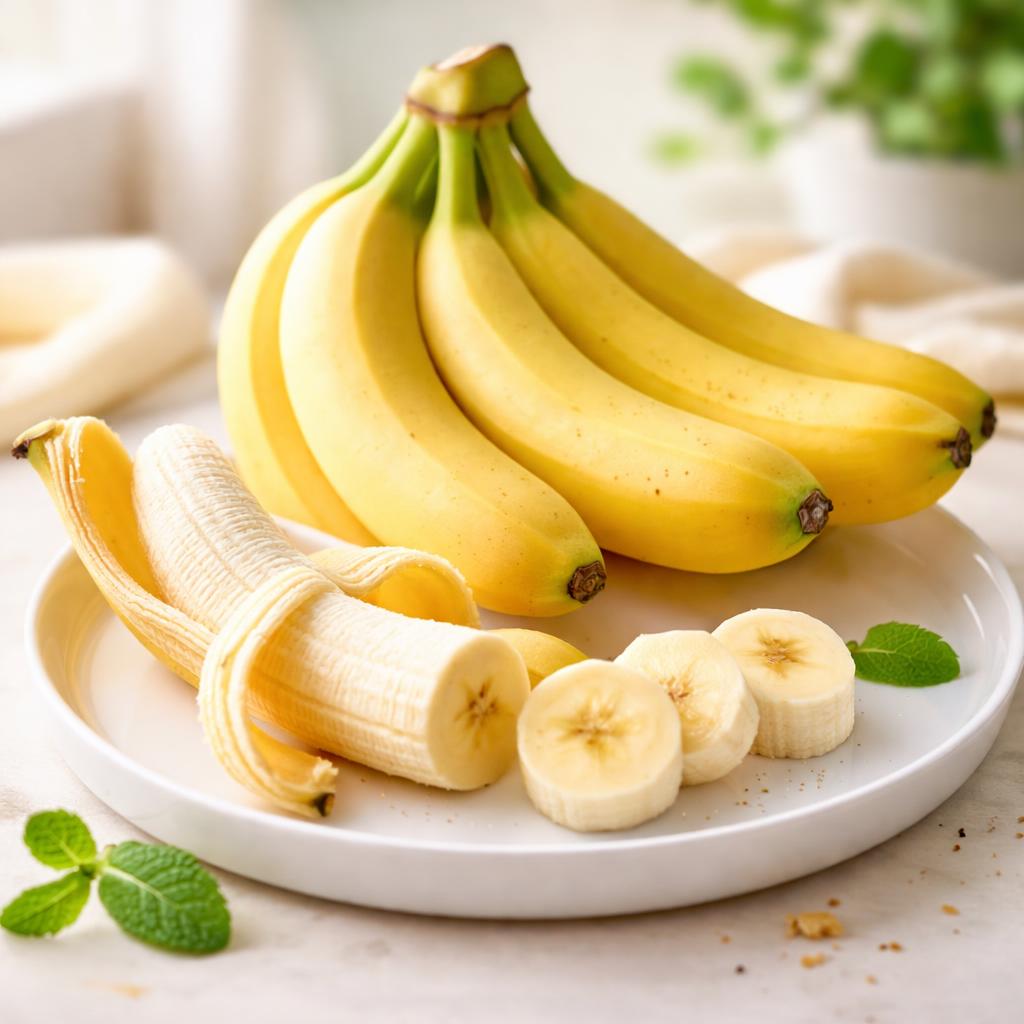
Banana
Fairlife
🎯 Quick Verdict
Fairlife is a protein-rich, nutrient-dense milk product, while bananas are a fiber-packed, carb-rich fruit ideal for quick energy. Fairlife is better for muscle recovery or protein-focused diets, whereas bananas are excellent for digestion and sustained energy during physical activities.

Smart Nutrition Tracking with SnapCalorie

📊 Nutritional Comparison
Macronutrients
| Nutrient | Food 1 | Food 2 | Winner |
|---|---|---|---|
| Calories | 105 | 110 | − |
| Protein | 1.3g | 13g | − |
| Carbs | 27g | 6g | − |
| Fat | 0.3g | 2.5g | − |
| Fiber | 3.1g | 0g | − |
Vitamins & Minerals
| Nutrient | Food 1 | Food 2 | Winner |
|---|---|---|---|
| Vitamin D | 0mcg | 5mcg | − |
| Calcium | 6mg | 400mg | − |
| Potassium | 422mg | 350mg | − |
| Vitamin C | 10.3mg | 0mg | − |
🏆 Category Winners
Protein
Fairlife provides 10x more protein per serving than a banana.
Fiber
Banana has 3.1g of fiber compared to 0g in fairlife.
Calories
Both foods are very close in calorie count, with no significant difference.
Vitamins
Fairlife provides higher amounts of calcium and vitamin D, while bananas excel in potassium and vitamin C.
🥗 Diet Compatibility
Keto
Food 1: Not Compatible
Food 2: Compatible
Banana has high carbohydrate content (27g per serving), whereas fairlife is low-carb (6g per serving).
Vegan
Food 1: Compatible
Food 2: Not Compatible
Bananas are naturally plant-based, while fairlife is a dairy product.
Gluten Free
Food 1: Compatible
Food 2: Compatible
Neither contains gluten, making them both safe for gluten-free diets.
Paleo
Food 1: Compatible
Food 2: Not Compatible
Banana aligns with paleo principles as a natural whole food, while fairlife is a processed dairy product.
Low-Carb
Food 1: Not Compatible
Food 2: Compatible
Fairlife is low-carb with only 6g of carbs per serving, compared to 27g in banana.
💪 Health Benefits Comparison
Food 1 Benefits
- High in fiber for improved digestion
- Rich in potassium for heart and muscle health
- Contains natural sugars for quick energy
- Packed with vitamin C for immune support
Food 2 Benefits
- Excellent source of protein for muscle recovery
- Fortified with calcium for strong bones
- Contains vitamin D for bone and immune health
- Low in carbs and suitable for keto-friendly diets
✅ The Bottom Line
Choose fairlife if you're aiming for high protein intake, muscle recovery, or a low-carb option. Pick bananas for quick energy, better digestion, and a natural snack. Both foods have distinct roles based on your dietary goals.
Choose Food 1 for: Quick energy, digestion support, immune health
Choose Food 2 for: Muscle recovery, low-carb diets, bone health


